
Luxury Dual Diagnosis Treatment Center for Professionals in Cincinnati, Ohio
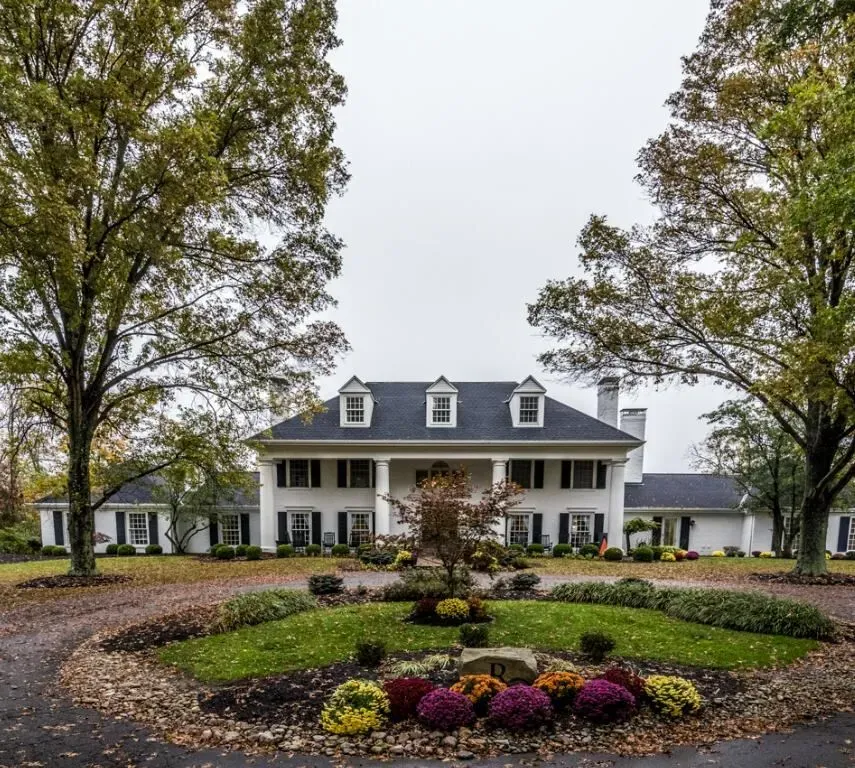
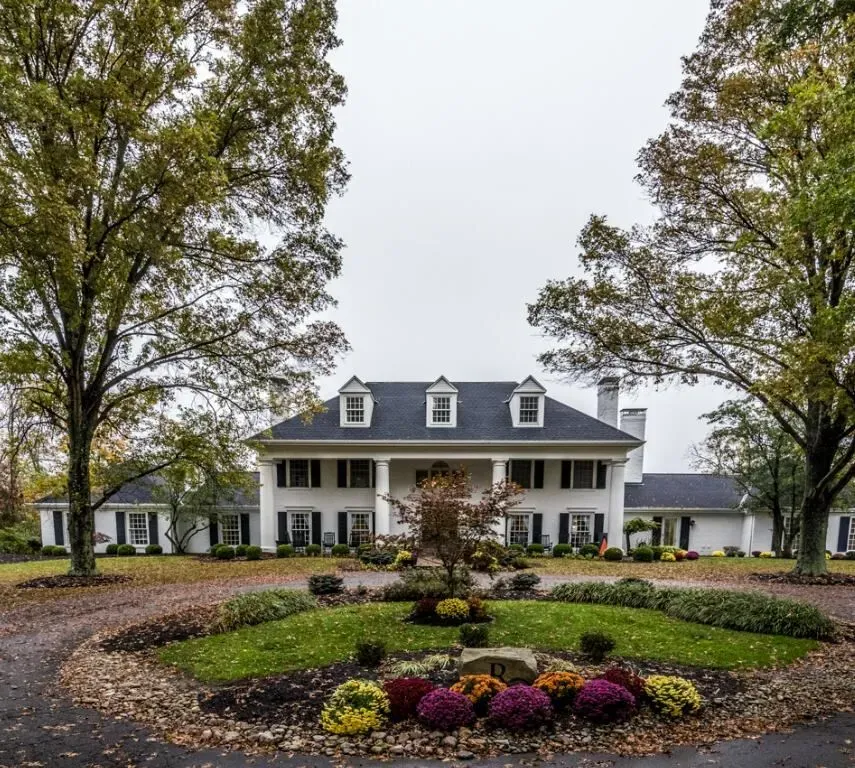
Integrated psychiatric care alongside substance use treatment. Joint Commission–accredited private residential treatment on a private 51-acre estate, twenty minutes east of Cincinnati. Physician-led, 24/7 nursing, full continuum of care.


Tour Our Luxury Cincinnati Dual Diagnosis Treatment Center

Co-Occurring Conditions We Treat Alongside Substance Use
Substance use disorder is always the primary diagnosis at The Ridge. For clients who also live with these conditions, integrated psychiatric care is part of the treatment plan.






What Dual Diagnosis Treatment Actually Involves
From the first intake assessment through discharge and step-down care, psychiatric and addiction treatment stay integrated at every stage — here’s what that looks like in practice.
Clinical assessment
At intake, the clinical team evaluates substance use and mental health together, including medications and any prior diagnoses.
Integrated psychiatric care
A psychiatrist joins the clinical team from day one — medication review, adjustments, and coordination with outside providers where needed.
Individual therapy
CBT, DBT, and Motivational Interviewing — chosen for their evidence base in treating both addiction and co-occurring conditions.
Group therapy and trauma work
Daily group sessions address substance use, emotional regulation, and trauma, with specialized groups for clients with identified histories.
Family programming
Family members participate through educational sessions, family therapy, and coordinated discharge planning — part of the clinical model, not a sidebar.
Step-down and aftercare
Dual diagnosis care continues through PHP, IOP, and outpatient. Psychiatric coordination holds through every level of step-down.
When We Recommend a Different Level of Care
The Ridge is built for substance use disorder treatment with integrated psychiatric care. Some mental health needs are more acute than this program is designed to safely meet.
Conditions beyond our level of care
If you or a family member is dealing with acute psychiatric symptoms, the most helpful thing we can do is be honest about it. We’ll complete an assessment, talk through what’s needed, and refer you to a provider built for the right level of care. Calling and finding out is still worth it — even if we’re not the right fit.
- Active suicidal ideation requiring crisis-level support
- Schizophrenia and other psychotic disorders
- Severe or unstable personality disorders
- Active psychosis or acute mental health crises
Signs You May Have a Co-Occurring Condition
Some patterns suggest that drinking and a mental health condition are reinforcing each other. If a few of these sound familiar, it’s worth a conversation.
-
Drinking to take the edge offYou reach for a drink when anxiety, low mood, or difficult memories get loud — not just socially or to unwind.
-
Symptoms feel worse the next dayAnxiety, depression, or sleep problems intensify the morning after heavy drinking, then settle when you drink again.
-
Quitting on your own hasn’t workedYou’ve gone weeks or months without drinking, but the underlying mood, anxiety, or trauma symptoms didn’t go with it.
-
Past treatment didn’t address bothEither substance use or mental health was treated alone, and the other condition came back to drive a relapse.
-
You can’t separate the two anymoreIt’s hard to tell which symptoms come from drinking and which come from something underneath it that started earlier.
-
People close to you have raised bothFamily, partners, or a therapist have brought up both your drinking and your mental health in the same conversation.
Not sure if this is the right time?
Confidential. No obligation. Most PPO insurance plans accepted.

“The Ridge provided an excellent setting for the recovery of a loved one. All of the staff was highly professional and the chef even catered to a vegetarian diet. I can’t say enough about the importance the Ridge played in my loved one’s recovery!”

“The medical and clinical staff are extremely knowledgeable, professional and attentive. They truly care about their clients and their families.”

“I made valuable connections there that I will keep in the years to come; in just 30 days, I made lasting friendships with the people in my group.”

“Wonderful place for treatment! I really like the one year of aftercare. The family sessions were very helpful and I really appreciate their support during a tough time.”
“The Ridge for me was life changing. I was very nervous entering rehab and I had absolutely no clue what to expect. The place is completely magical.”