I Drink A Lot. Can I Just Quit Drinking Safely?

Can I Just Quit Drinking if I Drink a Lot?

It depends on how much you drink and whether your body has become physically dependent on alcohol. For most people who drink too much but have not developed physical dependence, stopping abruptly is safe. For people who are physically dependent on alcohol — meaning their body requires alcohol to function normally — stopping suddenly can be dangerous, and in severe cases, life-threatening.

The critical question is not how much you drink in a single sitting, but whether your body has adapted to the constant presence of alcohol to the point that removing it triggers a medical reaction. That determination is what guides whether you need medical supervision to stop.

How Do You Know if You Are Physically Dependent on Alcohol?

Physical dependence on alcohol — sometimes called alcohol use disorder — is characterized by the body’s need to have alcohol present to maintain normal functioning. The clearest indicators are withdrawal symptoms that appear when drinking stops or is reduced.

You are likely physically dependent on alcohol if you experience any of the following when you go without drinking for 12–24 hours:

  • Hand tremors (the “shakes”)
  • Sweating, particularly at night or in the morning
  • Anxiety or agitation disproportionate to circumstances
  • Racing heart or heart palpitations
  • Nausea or vomiting
  • Difficulty sleeping
  • Body twitches or involuntary movements

If you have to drink in the morning to stop shaking, or if you feel sick when you go a day without drinking, you are physically dependent on alcohol. Stopping without medical supervision is not safe.

What Are the Risks of Quitting Alcohol Cold Turkey?

For heavy, physically dependent drinkers, abrupt cessation of alcohol can trigger a spectrum of withdrawal syndromes ranging from mild discomfort to life-threatening medical emergencies.

Alcohol Withdrawal Syndrome (AWS) typically begins within 6–24 hours of the last drink and peaks around 24–72 hours. Mild to moderate symptoms include anxiety, tremors, sweating, and insomnia. These are uncomfortable but not immediately dangerous for most people.

Delirium Tremens (DTs) is the most severe form of alcohol withdrawal and a true medical emergency. DTs typically develop 48–96 hours after the last drink and can include confusion, fever, rapid heart rate, hallucinations, and seizures. DTs carry a mortality risk of up to 15% when untreated. With proper medical management, the fatality rate drops to below 1%.

Seizures can occur with or without DTs, typically within the first 24–48 hours of cessation. Alcohol withdrawal seizures are a medical emergency and can occur even in people who have no prior history of seizures.

The important reality: alcohol withdrawal is one of the only substance withdrawals that can directly cause death. Opioid withdrawal is agonizing but rarely fatal on its own. Alcohol withdrawal can kill. This is why medical supervision during alcohol detox is not optional for high-risk individuals.

Who Is at High Risk for Dangerous Alcohol Withdrawal?

Certain factors significantly increase the risk of severe or complicated alcohol withdrawal:

  1. History of DTs — if you have experienced delirium tremens in the past, you are at elevated risk for DTs again
  2. History of alcohol withdrawal seizures — prior seizures are the single strongest predictor of future seizures
  3. Chronic, heavy daily drinking for weeks or months without a break — especially consuming 13+ standard drinks per day for a month or longer
  4. Needing alcohol first thing in the morning to prevent tremors or illness
  5. Concurrent medical conditions — liver disease, heart disease, or nutritional deficiencies (particularly thiamine/B1 deficiency) increase risk
  6. Older age — withdrawal tends to be more severe in older drinkers

As a general clinical guideline, someone who drinks approximately 13 standard drinks per day for a month has roughly a 50% chance of experiencing major, life-threatening withdrawal. If you fall into any of these categories, do not attempt to stop drinking without consulting a medical professional first.

What Happens During Medical Alcohol Detox?

Medical detox involves physician-supervised management of alcohol withdrawal in a clinical setting. At facilities like The Ridge Ohio in Milford, the process includes:

  • Intake assessment — checking vital signs, administering a breathalyzer, taking a brief medical history, and completing a CIWA-Ar (Clinical Institute Withdrawal Assessment for Alcohol, Revised) — a standardized 10-point scale that evaluates withdrawal severity and predicts risk level
  • Medication management — benzodiazepines (such as Librium or Valium) are the standard of care for preventing and treating severe withdrawal symptoms. They reduce seizure risk and the likelihood of DTs
  • Monitoring — vital signs, mental status, and withdrawal symptom scores are tracked on a regular schedule throughout detox
  • Nutritional support — thiamine (vitamin B1) supplementation is standard in alcohol detox to prevent Wernicke’s encephalopathy, a serious neurological complication of alcohol-related nutritional deficiency

Most patients with mild to moderate withdrawal can be safely managed as outpatients with medication. Patients at high risk — particularly those with a history of DTs or seizures — are treated in inpatient settings where 24/7 monitoring is available.

What Happens to Your Body When You Stop Drinking?

For those who successfully move through the withdrawal phase, stopping alcohol produces a progressive series of positive physical and cognitive changes:

  • 24 hours: Withdrawal symptoms may begin in dependent drinkers. For non-dependent drinkers, the body starts processing residual alcohol and blood pressure begins to normalize.
  • 1 week: Physical withdrawal symptoms typically resolve for most people. Sleep improves, energy begins returning, and the liver starts to recover.
  • 2–4 weeks: Blood pressure stabilizes, liver enzymes start to normalize, and mood typically improves as brain chemistry begins to rebalance.
  • 3 months: Liver function continues improving, cognitive function — particularly memory and executive function — begins to recover, and most people notice significant improvements in energy, mood, and sleep quality.
  • 6–12 months: For those with earlier-stage liver disease, significant recovery is possible. Mental health improves substantially. Cravings decrease markedly for most people.

These changes are real, measurable, and achievable — but for dependent drinkers, reaching the other side of withdrawal safely requires medical support.

When Should You Go to Detox Instead of Stopping on Your Own?

Seek medical supervision before stopping drinking if any of the following apply:

  • You drink daily and have tried to stop before but couldn’t make it through 24 hours without symptoms
  • You’ve had withdrawal symptoms (tremors, sweating, racing heart) when you’ve gone without drinking before
  • You’ve had a withdrawal seizure or DTs in the past
  • You drink more than 8–10 drinks per day regularly
  • You have a medical condition affecting your liver, heart, or nervous system
  • You are over 60 years old and drink heavily

If you’re uncertain, call a treatment center and describe your drinking history. At The Ridge Ohio, the admissions team can help you assess your withdrawal risk and determine the appropriate level of care — whether that’s outpatient management with medication, a supervised residential detox, or something in between.

What Comes After Detox?

Detox is the beginning of recovery, not the endpoint. Completing medical detox clears the physical dependence but does not address the behavioral, psychological, and social factors that sustain addiction. Research consistently shows that detox followed by structured inpatient rehab produces significantly better long-term sobriety outcomes than detox alone.

At The Ridge Ohio, detox transitions naturally into our residential treatment program, followed by PHP, IOP, and up to 52 weeks of structured aftercare. Many patients also find ongoing support through resources like AA meetings in the Cincinnati area and peer support groups as part of their long-term recovery plan.

Call The Ridge Ohio at 513-457-7963 for a confidential conversation. The team is available 24/7 and can help you understand your options. Insurance verification is available at no cost.

Quitting Alcohol Cold Turkey Frequently Asked Questions

Can I quit drinking cold turkey if I only drink on weekends?

If you drink only on weekends and do not experience withdrawal symptoms when you go without alcohol during the week, you are likely not physically dependent and stopping abruptly is generally safe. If you drink very heavily on weekends and notice anxiety, poor sleep, or shakiness on Monday mornings, some degree of dependence may be developing and speaking with a physician is advisable.

How much do you have to drink to be at risk for dangerous withdrawal?

There is no universal threshold. Clinical guidelines generally suggest that daily drinking — particularly consuming 8 or more standard drinks per day for several weeks or more — meaningfully increases withdrawal risk. A history of prior withdrawal complications is a stronger predictor of future risk than volume alone. When in doubt, consult a physician.

What is delirium tremens (DTs)?

Delirium tremens is the most severe form of alcohol withdrawal syndrome. It typically develops 48–96 hours after the last drink and can include confusion, fever, rapid heart rate, severe agitation, hallucinations, and seizures. DTs are a medical emergency requiring immediate hospitalization. They are rare — occurring in roughly 3–5% of people experiencing alcohol withdrawal — but carry a meaningful mortality risk when untreated.

What is a CIWA-Ar assessment?

The CIWA-Ar (Clinical Institute Withdrawal Assessment for Alcohol, Revised) is a standardized clinical tool used to evaluate the severity of alcohol withdrawal and predict risk of complications. It measures 10 factors including nausea, tremor, sweating, anxiety, agitation, and perceptual disturbances. Treatment decisions — including medication type and dosage, and whether inpatient vs. outpatient detox is appropriate — are guided by the CIWA-Ar score.

Can I taper off alcohol instead of quitting cold turkey?

Tapering — gradually reducing alcohol intake over days or weeks — is a strategy some people use to avoid acute withdrawal. For mildly dependent drinkers, a medically supervised taper can be effective. However, self-managed tapering is unreliable because it requires a level of control over drinking that many alcohol-dependent individuals do not have. A physician can help design a taper protocol or recommend medication-assisted detox as a safer alternative.

Does alcohol withdrawal get worse each time you try to quit?

Yes — this is called the “kindling effect.” Each time a physically dependent person experiences alcohol withdrawal and then returns to drinking, subsequent withdrawal episodes tend to be more severe. Seizure risk and the risk of DTs increase with each episode. This is one reason why early intervention and completing a full course of treatment matter — the withdrawal trajectory generally worsens over time without sustained recovery.

What medications are used during alcohol detox?

Benzodiazepines (such as diazepam/Valium or chlordiazepoxide/Librium) are the first-line medications for alcohol withdrawal. They work by calming the overactivated nervous system and reducing seizure risk. Anticonvulsants, beta-blockers, and alpha-2 agonists may be used as adjuncts. Thiamine (vitamin B1) supplementation is standard to prevent alcohol-related neurological complications.

What support groups are available in Cincinnati for alcohol recovery?

Cincinnati has a robust network of support groups including Alcoholics Anonymous (AA), Narcotics Anonymous, Celebrate Recovery, and secular options. The Ridge Ohio also maintains an aftercare program and alumni community for graduates. See a full list of AA and recovery meetings in Cincinnati.

References:

  1. HAMS: Harm Reduction for Alcohol -The Odds Of Going Through Alcohol Withdrawal https://hams.cc/odds/ Information Collected 2/1/2023
  2. CIWA-Ar for Alcohol Withdrawal

    The CIWA-Ar objectifies severity of alcohol withdrawal.. Edward M. Sellers https://www.mdcalc.com/ciwa-ar-alcohol-withdrawal Information Collected 2/1/2023
  3. Sullivan JT, Sykora K, Schneiderman J, Naranjo CA, Sellers EM. Assessment of alcohol withdrawal: the revised clinical institute withdrawal assessment for alcohol scale (CIWA-Ar). Br J Addict. 1989 Nov;84(11):1353-7. PubMed PMID: 2597811.https://pubmed.ncbi.nlm.nih.gov/2597811/

Ketamine Drug Test: How Long Does it Stay in Your Body?

How Long Does Ketamine Stay in Your System?

Ketamine detection time depends on the type of drug test. In urine — the most common test — ketamine is detectable for 3 to 6 days after use. In blood it clears faster, typically within 48 hours. Saliva tests detect ketamine for 1 to 2 days. Hair follicle tests can detect ketamine for several months to years, depending on hair length.

Here is a summary by test type:

Test TypeDetection Window
Urine3–6 days (heavy use may extend this)
BloodUp to 48 hours
Saliva1–2 days
HairSeveral months to years

These are general guidelines. Actual detection time for any individual depends on dose, frequency of use, metabolism, body composition, and the sensitivity of the specific test being used.

What Is Ketamine?

Ketamine is a dissociative anesthetic developed in the 1960s, originally used in veterinary and emergency medicine. It produces a trance-like state of analgesia and sedation by blocking NMDA receptors in the brain. At clinical doses it is used for anesthesia and, more recently, for treatment-resistant depression under physician supervision. At recreational doses it produces dissociation, hallucinations, and the experience sometimes called a “K-hole” — a state of profound detachment from one’s body and surroundings.

Ketamine is a Schedule III controlled substance in the United States. Recreational use carries significant legal and health risks, including psychological dependence, bladder damage, and cognitive impairment with prolonged use.

What Factors Affect How Long Ketamine Stays in Your System?

What are the Factors That Affect How Long Ketamine Stays in Your System

Dose. Higher doses take longer to clear. The body must process and eliminate a larger quantity of the drug and its metabolites before levels fall below detection thresholds.

Frequency of use. Ketamine accumulates in the body with repeated use. Someone who uses ketamine regularly will have a longer detection window than someone who used it once, because the drug builds up in tissue before the body can eliminate it.

Metabolism. Ketamine is primarily metabolized by the liver into a compound called norketamine. People with faster metabolisms — typically younger individuals with healthy liver function — clear the drug more quickly. Liver impairment can significantly extend clearance time.

Route of administration. Intravenous ketamine is absorbed immediately and reaches peak blood concentration fastest, but also clears from blood relatively quickly. Oral ketamine is absorbed more slowly, which can affect the overall clearance timeline.

Body composition. Ketamine is lipophilic — it tends to accumulate in fatty tissue. People with higher body fat percentages may retain the drug longer than those with lower body fat.

Individual genetics. Variation in the CYP3A4 and CYP2B6 enzymes — which drive ketamine metabolism — means clearance rates differ meaningfully from person to person even with identical doses and body types.

How Long Do the Effects of Ketamine Last?

The psychoactive effects of ketamine are much shorter-lived than its detectability on drug tests. Effects typically last:

  • IV administration: 30 minutes to 1 hour (fastest onset — seconds to minutes)
  • IM injection: 45 minutes to 2 hours (onset within a few minutes)
  • Intranasal: 30 minutes to 1.5 hours (onset within a few minutes)
  • Oral: 1 to 3 hours (slowest onset — 20 to 30 minutes)

The drug can still be detectable in urine days after the subjective effects have fully worn off. This is an important distinction for anyone facing a drug test — feeling sober is not the same as testing clean.

What Is the Half-Life of Ketamine?

Ketamine’s plasma half-life is approximately 2.5 to 3 hours when administered intravenously or intramuscularly. This means that every 2.5 to 3 hours, the concentration of ketamine in the bloodstream decreases by half. However, the drug’s primary metabolite — norketamine — has a longer half-life and is what urine tests typically detect. It takes approximately 5 to 6 half-lives to eliminate a substance to negligible levels, so the full clearance process takes considerably longer than the half-life alone would suggest.

What Are the Signs of Ketamine Abuse?

Recreational ketamine use becomes abuse when it is compulsive, escalating, or causing harm. Signs include:

Cognitive and psychological effects: Confusion, memory loss, dissociation, hallucinations, mood instability, and in heavy users, symptoms resembling psychosis.

Physical effects: Dizziness, impaired coordination, nausea, elevated heart rate, and numbness. At high doses, ketamine can cause a complete loss of motor function.

Bladder damage (ketamine cystitis): One of the most distinctive long-term harms of ketamine abuse. Chronic heavy use causes inflammation and structural damage to the bladder, resulting in frequent and painful urination, blood in the urine, and in severe cases, bladder shrinkage requiring surgical intervention. This condition is often irreversible.

Tolerance and dependence: Regular ketamine use leads to tolerance — needing more to achieve the same effect — and psychological dependence. Though ketamine withdrawal is less physically severe than opioid or alcohol withdrawal, it is real and characterized by anxiety, depression, insomnia, cravings, and cognitive fog.

What Does Ketamine Withdrawal Feel Like?

Ketamine withdrawal is primarily psychological rather than physical, but it is still a meaningful barrier to stopping use without support. Symptoms typically include:

  • Anxiety, irritability, and mood swings
  • Depression and anhedonia (inability to feel pleasure)
  • Intense cravings for ketamine
  • Insomnia and disrupted sleep
  • Cognitive difficulties — memory problems, difficulty concentrating
  • Mild physical symptoms: sweating, mild tremors, appetite changes

Symptoms typically begin within 24 to 72 hours of last use and can persist for one to two weeks, though psychological symptoms like depression and cravings can linger longer. For heavy, long-term users, professional support during withdrawal is strongly recommended.

When Is Ketamine Use a Problem That Requires Treatment?

If ketamine use is daily, compulsive, interfering with work, relationships, or physical health — or if you’ve tried to stop and found you couldn’t — it has become a clinical problem. Ketamine-induced cystitis, cognitive decline, and the psychological pull of dissociative experiences are serious enough that waiting is not a neutral choice.

The Ridge Ohio in Cincinnati offers treatment for ketamine dependence and polysubstance use as part of a comprehensive addiction treatment program. The Ridge is a physician-led, Joint Commission-accredited facility providing:

  • Medical Detox — supervised stabilization with 24/7 physician monitoring
  • Inpatient Residential Treatment — structured programming with individualized care plans
  • Dual Diagnosis Treatment — addressing co-occurring depression, anxiety, or trauma alongside substance use
  • PHP and IOP — step-down programs for people returning to work or home environments
  • Up to 52 Weeks of Aftercare — structured continuing care following formal treatment

Call The Ridge Ohio at 513-457-7963 for a confidential conversation. Insurance verification is available at no cost.

Ketamine Drug Test FAQ

Will ketamine show up on a standard 10-panel drug test?

Standard 5-panel and 10-panel drug tests do not typically screen for ketamine. Ketamine requires a specific test to detect it. However, specialized panels used in clinical, workplace, or legal settings may include ketamine. If ketamine screening is a concern, confirm with the testing facility which substances their panel includes.

How long does ketamine stay in urine?

Ketamine and its primary metabolite norketamine are typically detectable in urine for 3 to 6 days after a single use. Heavy or chronic use can extend this detection window as the drug accumulates in the body over time.

Can you speed up ketamine clearance before a drug test?

No supplement, hydration protocol, or detox product reliably accelerates ketamine clearance beyond what the body’s normal metabolism achieves. The liver processes ketamine at its own rate — the most effective thing you can do is give it time. Attempting to dilute urine by drinking excessive water will typically be flagged by the lab as a diluted specimen.

Is ketamine detectable in a hair follicle test?

Yes. Hair follicle tests can detect ketamine for several months to years after use, depending on the length of the hair sample tested. Hair grows approximately half an inch per month, so a 1.5-inch sample represents roughly a 90-day history. Hair tests are not affected by the same clearance timelines as blood or urine.

Is ketamine physically addictive?

Ketamine produces strong psychological dependence rather than the classic physical dependence seen with opioids or alcohol. However, chronic users do experience functional withdrawal symptoms when they stop, and tolerance develops with regular use. Ketamine-induced cystitis — bladder damage from heavy use — can be a serious physical consequence even without classic physical addiction.

What is a “K-hole” and is it dangerous?

A K-hole refers to a state of extreme dissociation that occurs at very high doses of ketamine — characterized by an out-of-body experience, inability to communicate, and complete detachment from reality. While the experience itself is not always immediately life-threatening, it leaves the person physically incapacitated and unable to respond to their environment, making them highly vulnerable to injury, choking on vomit, or other accidents.

Can ketamine cause permanent brain damage?

Prolonged heavy use of ketamine is associated with lasting cognitive impairment — particularly in memory, attention, and executive function. Research suggests these effects may partially reverse with sustained abstinence, but recovery is not guaranteed in all cases. Bladder damage from ketamine cystitis can be permanent.

Does The Ridge Ohio treat ketamine addiction?

Yes. The Ridge Ohio treats ketamine dependence as part of a comprehensive drug addiction program. Treatment is individualized and addresses both the substance use and any co-occurring mental health conditions. Call 513-457-7963 to speak with the admissions team in Cincinnati, Ohio. Insurance verification is available at no cost.

What Drugs Cause Dilated Pupils?

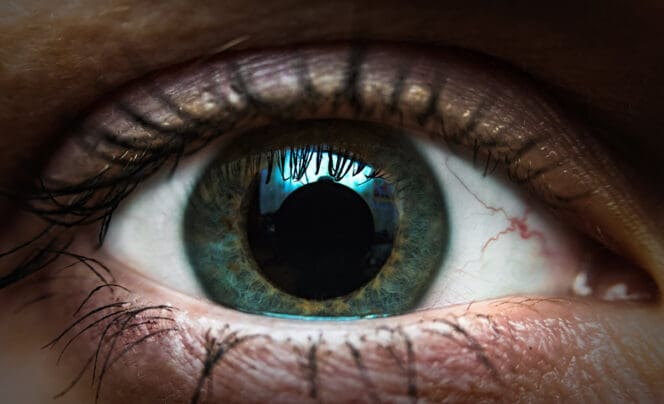
Drugs that cause dilated pupils (mydriasis) include cocaine, MDMA (ecstasy), LSD, psilocybin mushrooms, amphetamines, methamphetamine, and certain antidepressants like SSRIs and SNRIs. Drugs that cause constricted or “pinpoint” pupils (miosis) include opioids such as heroin, fentanyl, oxycodone, and morphine. Alcohol can cause mild dilation in some people but the effect varies.

Pupil changes are one of the most visible physical indicators of substance use, and understanding what different pupil responses mean can help parents, partners, educators, and healthcare providers identify potential drug use and take appropriate action.

Dilated Pupils

Which Drugs Cause Dilated Pupils (Mydriasis)?

Dilated pupils — where the black center of the eye appears noticeably larger than normal — occur when substances stimulate the sympathetic nervous system, triggering a “fight or flight” response that causes the iris muscles to expand.

Drugs that commonly cause dilated pupils:

SubstanceEffect on PupilsTypical Duration
CocaineDilation1–2 hours
Amphetamines (Adderall, speed)Dilation4–6 hours
MethamphetamineDilation8–12 hours
MDMA (ecstasy/molly)Significant dilation3–5 hours
LSDDilation10–12 hours
Psilocybin (magic mushrooms)Dilation4–6 hours
Cannabis (marijuana)Mild dilation possible3–4 hours
SSRI/SNRI antidepressantsMild dilationOngoing with use

The degree of dilation depends on the specific drug, the dose taken, the individual’s tolerance, and whether multiple substances are being used simultaneously.

Which Drugs Cause Pinpoint Pupils (Miosis)?

Pinpoint pupils — where the pupil constricts to a very small, dot-like size — are the hallmark sign of opioid use. Opioids activate the parasympathetic nervous system, which causes the sphincter muscles of the iris to contract.

Drugs that commonly cause constricted pupils:

  • Heroin
  • Fentanyl
  • Oxycodone (OxyContin, Percocet)
  • Hydrocodone (Vicodin)
  • Morphine
  • Codeine
  • Methadone

Pinpoint pupils combined with drowsiness, slowed breathing, and slurred speech are strong indicators of opioid intoxication. If you observe these symptoms together, it may indicate an overdose — call 911 immediately.

What Are “High Eyes”?

“High eyes” is a slang term used to describe the visible eye changes that occur when someone is under the influence of drugs or alcohol. Depending on the substance, high eyes can include:

  • Dilated (enlarged) pupils — common with stimulants, hallucinogens, and MDMA
  • Pinpoint (constricted) pupils — common with opioids
  • Bloodshot or red eyes — common with cannabis and alcohol
  • Glassy or unfocused eyes — common with alcohol, benzodiazepines, and opioids
  • Rapid eye movement (nystagmus) — common with PCP and high doses of alcohol
  • Droopy or heavy eyelids — common with opioids, cannabis, and benzodiazepines

Other slang terms include “saucer eyes” or “dinner plate pupils” (describing extreme dilation), “pinned” (describing opioid-related constriction), and “stoned eyes” (describing cannabis-related redness).

How Does the Pupil Response Work?

The size of your pupils is controlled by two sets of muscles in the iris, regulated by the autonomic nervous system:

The dilator muscle is controlled by the sympathetic nervous system (the “fight or flight” system). When activated — by fear, excitement, darkness, or stimulant drugs — it pulls the iris open, making the pupil larger to let in more light.

The sphincter muscle is controlled by the parasympathetic nervous system (the “rest and digest” system). When activated — by bright light, relaxation, or opioid drugs — it contracts the iris, making the pupil smaller.

Drugs that affect pupil size do so by interfering with these pathways. Stimulants flood the sympathetic system with signals, causing dilation. Opioids overwhelm the parasympathetic system, causing constriction.

Can Alcohol Cause Dilated Pupils?

Yes, alcohol can cause mild pupil dilation, though the effect is less pronounced and less consistent than with stimulant drugs. Alcohol affects the central nervous system broadly, and its impact on pupil size varies significantly between individuals and depends on the amount consumed.

Heavy alcohol consumption can also cause:

  • Bloodshot or glassy eyes
  • Slowed pupillary response to light (pupils react more slowly)
  • Nystagmus (involuntary eye movement) at high intoxication levels

Alcohol-related pupil changes alone are not a reliable indicator of intoxication. However, combined with other signs — slurred speech, impaired coordination, odor of alcohol — they contribute to the overall clinical picture.

Are Dilated Pupils a Definitive Sign of Drug Use?

No. Dilated pupils alone are not proof of drug use. Many non-drug factors can cause pupil dilation, including:

  • Low light or dark environments (normal physiological response)
  • Certain prescription medications (eye drops, antidepressants, antihistamines, decongestants)
  • Emotional arousal — fear, excitement, attraction
  • Head trauma or concussion
  • Neurological conditions
  • Migraine episodes

Dilated pupils should be considered alongside other symptoms and behavioral changes. If you suspect substance use, look for patterns: changes in sleep, mood, social behavior, appearance, finances, and daily functioning — not just a single physical sign.

Can Pupil Response Predict Relapse Risk?

Research suggests yes. A study published in the journal Psychopharmacology found that pupillary dilation in response to alcohol-related visual cues was a significant predictor of relapse in detoxified alcohol-dependent patients. The involuntary pupil response to alcohol imagery — measured 150 to 250 milliseconds after viewing — improved relapse prediction by 27% beyond standard clinical questionnaires measuring craving, use severity, and depression.

This research indicates that physiological responses like pupil dilation may eventually become part of clinical assessment tools for substance use treatment, helping providers identify patients at higher risk of relapse and adjust treatment plans accordingly.

What Should I Do If I Notice Signs of Substance Use?

If you notice dilated or pinpoint pupils combined with other behavioral or physical changes in a family member, partner, or child, here are recommended next steps:

If you suspect an overdose (pinpoint pupils + slow breathing + unresponsiveness): Call 911 immediately. Administer naloxone (Narcan) if available.

If you suspect ongoing substance use: Approach the conversation with empathy, not accusation. Express concern. Be specific about what you’ve observed. Avoid ultimatums in the first conversation.

If you need guidance: Contact a treatment center’s admissions team for a confidential consultation. At The Ridge Ohio, a physician-led alcohol and drug rehab center in Cincinnati, the admissions team is available 24/7 at 513-457-7963 to help families and individuals understand their options — whether that’s medical detox, inpatient rehab, outpatient care, or an initial assessment.

Substance use is a medical condition, not a moral failure. Early intervention significantly improves outcomes.

Drug Dilated Pupils FAQ

What drugs make your pupils really big?

Stimulants and hallucinogens cause the most significant pupil dilation. Cocaine, MDMA (ecstasy), LSD, psilocybin mushrooms, amphetamines, and methamphetamine all cause noticeably enlarged pupils. The effect is caused by stimulation of the sympathetic nervous system.

How long do pupils stay dilated after drug use?

Duration depends on the substance. Cocaine dilation typically lasts 1–2 hours. Amphetamines cause dilation for 4–6 hours. LSD can keep pupils dilated for 10–12 hours. Methamphetamine may cause dilation lasting 8–12 hours or longer depending on the dose.

What do opioid eyes look like?

Opioid use causes “pinpoint pupils” — the pupils become very small, sometimes barely visible as tiny dots even in normal or dim lighting. This is called miosis. Combined with drowsiness, slowed breathing, and a relaxed or “nodding off” appearance, pinpoint pupils are a strong indicator of opioid intoxication.

Can you tell what drug someone is on by their eyes?

Eyes can provide clues but are not definitive. Dilated pupils suggest stimulants or hallucinogens. Pinpoint pupils suggest opioids. Red, bloodshot eyes suggest cannabis or alcohol. Rapid involuntary eye movement suggests PCP or high-dose alcohol. However, many other factors affect pupil size, and eye appearance should be considered alongside other behavioral and physical signs.

Can prescription medications cause dilated pupils?

Yes. Several prescription medications can cause pupil dilation, including SSRI and SNRI antidepressants, antihistamines (like Benadryl), decongestants (like pseudoephedrine), some ADHD medications, anti-nausea drugs, and eye drops used during eye exams. If someone is taking these medications, dilated pupils may be a medication side effect rather than a sign of illicit drug use.

What is the difference between mydriasis and miosis?

Mydriasis is the medical term for pupil dilation (pupils becoming larger). Miosis is the medical term for pupil constriction (pupils becoming smaller). Mydriasis is typically caused by stimulant drugs, hallucinogens, or sympathetic nervous system activation. Miosis is typically caused by opioid drugs or parasympathetic nervous system activation.

Should I confront someone if I notice their pupils are dilated?

Dilated pupils alone are not conclusive evidence of drug use. If you notice dilated pupils combined with other changes — behavioral shifts, mood swings, sleep disruption, secretive behavior, declining performance at work or school — it may be worth having a compassionate conversation about what you’ve observed. Lead with concern, not accusation.

Can alcohol affect your pupils?

Yes. Alcohol can cause mild pupil dilation and slow the pupillary light reflex (how quickly pupils respond to changes in light). Heavy alcohol use can also cause bloodshot eyes and nystagmus (involuntary eye movement). These effects vary between individuals and depend on the amount of alcohol consumed.

Where can I get help if a family member is using drugs or alcohol?

Contact a treatment center for a confidential assessment. The Ridge Ohio offers 24/7 admissions support at 513-457-7963 for individuals and families. Services include medical detox, residential rehab, outpatient programs, and a dedicated program for working professionals. The Ridge Ohio is Joint Commission-accredited and physician-led, located in Cincinnati, Ohio.

What are the signs of a drug overdose?

Signs vary by substance. Opioid overdose signs include pinpoint pupils, slow or stopped breathing, blue lips or fingertips, and unresponsiveness. Stimulant overdose signs include extreme agitation, rapid heartbeat, chest pain, seizures, and hyperthermia. If you suspect an overdose, call 911 immediately.

Why Do People Become Alcoholics? Exploring Root Causes

Alcoholism is a common issue for many individuals today. It manifests as a stress-induced, trauma-related, or anxiety-driven condition.

Genetic factors increase the chances of individuals struggling with alcohol. However, this is not a rule. Alcoholic tendencies are enhanced by other factors, such as stress, trauma, depression, or societal pressures.

Explore the root causes of your alcoholism in therapy. The causes typically include learned behavior, outside pressures, and mental health challenges a person experiences over a prolonged period.

In this article, we explore different causes that lead to alcohol abuse. Also, we analyze how to manage them with medical assistance and reliable support systems.

Why Do People Become Addicted to Alcohol?

Alcohol dependence is a specific condition that results from a variety of factors. Genetics and specific brain chemistry often affect your ability to resist alcohol consumption. This applies to both drinking alcohol to celebrate and to deal with life challenges.

In the following passages, we show you the most common causes of alcoholism.

Genetic Factors

Genetics plays a significant role in increasing the chances of someone becoming an alcoholic. For example, your parents or other family members have resorted to alcohol as a coping mechanism in the past. Because of this, you may find alcohol more pleasurable, which leads to repeated use.

Of course, this is not always the case. Children or spouses of functioning alcoholics who witnessed their loved one slipping deeper into addiction often use this as a cautionary tale. This encourages them to steer clear of drug use or alcohol misuse.

They consciously avoid repeating patterns of behavior seen in family members who were misusing alcohol. They do so in response to trauma despite inheriting genetic predispositions.

Psychological Factors

Prolonged mental health conditions are a common risk for developing drinking habits. Alcoholics resort to binge drinking as a way to escape stress, mask their depression, or relieve anxiety.

Although this may seem like a helpful trick, it quickly develops into severe alcohol problems. This leads to health issues and consequences on your work, relationships, and responsibilities.

The most common psychological signs of alcoholism include:

  • Drinking to cope with stress and using alcohol to escape emotions
  • Experimenting with alcohol in youth and socializing in environments where alcohol is prevalent
  • Self-medicating mental health issues or hiding emotional pain with alcohol
  • Craving alcohol for pleasure or depending on alcohol to relax
  • Increasing consumption to achieve the same effect as when you were starting to drink
  • Managing anxiety with alcohol
  • Continuing to drink despite negative consequences
  • Struggling with impulse control

Alcoholism is a complex health condition that affects every part of your life. The recovery from it often requires medical assistance in monitoring your progress or dealing with withdrawal symptoms.

Environmental and Social Factors

Social and environmental elements, such as peer pressure, family history, or cultural norms, strongly contribute to alcohol addiction. 

Alcoholism is especially common in adolescents. They succumb to the pressure of their peers or situations they are in (celebrations, parties, weddings, etc.) much more quickly than adults.

Alcoholics recognize alcohol as a helpful tool for relaxing or managing stress. Then, they begin to use it in other situations. Alcoholics also often face societal pressures to drink. They fail to see the negative effects that alcohol has on their health in the long term.

Behavioral and Lifestyle Factors

Behavior and lifestyle habits are common risk factors for developing alcohol addiction. For example, a person will develop drinking patterns as a way to cope with stress. Others spiral into addiction by frequently attending events where drinking is normalized or encouraged.

Over time, this will lead to brain changes that lead to repetitive alcohol use. Without alcohol, a person finds it hard to deal with daily responsibilities. They also lack concentration or have trouble sleeping and managing impulsive behaviors or mood swings.

What Are the Early Warning Signs of Alcoholism?

Here is how to recognize self-destructive warning signs of your loved one struggling with alcoholism:

  • Developing tolerance over time
  • Normalizing heavy drinking due to cultural factors
  • Spiraling into addiction due to lack of support
  • Drinking to cope with mental health disorders
  • Neglecting responsibilities
  • Lacking healthy activities and hobbies
  • Using alcohol or other substances to self-medicate

Result of Alcoholism: Social and Personal Impact

Alcoholism does not only impact individuals but those around them, as well. People struggling with alcohol, drugs, or other substance use experience significant psychological, emotional, and physical consequences. They affect their behavior and decision-making.

As the dependence grows, alcoholics begin to experience trouble maintaining personal relationships with family and friends. They avoid responsibilities and social interactions as they become more dependent on alcohol.

If an individual is not ready to seek help for their alcoholism, this leads them deeper into isolation. As their loved ones strive to help them with their functioning alcoholism, alcoholics block any conversation about their issue. They often rationalize it or minimize it.

This delays the recovery and makes it more challenging. The common effects of alcoholism on an individual include:

  • Job loss due to poor performance or absence at work
  • Distancing and isolation from family members and friends
  • Violent outbursts and patterns of abuse
  • Public intoxication that leads to legal troubles
  • Health deterioration, such as cardiovascular issues, liver disease, and increased risks of cancer

How to Prevent a Person from Becoming an Alcoholic?

Preventing alcoholism is different for every person. It depends on the factors that contribute to them developing this habit. Consciously choosing healthy lifestyles and avoiding social pressures and risky situations is a significant first step.

Other helpful tips for preventing alcoholism are:

  • Set clear limits and boundaries: Decide on a limit for alcohol consumption, such as a specific number of drinks in certain situations.
  • Understand and manage triggers: Learn about your triggers and deal with them head-on by engaging in a calming activity or relying on a loved one for support and encouragement.
  • Educate yourself: Do your research on alcoholism and learn about the health consequences that stem from alcohol overconsumption.
  • Build a strong support system: Surround yourself with people who will support your sobriety and socialize with friends who will not tolerate unhealthy behaviors.
  • Practice healthy coping mechanisms: During the days you particularly struggle., exercise mindfulness, meditation, or other activities that promote relaxation.
  • Stay active and positive: Develop healthy hobbies and routines that prevent boredom, often leading to alcohol use.
  • Limit exposure to risky environments: Avoid risky activities and situations for your sobriety, such as situations where heavy drinking is expected or normalized.

Therapy and counseling teach you how to mend relationships with others and yourself. This helps you understand the most profound psychological causes of your addiction and how to heal from them. It also encourages you to mend the relationships that suffer from the consequences of your addiction.

Should You Ask for Professional Help?

We always encourage seeking professional help for treating your alcohol addiction. This is applied regardless of the intensity and longevity of your alcohol consumption.

With professional help, you can learn accountability and build a healthy structure in your life. This helps you avoid risky patterns of behavior and situations that may lead to slipping or relapsing.

At the Ridge Ohio, we recommend seeking professional assistance for your addiction at any point of your recovery. Our dedicated medical professionals provide 24/7 support in treating addiction to patients and their loved ones.

We believe that a healthy support system and early detection of alcoholism are key to recovery. Whether your addiction stems from genetics, environmental, or psychological issues, it is crucial to work on resolving them. This is the only way to achieve and maintain sobriety.

Key Takeaways

  • Alcoholism is caused by psychological, genetic, or social factors.
  • Alcoholics deal with significant health issues and difficulty in maintaining relationships or fulfilling obligations.
  • People turn to alcohol to cope with stress, avoid healing from psychological trauma, or due to societal pressures.

Frequently Asked Questions

Does Everyone Who Drinks Regularly Become an Alcoholic?

No, not everyone who drinks regularly becomes an alcoholic. It depends on the effect that alcohol has on a person’s life and the reason they turn to alcohol. Casual drinkers enjoy alcohol in moderation without developing a dependence or experiencing negative consequences. On the other hand, alcoholics have a compulsion to drink.

Can Personality Traits Influence Alcoholism?

Yes, certain personality traits can influence the likelihood of developing alcoholism. However, they do not always guarantee a person will take this path. High tendencies for impulsivity and risk-taking or struggling with anxiety can make individuals more susceptible to drinking. However, personality is just one piece of the puzzle when deciphering alcoholism in each patient.

Is Alcoholism a Mental Health Disorder?

Yes, alcoholism is a mental health disorder, according to the Substance Abuse and Mental Health Service Administration (SAMHSA). Specifically, it is a substance use disorder (SUD) within the Diagnostic and Statistical Manual of Mental Disorders (DSM-5). This means that alcoholism is a complex condition characterized by a variety of symptoms. They affect an individual’s mental, physical, and emotional health and well-being.

How Long Does Molly/MDMA Stay In Your Body?

Molly, also known as MDMA (3,4-methylenedioxymethamphetamine), is a psychoactive drug commonly used recreationally for its euphoric and empathogenic effects. The duration of how long Molly stays in the body is a topic of interest for individuals seeking to understand the timeline of drug elimination.

Factors such as dosage, frequency of use, metabolism, and overall health can influence how long MDMA remains detectable in bodily fluids and tissues. This article provides an overview of the typical duration of MDMA in the body and highlights important considerations regarding drug detection.

How Long Does Molly Stay in Your System?

The duration of time that MDMA stays in the body can vary depending on several factors, including the individual’s metabolism, dosage, frequency of use, and other personal factors. MDMA is primarily metabolized by the liver, and its metabolites can be detected in various bodily fluids and tissues. 

The drug itself has a relatively short half-life, averaging around 2 to 4 hours. However, the metabolites produced during its breakdown can persist in the body for longer periods. In terms of drug testing, different types of tests can detect MDMA and its metabolites in the body. Here are some estimates for how long MDMA may be detectable in various testing methods:

  • Urine: MDMA and its metabolites can typically be detected in urine for up to 3 to 4 days after use. However, heavy or prolonged use may extend detection times to 4 to 7 days or even longer.
  • Blood: MDMA is generally detectable in blood for a shorter period compared to urine. It can typically be detected for up to 24 to 48 hours after use.
  • Saliva: MDMA can be detected in saliva for a shorter duration than in urine, usually up to 1 to 2 days after use.
  • Hair: Hair follicle tests have the potential to detect drug use over an extended period. MDMA and its metabolites can be detected in hair for up to 90 days or even longer, depending on the length of the hair sample collected.

Factors such as hydration, body mass, and overall health can influence drug clearance rates. Additionally, using drugs like MDMA can have potentially harmful effects on your health, and it’s always important to prioritize your well-being and make informed decisions.

What Factors Affect How Long Molly/MDMA Stays in Your System?

Several factors can influence how long Molly/MDMA stays in your system. These factors can affect the drug’s metabolism, elimination, and detection in various bodily fluids and tissues. Here are some significant factors:

Dosages

The amount of MDMA taken can impact how long it stays in your system. Higher doses may take longer to metabolize and eliminate compared to lower doses.

Frequency Of Use

Regular and repeated use of MDMA can result in the accumulation of the drug and its metabolites in the body. This can extend the drug’s detection window and increase the time it takes for complete elimination.

Metabolism

Individual variations in metabolism can significantly affect how long MDMA stays in the system. Factors such as age, genetics, liver function, and overall health can influence the speed at which the drug is metabolized and eliminated.

Body Composition

Factors like body weight, body fat percentage, and hydration levels can impact MDMA’s distribution and elimination. Higher body fat percentage may lead to a longer detection window, as MDMA can be stored in fat cells.

Route Of Administration

The method of MDMA administration can influence its absorption and elimination kinetics. For example, intravenous (IV) use may result in a faster onset and shorter duration of effects compared to oral ingestion.

Drug Purity

The purity and quality of the MDMA consumed can affect how long it stays in the system. Adulterants or other substances mixed with MDMA can alter its metabolism and elimination patterns.

Overall Health And Kidney Function

Kidneys play a crucial role in eliminating drugs from the body through a process called renal excretion. If kidney function is compromised, it may affect the clearance of MDMA and its metabolites.

Drug Interactions

Concurrent use of other substances or medications can impact MDMA’s metabolism and elimination. Some drugs can inhibit or enhance the breakdown of MDMA, leading to altered clearance rates.

How Long Do the Effects of Molly Last?

On average, the effects of Molly typically last between 3 to 6 hours. However, it’s important to note that individual experiences may vary. Here’s a general timeline of the effects of Molly:

1. Onset

The effects of Molly usually begin within 30 minutes to 1 hour after ingestion. During this time, individuals may start to feel a sense of euphoria, increased sociability, heightened sensory perception, and enhanced emotional empathy.

2. Peak

The peak effects of Molly generally occur around 2 to 3 hours after ingestion. This is when the euphoria and empathogenic effects are typically at their strongest. Users may experience increased energy, heightened emotions, feelings of closeness to others, and enhanced sensory perception.

3. Plateau

After the peak effects, the intensity of the experience may start to plateau. Users may still feel the desired effects, but they may not be as intense as during the peak phase.

4. Come-down

As the effects of Molly begin to wear off, users may experience a come-down phase. This can involve feelings of fatigue, depression, irritability, and decreased energy. The come-down phase can last several hours and may vary in intensity depending on the individual and the dose consumed.

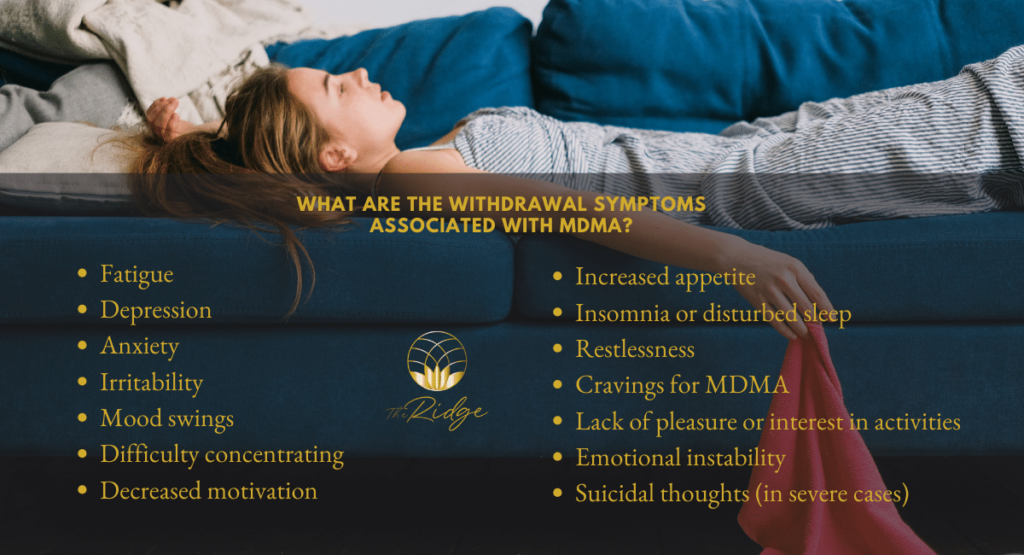
What are the Withdrawal Symptoms Associated with MDMA?

What are the Withdrawal Symptoms Associated with MDMA?

Withdrawal symptoms associated with MDMA may include:

  1. Fatigue
  2. Depression
  3. Anxiety
  4. Irritability
  5. Mood swings
  6. Difficulty concentrating
  7. Decreased motivation
  8. Increased appetite
  9. Insomnia or disturbed sleep
  10. Restlessness
  11. Cravings for MDMA
  12. Lack of pleasure or interest in activities
  13. Emotional instability
  14. Suicidal thoughts (in severe cases)
  15. Body aches and pains
  16. Headaches
  17. Increased sensitivity to stimuli (lights, sounds, etc.)
  18. Loss of libido or sexual dysfunction
  19. Digestive issues (nausea, diarrhea)
  20. Tremors or muscle stiffness

These symptoms and the levels of severity will vary for different people, depending on length of use, quantity, and certain genetic factors.

Detoxing from Molly?

To remove Molly (MDMA) from your system, you primarily need to allow your body’s natural processes to metabolize and eliminate the drug. Here are some general tips that may help facilitate the clearance of MDMA:

  • Time: The body will naturally metabolize and eliminate MDMA over time. On average, it may take around 2 to 4 days for MDMA and its metabolites to be cleared from the body. However, heavy or prolonged use of MDMA can result in longer detection times.
  • Hydration: Staying hydrated by drinking plenty of water can support the elimination of drugs from the body. Adequate hydration helps to maintain healthy kidney function, which plays a vital role in drug elimination.
  • Healthy diet and exercise: Maintaining a balanced diet and engaging in regular physical activity can promote overall health, which can indirectly support the body’s natural detoxification processes.
  • Avoid re-dosing: Taking additional doses of MDMA can prolong the drug’s presence in your system. It’s important to abstain from further use to allow your body to eliminate the existing MDMA.
  • Avoid other substances: Some substances, such as alcohol or certain medications, can potentially interfere with the metabolism and elimination of MDMA. It’s advisable to avoid using other substances during the elimination process.
  • Seek medical advice if necessary: If you have concerns about MDMA use or need additional support, it’s recommended to consult with a healthcare professional. They can provide personalized advice and guidance based on your specific circumstances.

It’s important to note that these suggestions may help support the natural elimination of MDMA from your system, but they do not guarantee immediate or complete removal of the drug. Additionally, if you have a substance use disorder or are struggling with addiction, it’s advisable to seek professional help from healthcare providers or addiction specialists to address the underlying issues and receive appropriate treatment.

Conclusion

The length of time Molly/MDMA stays in your body can vary based on several factors. These factors include dosage, frequency of use, metabolism, body composition, route of administration, drug purity, overall health, kidney function, and potential drug interactions. While the effects of Molly typically last around 3 to 6 hours, the drug itself can be detected in bodily fluids and tissues for a longer period.

It’s important to note that these estimates are based on general averages, and individual variations can occur. It’s always advisable to consult with a healthcare professional or utilize drug testing methods for accurate and personalized information on how long MDMA may stay in your system.

Side Effects Of Ketamine In Your Body

Ketamine, a medication with a long history of use as an anesthetic and analgesic, has gained attention for its potential therapeutic benefits in certain psychiatric conditions. However, like any medication, ketamine is not without its potential side effects. 

From short-term effects such as dissociation and hallucinations to potential long-term consequences like cognitive impairment and urotoxicity, this discussion will explore the various ways ketamine can affect the body.

According to the National Center for Biotechnology Information, Ketamine has been a Schedule III controlled substance in the U.S. since 1999. However, in terms of misuse, it is not nearly as misused as substances like opioids and cocaine, as it was involved in only 0.033% of U.S Emergency Department visits in 2005 related to drug misuse.

What is Ketamine

According to the Drug Enforcement Administration (DEA), Ketamine is a medication that has been used for various purposes, including as an anesthetic and analgesic (pain reliever). It was first developed in the 1960s and has since been approved by the U.S. Food and Drug Administration (FDA) for use in both humans and animals.

As an anesthetic, ketamine induces a trance-like state while providing pain relief, sedation, and amnesia. It is commonly used in surgical procedures, particularly in emergency or pediatric settings, due to its rapid onset and short duration of action.

Ketamine has also gained attention for its off-label use as a recreational drug and in the field of psychiatry. In lower doses, ketamine can produce dissociative effects, leading to altered perceptions of sight and sound, as well as a sense of detachment from one’s body or surroundings. This has led to its recreational use as a hallucinogenic drug, often referred to as “Special K” or simply “K.”

What Are The Short-Term Effects Of Ketamine?

The short-term effects of ketamine can vary depending on the dose, route of administration, and individual factors. Here are some common effects that can occur shortly after taking ketamine:

  • Analgesia: Ketamine is known for its potent analgesic properties, providing pain relief when used in medical settings.
  • Dissociation: One of the characteristic effects of ketamine is dissociation, which involves a sense of detachment from one’s body or surroundings. This can lead to feelings of disconnection, confusion, and a distorted perception of time and space.
  • Hallucinations: Ketamine can induce hallucinations, which may involve visual, auditory, or tactile sensations that seem vivid and real.
  • Altered perception: Ketamine can alter sensory perception, leading to changes in how one experiences sights, sounds, and physical sensations.
  • Euphoria: Some individuals may experience a sense of euphoria or a “rush” when taking ketamine, which can contribute to its recreational use.
  • Sedation: Ketamine has sedating properties and can cause drowsiness, reduced coordination, and slowed reflexes.
  • Increased heart rate and blood pressure: Ketamine can cause temporary increases in heart rate and blood pressure. However, it is generally considered to have a more favorable cardiovascular profile compared to other anesthetic agents.
  • Nausea and vomiting: Ketamine can sometimes cause gastrointestinal disturbances, including nausea and vomiting.

The effects of ketamine can be unpredictable, and the drug may affect individuals differently. Additionally, the recreational use of ketamine carries additional risks and can lead to more intense and potentially harmful effects.

What are the Long Term Effects of Ketamine?

The long-term effects of ketamine are still being studied, and research in this area is ongoing. However, there are some potential concerns associated with prolonged or heavy use of ketamine. It’s important to note that the majority of the available research focuses on the recreational or misuse of ketamine rather than its controlled medical use. Here are some potential long-term effects:

  • Cognitive Impairment: Prolonged and heavy use of ketamine has been associated with cognitive deficits, including problems with attention, memory, and executive function. These effects may persist even after discontinuing ketamine use.
  • Dependence and Addiction: Ketamine has the potential for psychological dependence and addiction. Regular and misuse of ketamine can lead to the development of tolerance, meaning higher doses are required to achieve the desired effects. Abrupt discontinuation of ketamine can also lead to withdrawal symptoms.
  • Bladder and Urinary Tract Problems: Chronic ketamine use has been linked to a condition called ketamine bladder syndrome or urotoxicity. It can cause inflammation, ulceration, and scarring of the bladder and urinary tract, leading to symptoms such as frequent urination, pain during urination, and blood in the urine. In severe cases, it can result in bladder dysfunction and even the need for surgical intervention.
  • Psychological Effects: Ketamine can have psychological effects, particularly with heavy or prolonged use. These may include mood disturbances, anxiety, hallucinations, and changes in perception and thought patterns. However, it’s worth noting that ketamine has also shown promise in certain therapeutic applications, such as the treatment of depression.
  • Organ Damage: There is some evidence suggesting that long-term ketamine use may be associated with damage to other organs, such as the liver and kidneys. However, more research is needed to fully understand the extent and mechanisms of this potential harm.

It’s crucial to approach ketamine use with caution and only under the supervision of a qualified healthcare professional, as the recreational or misuse of ketamine can significantly increase the risk of adverse long-term effects.

How Long Does Ketamine Stay in the Body?

How Long Does Ketamine Stay in the Body?

The duration that ketamine stays in the body can vary depending on several factors, including the dose, frequency of use, individual metabolism, and the route of administration. Below are some general estimates for the elimination half-life and detection times of ketamine and its metabolites:

1. Ketamine

The elimination half-life of ketamine is relatively short, typically ranging from 2 to 4 hours. This means that it takes about this amount of time for the concentration of ketamine in the body to decrease by half. However, it’s important to note that the effects of ketamine may wear off before it is completely eliminated from the body.

2. Norketamine

Norketamine is a major metabolite of ketamine. It has a longer elimination half-life compared to ketamine, ranging from 3 to 4 hours. Norketamine can contribute to the overall duration of ketamine’s effects.

3. Detection in urine

Ketamine and its metabolites can be detected in urine for a longer period than their effects last. In general, ketamine can be detected in urine for up to 2-4 days after use, while norketamine can be detected for a longer period, up to 4-8 days.

4. Detection in blood

Ketamine and its metabolites can be detected in blood for a shorter duration compared to urine. Ketamine can typically be detected in blood for up to 48 hours, while norketamine may be detectable for a slightly longer period.

Note that these estimates are approximate and can vary between individuals. Additionally, different drug tests may have varying sensitivities and detection thresholds, which can influence the detectability of ketamine and its metabolites.

Is Ketamine Addictive?

Yes, ketamine has the potential to be addictive. While the risk of addiction may be lower compared to some other drugs, it is still present, particularly with regular and misuse of ketamine.

Ketamine can produce pleasurable and euphoric effects, which can contribute to its addictive potential. Regular use of ketamine can lead to the development of tolerance, meaning that higher doses are needed to achieve the same desired effects. This can increase the risk of escalating use and dependence.

Psychological dependence on ketamine can also occur, where individuals may feel a strong craving or compulsion to use the drug despite negative consequences. Dependence can lead to difficulties in controlling drug use and can be accompanied by withdrawal symptoms when ketamine use is discontinued.

Abrupt discontinuation of ketamine after prolonged or heavy use can result in withdrawal symptoms, which may include cravings, anxiety, depression, irritability, insomnia, and cognitive difficulties.

If you or someone you love is struggling with ketamine addiction or dependence, seek professional help from a healthcare provider or addiction specialist at The Ridge, Ohio, who can provide guidance, support, and appropriate treatment options.

Conclusion

In conclusion, it’s crucial to approach the topic of ketamine’s side effects in a compassionate and empathetic manner. While ketamine has its potential benefits, it’s equally important to acknowledge the possible risks it poses to the body. 

By understanding and discussing the short-term effects, such as dissociation and hallucinations, as well as the potential long-term consequences, like cognitive impairment and urotoxicity, we can make well-informed decisions about its use. 

Let’s prioritize responsible and informed usage, with the guidance of healthcare professionals, to ensure the utmost safety and well-being of individuals seeking the potential therapeutic benefits of ketamine.

Luxury Rehab for Executives: Balancing Recovery and Career Success

Luxury rehabs for executives cater to top professionals who need to undergo rehabilitation while continuing to fulfill their job responsibilities. For many people going through a rehabilitation program, the fear of losing their job is one of the biggest concerns. Business owners, CEOs, and company leaders may also feel a sense of time-wasting regarding leaving their responsibilities at work to attend rehab, and that’s where luxury rehabs for executives come in.

Luxury drug rehabs for executives are characterized by a work-friendly, flexible, and confidential environment and experience. They aim to help individuals address addiction or mental health issues while minimizing disruptions to their careers, making it possible to seek treatment and maintain their professional responsibilities simultaneously.

What is an Executive Rehabilitation Program?

An Executive Rehabilitation Program is a specialized and tailored treatment program designed to address the unique needs of high-ranking professionals, executives, and business leaders who are struggling with addiction, substance abuse, or mental health issues

Executive addiction treatment recognizes the distinct needs and pressures faced by high-ranking professionals, bridging a crucial gap in the recovery landscape. These programs create a supportive environment that facilitates sobriety and helps individuals improve their workplace performance, manage work-related stress, and reduce the risk of relapse.

According to a report by SAMHSA in 2014, out of the over 113 million adults employed full-time, more than 10.8 million are battling substance abuse, accounting for up to nearly 10% of the population. Due to the highly demanding job descriptions of these top professionals, stress, pressures, and anxiety could result in substance abuse and addiction, leading to the need for rehab without leaving work.

Executive rehab programs are usually luxurious because the amenities and services provided are what you may not find in a typical residential rehabilitation facility. These programs are characterized by confidentiality to eliminate the worries of stigma and shame, work-friendliness to accommodate professionals with an environment that fosters work continuation while recovering, and high-end amenities to help executives enjoy a comfortable and conducive environment in recovery.

What differentiates Luxury Executive Rehabs From Traditional Rehab Programs?

Executive rehabs differ from traditional rehab programs in several key ways. It goes beyond just the environment. Luxury executive rehabs provide luxurious services and amenities that you cannot find in traditional rehabs. These programs are also tailored to meet the unique needs of executives, allowing them to seek treatment for addiction or mental health issues while retaining their careers and professional standing.

1. Privacy and Confidentiality

Privacy and confidentiality are paramount in executive rehab programs, and they are given utmost importance due to the high-profile and sensitive nature of the clients involved. Executive rehabs prioritize the confidentiality and reputation of their clients. 

They offer discreet admission processes and private accommodations and ensure that an executive’s participation remains confidential, which can be crucial for high-profile individuals. These measures are in place to ensure that executives can seek treatment for addiction or mental health issues without fearing damage to their personal or professional reputation.

2. High-End Amenities

High-end amenities are a hallmark of luxury executive rehab programs, distinguishing them from traditional rehab facilities. Executive rehabs provide upscale accommodations and amenities, creating a comfortable and conducive environment for recovery. This can include spa services, gourmet dining, and luxurious surroundings.

These amenities contribute to the overall experience and may be appealing to high-ranking professionals who value comfort and luxury during their rehabilitation journey. They may also include technology access, concierge services, fitness centers, educational workshops, and pet-friendly accommodations.

3. Work-Friendly Environment

A work-friendly environment is a key feature that sets luxury executive rehab programs apart from traditional rehab facilities. Executive rehabs offer facilities and resources that cater to an executive’s need to continue working during treatment. This includes private offices, access to communication tools, and support services.

Unlike traditional rehabs, luxury executive rehabs place a strong emphasis on seamlessly integrating an individual’s work and personal life into the treatment process. The staff is experienced in helping clients manage their job responsibilities while undergoing treatment.

4. Specialized Treatment Plans

Traditional rehab programs typically have standard treatment plans for everyone. While some traditional rehabs may tailor treatment plans to the individual, this feature is even more intense and effective with luxury executive rehabs. In contrast, executive rehabs create personalized plans that address the unique needs and challenges executives face, such as stress management, work-related triggers, and maintaining professional responsibilities while in recovery.

5. Peer Support Network

Peer support networks in luxury executive rehab programs are a vital component that distinguishes these programs from traditional rehab facilities. Executive rehabs often facilitate networking and the establishment of a peer support system. Executives can connect with others in similar positions, fostering understanding and providing professional support.

Top professionals in these rehabs can benefit from exclusive peer groups, shared experiences, a professional support system, accountability and motivation, a sense of community, mentorship and guidance, networking opportunities, and many more.

6. Holistic Approach

While traditional rehab programs also provide a holistic approach to treating patients with substance addiction, primarily focusing on therapy and counseling, executive rehabs often take a more comprehensive approach to recovery. They include wellness services, fitness programs, spiritual guidance, stress management, mind-body connection, integrated therapies, nutritional guidance, and aftercare planning to address the individual’s overall well-being.

The holistic approach in luxury executive rehab programs recognizes that recovery goes beyond addressing addiction or mental health issues. It aims to create a balance in all aspects of an individual’s life, fostering lasting well-being and success in their personal and professional endeavors.

7. Flexible Scheduling

Traditional rehab programs often have fixed schedules, while executive rehabs provide flexibility. Luxury executive rehab programs empower high-ranking professionals to seek the help they need for addiction or mental health issues without jeopardizing their careers. This flexibility can be crucial in their successful recovery journey.

Executives can attend therapy and treatment sessions without taking extended leaves from work, allowing them to maintain their professional responsibilities, minimize disruptions, and receive support from employers, if necessary.

8. The Cost of Treatment

As you probably already know, luxury executive rehabs cost more than traditional rehab facilities, and this is due to the several high-end amenities and treatments you’ll receive. Although different executive rehabs will charge different fees based on their offerings, the cost of using these facilities can be more than twice or even three times what you’d pay in a traditional rehab facility.

The good news is that you may not have to worry about paying those exorbitant fees since your insurance typically covers most of it.

What are the Benefits of Luxury Rehabs for Executives?

The benefits of luxury rehabs for executives can include the following:

1. Treatment is highly focused, short-term, and work-friendly

Addiction treatment programs tailored for professionals understand that, unlike others, you may have pressing responsibilities that can’t be put on hold for extended periods. Traditional rehab durations of 30, 60, or 90 days may not align with your need to return to work promptly. That’s where executive rehab centers step in, offering highly focused, short-term care.

These programs prioritize personalized treatments and one-on-one therapy, emphasizing your unique needs. By doing so, they not only expedite your recovery process but also enable you to return to your professional responsibilities sooner. The goal is to strike a balance between effective treatment and minimizing the disruption to your work life, making the transition back to your career smoother and faster.

2. Customized Treatment Plans, Depending on Your Unique Needs

An essential feature of an effective treatment program is the provision of individualized treatment plans that are tailored to the distinct needs of each patient. Executive treatment programs excel in this aspect, making them the optimal choice for working professionals seeking care. These programs go beyond offering luxurious amenities and accommodating work-related needs.

What sets them apart is their capacity to design personalized treatment plans that address your specific requirements. Whether it’s flexible scheduling to align with your professional commitments or specialized therapies like stress management, anger management, and vocational training, these elements are geared towards enhancing your performance in the workplace and mitigating the risk of relapse. In essence, executive treatment programs recognize that your recovery journey should be as unique as you are, ensuring that your needs are at the forefront of your treatment plan.

3. Achieve Sobriety While Retaining Your Work

One of the prominent advantages of executive addiction treatment is the ability for business professionals to attain sobriety without the need to completely disconnect from their demanding work roles that often span weeks or even months. This unique benefit is essential for individuals who must balance their recovery with their professional obligations.

Whether engaged in a residential rehab program or opting for outpatient treatment, executive addiction treatment makes it possible for clients to maintain their work commitments. In residential settings, designated time is allocated daily for remote work or communication with the workplace. For those choosing outpatient treatment, the freedom to structure therapy sessions around their work schedule enables them to seamlessly integrate their recovery journey into their professional life. This approach empowers individuals to pursue sobriety while safeguarding their careers, making executive addiction treatment an ideal choice for business professionals.

How can executives choose the right rehab program to meet their specific needs?

Choosing the right executive rehab program is a crucial decision for high-ranking professionals seeking recovery while maintaining their careers. There’s so much to consider before deciding to join a luxury rehab, and these considerations will determine your experiences in the facility. Here’s a step-by-step process of finding the right luxury rehab for executives:

  • Define Personal Goals: The first step in any process is clearly defining your goals and how you plan to achieve them. In terms of rehab, you must also define your recovery goals. Are you primarily seeking addiction treatment, addressing mental health issues, or both? Identifying your goals will help narrow down suitable programs.
  • Evaluate Specific Needs: High-ranking professionals often have unique challenges. Consider the specific needs related to your career, such as work schedule, privacy concerns, and work-related stressors.
  • Research Program Reputation: Once you’re sure what you want, shortlist a few rehabs that offer those services and investigate their reputation. Look for reviews, testimonials, and feedback from individuals who have gone through the same program.
  • Check for Accreditation: Verify that the program is accredited and staffed with licensed professionals. Accreditation ensures that the facility meets industry standards for treatment quality and safety.
  • Privacy and Confidentiality: Ensure that the program places a strong emphasis on privacy and confidentiality, which is crucial for high-profile individuals. Speak with the admissions staff about the measures they have in place to protect your identity.
  • Flexibility and Work Integration: Inquire about the flexibility of the program. Does it accommodate your work schedule? Do they provide resources to help you continue fulfilling your professional responsibilities?
  • Specialized Treatment Plans: Discuss the availability of specialized treatment plans that address the challenges specific to your career, such as stress management, work-related triggers, and time management.
  • Peer Support and Networking: Determine if the program offers peer support and networking opportunities with other high-ranking professionals. This can be a valuable resource for sharing experiences and guidance.
  • Holistic Approach: Explore the holistic approach of the program. Does it focus on physical, emotional, and mental well-being? Assess how their holistic methods align with your personal wellness goals.
  • Location and Amenities: Consider the location of the rehab facility and whether it meets your preferences. Since you might be shuttling between work and rehab, you’d need a rehab center that’s convenient for those trips. Review the amenities and services offered to ensure they align with your comfort and recovery expectations.
  • Consult with Healthcare Professionals: It’s advisable to consult with healthcare professionals, including your primary care physician or therapist, for recommendations and guidance on choosing the right program based on your unique needs.
  • Review Insurance and Cost: Verify whether the program is covered by your insurance. Understand the costs involved, and consider whether the program offers financial assistance options or payment plans.
  • Visit the Facility: If possible, visit the facility in person. Touring the location allows you to assess the environment, meet the staff, and ensure that it meets your expectations.
  • Speak with Program Admissions: Communicate with the admissions team and ask detailed questions about how the program can cater to your specific needs and challenges.
  • Ask for References: Request references from individuals who have previously enrolled in the program to gain insights into their experiences and the effectiveness of the treatment.

By following these steps, high-ranking professionals can make an informed choice when selecting an executive rehab program that aligns with their specific needs, ensuring the best possible chance for a successful recovery while sustaining their careers.

Conclusion

In conclusion, executive addiction treatment programs offer a vital lifeline to business professionals facing the unique challenge of overcoming addiction while maintaining their demanding careers. These programs provide several benefits that underscore their effectiveness, including customized treatment plans, the ability to achieve sobriety while retaining work commitments, and the provision of career-targeted therapies.

The ability to participate in substance abuse counseling without sacrificing one’s career is a testament to the adaptability and innovation of executive addiction treatment. It demonstrates that recovery and professional success need not be mutually exclusive. These programs empower individuals to heal, regain their well-being, and return to their careers with renewed strength and determination.

The Dangers Of Kratom And It’s Side Effects

A growing trend in America today is to experiment with various “legal” drug-like substances. Many of these are homegrown plants or supplements that are marketed as legal and harmless. As many are witnessing firsthand, however, there are many risks when it comes to using experimental supplements, especially for someone who is already recovering from a drug or alcohol addiction. Even though some of these substances are described as having the ability to help wean an individual off opiates or other drugs, these claims are almost always exaggerated and should be examined more closely.

What is Kratom?

Kratom is a tropical tree (Mitragyna speciosa) native to Southeast Asia, with leaves that contain compounds that can have psychotropic (mind-altering) effects. It is not currently illegal and has been easy to order on the internet. It is sometimes sold as a green powder in packets labeled “not for human consumption.”

Kratom is also known as Thang, Kakuam, Thom, Ketum, and Biak. The leaves are usually chewed or ingested in capsules, brewed into tea or crushed and smoked.

The two compounds in kratom leaves, mitragynine and 7-α-hydroxymitragynine, interact with opioid receptors in the brain, producing sedation, pleasure, and decreased pain when consumed in high quantities. In small amounts, it acts as a stimulant.

Kratom’s effects are similar to both opioids and stimulants. It can cause side effects like nausea, itching, sweating, dry mouth, constipation, increased urination, loss of appetite, hallucinations, seizures, and even symptoms of psychosis in some users.

Its legality varies from country to country and state to state. In the U.S., it’s legal in some states, banned in others, and in a gray area in some states, where it is legal but regulated.

Kratom has seen use in an attempt to mitigate symptoms of opioid withdrawal, though research has not found this to be concretely effective.

Is Kratom Dangerous?

Kratom, derived from the tropical tree Mitragyna speciosa, has been gaining popularity in the United States and other parts of the world as an alternative remedy for various ailments. However, its safety has been a subject of debate. While some advocate for its potential therapeutic benefits, others raise concerns about its side effects and addictive properties.

Overview of the potential risks and side effects

Kratom’s compounds interact with opioid receptors in the brain, which can lead to a range of side effects. In small quantities, it acts as a stimulant, but in larger doses, it can have sedative effects similar to opioids. Common side effects include nausea, itching, sweating, dry mouth, and constipation. More severe side effects can include hallucinations, seizures, and symptoms of psychosis. Long-term use of Kratom has been associated with weight loss, insomnia, liver disease, and addiction.

Analysis of Kratom’s legal status and regulatory challenges

Kratom’s legal status varies by country and within the United States, by state. In some places, it is legal and sold as a dietary supplement, while in others it is banned or regulated. The U.S. Food and Drug Administration (FDA) has not approved Kratom for medical use and has expressed concerns about its safety and potential for abuse. The Drug Enforcement Administration (DEA) has listed Kratom as a “drug of concern” but has not classified it as a controlled substance.

Mixing Kratom and Alcohol

Mixing alcohol and Kratom can be a risky combination that poses potential dangers to one’s health and well-being. Both substances have psychoactive effects on the body, and when taken together, their interactions can intensify the sedative and depressant effects. This can lead to increased sedation, impaired motor skills, heightened respiratory depression, and other adverse reactions. It’s important to understand the risks involved and make informed decisions about the consumption of these substances. For more detailed information on the risks of combining alcohol and Kratom, refer to our comprehensive article, “The Potent Mix: Understanding the Risks of Combining Kratom and Alcohol.

What Is Kratom Paranoia?

Kratom paranoia refers to a state of excessive anxiety or fear that is often irrational and associated with the belief that one is being persecuted or in danger, following the consumption of Kratom. This condition is characterized by heightened suspicion, mistrust, and an altered perception of reality.

Causes and Triggers of Kratom Paranoia

The causes of Kratom paranoia are not entirely understood, but it is believed to be linked to the interaction of Kratom’s active compounds with opioid receptors in the brain. High doses of Kratom can lead to altered mental states, which may trigger paranoia. Additionally, individual factors such as a person’s mental health history, the presence of other substances in the system, and genetic predisposition can also play a role in triggering Kratom paranoia.

Potential Consequences and Impact on Mental Health

Kratom paranoia can have a significant impact on an individual’s mental health and well-being. It can lead to social isolation, as the person may withdraw from friends and family due to mistrust. The constant state of anxiety and fear can also contribute to stress, depression, and other mental health disorders. In severe cases, Kratom paranoia can lead to delusional thinking and hallucinations, which may require psychiatric intervention.

Recommendations for individuals experiencing Kratom Paranoia

If an individual is experiencing Kratom paranoia, it is crucial to seek professional help. A healthcare provider or mental health professional can offer guidance and treatment options. It is also advisable to discontinue the use of Kratom, especially in high doses. Family and friends should be supportive and encourage the individual to seek help. Additionally, educating oneself about the potential risks and side effects of Kratom can be beneficial in making informed decisions regarding its use.

How Is Kratom Used?

Kratom is an ancient substance that is getting much attention today because of its resurgence in America. According to the DEA, Kratom (Mitragyna speciosa korth), is a tropical tree indigenous to Thailand, Malaysia, Myanmar and other areas of Southeast Asia. It is in the same family as the coffee tree, and has been used by those living in Southeast Asia for decades. When the leaves of this plant are chewed in small amounts, it works as a stimulant, providing users with increased alertness, physical energy, talkativeness and sociable behavior. When used in larger amounts, kratom mimics opioids, providing pain relief, sedation, and a feeling of euphoria.

Kratom traditionally was used by Southeast Asian farmers to increase their energy so they could work longer, harder hours, while also providing them with pain relief. It is also used in a compound by Thai militants and young Muslims to make themselves more bold and fearless. However, there are several dangers associated with the use of kratom, and the substance has been banned in several countries:

  • In 1943, the Thai government passed the Kratom Act 2486 that made planting of the tree illegal.
  • In 1979, the Thai government enacted the Narcotics Act B.E. 2522, placing kratom along with marijuana in Category V of a five-category classification of narcotics.
  • In January 2016, the U.S. Food and Drug Administration (FDA) placed a ban on the import of products containing kratom, stating that there is no legitimate use of this substance as a dietary supplement.
  • The Drug Enforcement Administration (DEA) has not yet listed kratom as a controlled substance, but it is now listed as a “drug of concern.”

Immediate side effects of kratom include:

  • Nausea
  • Sweating
  • Itching
  • Loss of appetite
  • Constipation
  • Dry Mouth
  • Increased urination

Long term use of kratom can lead to more serious side effects, including:

  • Anorexia
  • Insomnia
  • Weight loss
  • Constipation
  • Darkening of the skin
  • Liver disease
  • Psychotic symptoms
  • Addiction

Addictive: Some claim that kratom is able to help addicts overcome a heroin or other opiate addiction because of its ability to mimic the effects of these drugs. However, studies show that kratom, when used over a long period of time, is addictive itself. Those who use this substance to treat an existing drug addiction usually just end up replacing one dangerous drug for another.

The National Institute on Drug Abuse (NIDA) recently published a study that reported on psychiatric illness and significant withdrawal symptoms in Thai individuals who abused kratom for a long period of time, citing muscle aches, insomnia, and irritability as the most common symptoms. In addition, hallucinations, paranoia, trouble feeling pleasure, and decreased cognition were also reported.

Withdrawal symptoms of kratom:

  • Muscle aches
  • Insomnia
  • Nausea
  • Aggression
  • Mood swings
  • Runny nose
  • Irritability
  • Hallucinations
  • Paranoia
  • Decreased cognition

  • Other names kratom is known by:


    • Thom

    • Ketum

    • Biak

    • Kakuam

    • Thang


    Kratom’s Use for Treating Addiction


    While some people state that kratom is helpful for treating opiate withdrawal symptoms and allowing them to safely withdraw from these drugs, most experts simply disagree. This makes the substance even more dangerous for those in recovery, as people put their hope in a substance that they believe will magically solve all their problems. As we have seen, kratom comes with its own set of problems, including addiction, and must be treated with care.

Dangers of Kratom

Over The Counter Kratom Can BE DangerousEasy to obtain and use: The leaves of the kratom plant are chewed or ground up and dissolved in drinks. The effects of this substance usually occur within 5 to 10 minutes of ingestion, and may last for 2 to 5 hours. Kratom is extremely easy to buy over the counter which makes it a risk for youth and other individuals that are not aware of the side effects that can result from its use.

Kratom today is legally sold in the United States as an over-the-counter dietary supplement at convenience stores, music stores, and gas stations, as well as through the Internet. A growing practice is for bars to sell kratom in a drinkable tea form for recreational use. These establishments market the drug as a legal substance that will help relax the person while increasing their energy.

Harmful to physical health: Contrary to the belief of many who experiment with it, kratom is not a harmless substance. It can cause a range of immediate and long term side effects that are hazardous to the individual’s health and wellbeing.

The DEA reports that “Long-term use of kratom produced anorexia, weight loss, insomnia, skin darkening, dry mouth, frequent urination, and constipation. A withdrawal syndrome was observed, consisting of symptoms of hostility, aggression, emotional lability, wet nose, achy muscles and bones, and jerky movement of the limbs. Furthermore, several cases of kratom psychosis were observed, where kratom addicts exhibited psychotic symptoms that included hallucinations, delusion, and confusion.”

Seeking Addiction Treatment for Kratom

Recognizing Kratom addiction is the first and crucial step towards recovery. Kratom, though often marketed as a natural alternative, has the potential for abuse and addiction. Being aware of signs such as cravings, withdrawal symptoms, and changes in behavior is vital. Early recognition of Kratom addiction is essential for timely intervention and preventing long-term consequences.

Available treatment options for Kratom addiction

There are various treatment options available for individuals struggling with Kratom addiction. These include medically supervised detoxification, medication-assisted treatment, behavioral therapies, and counseling. One notable facility that offers comprehensive addiction treatment is The Ridge, a luxury drug and alcohol treatment facility located in Cincinnati, Ohio. The Ridge provides a serene and supportive environment for recovery, with personalized treatment plans that address the unique needs of each individual.

The role of support systems and counseling

Support systems, including family, friends, and support groups, play a critical role in the recovery process. Counseling, both individual and group, is also an integral part of treatment. At The Ridge, patients have access to experienced counselors and therapists who work closely with them to address underlying issues and develop coping strategies for a sustainable recovery.

Encouragement for seeking help and resources for Kratom addiction

If you or someone you know is struggling with Kratom addiction, it is imperative to seek help. The Ridge in Cincinnati, Ohio, offers a compassionate and holistic approach to addiction treatment. With a focus on healing the mind, body, and spirit, The Ridge provides the tools and support necessary for individuals to rebuild their lives free from addiction, including detailed detox programs and inpatient rehab center. Don’t hesitate to reach out for the help that you or your loved one deserves.

Sources:

  1. National Institute on Drug Abuse. “Kratom DrugFacts.” NIDA, 17 Jun. 2020, https://www.drugabuse.gov/publications/drugfacts/kratom.
  2. Garcia-Romeu, Albert, et al. “Kratom (Mitragyna speciosa): User Demographics, Use Patterns, and Implications for the Opioid Epidemic.” Drug and Alcohol Dependence, vol. 202, 2019, pp. 24-32, https://www.ncbi.nlm.nih.gov/pmc/articles/PMC6612999/.
  3. Gottlieb, Scott. “Statement from FDA Commissioner Scott Gottlieb, M.D. on FDA Advisory About Deadly Risks Associated with Kratom.” U.S. Food and Drug Administration, FDA, 14 Nov. 2017, www.fda.gov/news-events/press-announcements/statement-fda-commissioner-scott-gottlieb-md-fda-advisory-about-deadly-risks-associated-kratom.
  4. Warner, Misty L., et al. “The Pharmacology and Toxicology of Kratom: from Traditional Herb to Drug of Abuse.” International Journal of Legal Medicine, vol. 130, no. 1, 2015, pp. 127-138, https://pubmed.ncbi.nlm.nih.gov/26669285/.
  5. “Should Kratom Use Be Legal?” The New York Times, 19 Oct. 2016, https://www.nytimes.com/roomfordebate/2016/10/19/should-kratom-be-legal.

10 Signs You May Need Drug and Alcohol Rehab

Key Takeaway:

  • Warning signs: Reckless behavior, strained relationships, declining health, withdrawal symptoms, and mental health issues can indicate a need for drug rehab.
  • Personal and legal consequences: Drug use can lead to neglected responsibilities, deception, legal troubles, and difficulties quitting without help.
  • Seek professional help: Rehabilitation centers like The Ridge provide resources, personalized treatment plans, and support for a successful recovery from addiction.

In today’s society, substance use disorders can often be cloaked in the shadows of denial, stigma, and misunderstanding. This makes it challenging for those affected to realize they may need help. Sometimes, it’s not until the situation becomes severe that the reality of the problem fully emerges. Yet, it is vital to understand that the earlier intervention occurs, the more successful recovery can be.

It’s important to understand the signs of substance use disorder and highlight the crucial indicators that professional help, such as our Ohio inpatient alcohol rehab or Ohio alcohol detox might help. Recognizing the signs of substance use disorder or disordered use of medication or alcohol can help to provide a path to understanding, acceptance, and ultimately, recovery.

10 Signs You May Have A Drug Addiction And need Drug and Alcohol Rehab

10 signs you may need rehab

From physical and mental health changes to shifts in social behavior and responsibilities, several factors may signify a potential problem with drug abuse. The DSM-5 is a diagnostic manual that provides a guideline for diagnosing drug addiction. The criteria for drug addiction falls under four basic categories — impaired control, physical dependence, social problems and risky use: If you or a loved one is using more of a substance than intended or using it for longer than intended, these a signs you might need rehab. Trying to cut down or stop using the substance but being unable to you with the knowledge to discern these signs either in yourself or in your loved ones, acts as a critical first step in the journey towards overcoming substance use disorder. The road to recovery is not easy, but acknowledging the problem is the start of a courageous journey towards a healthier, substance-free life.

About 23.5 million Americans are addicted to drugs and alcohol. Unfortunately, only 11% ever receive treatment.

1. Reckless Behavior

About 10.2 million people drive under the influence of drugs. When you’re under the influence, you might think it’s safe to drive. Your capacity to think clearly could become diminished.

You could start behaving recklessly as a result. Unfortunately, your decisions could put yourself and others at risk.

If your fading inhibitions led you to take dangerous risks, consider seeking drug abuse help. Otherwise, you could make a life-threatening decision in the future.

Think about the decisions you’ve made recently. Has anyone pointed out that you’re threatening your life? Did someone get hurt as a result of your decisions?

Consider seeking help before someone dies as a result of your reckless behavior.

2. Your Friends

Your friends and family members might speak up if they’ve noticed you’ve changed recently. They might notice these signs you need drug rehab before you do. If a loved one has spoken up about your drug abuse, consider seeking help.

Don’t shrug off their concerns. After all, they’re worried about you. They’re only trying to help you see the potential consequences of your choices.

Drug abuse could lead you to isolate yourself. You might pick fights or push people away.

If you’ve noticed your drug use is having an impact on your relationships, ask yourself “Do I need drug rehab?”

Don’t let your drug use impact your relationships. The tools you learn during drug rehabilitation could help you mend those broken fences.

3. Diminished Health

Consider scheduling a visit with your doctor. They might help you recognize the impact drugs are having on your health. In fact, prolonged drug use could damage essential organs, including your:

Your risk for heart failure, HIV, and hepatitis C can increase, too.

Take a look at yourself in the mirror. Do you recognize the person you see? If you’ve noticed changes to your health, it’s time to seek help.

Otherwise, your health will only continue to diminish. You might not realize the damage that’s occurring until it’s too late.

4. Withdrawal Symptoms

If you’ve ever tried quitting on your own, you could begin to experience withdrawal symptoms. These symptoms could include:

You could start experiencing these symptoms during the first 24 hours you stop using.

After the first day or two, your symptoms could get worse. You might experience:

  • High blood pressure
  • Diarrhea
  • Abdominal cramping
  • Goosebumps on the skin
  • Vomiting and nausea
  • Dilated pupils
  • Blurry vision
  • Rapid heartbeat

Your symptoms should improve between 72 hours and a week.

If you’ve experienced these symptoms between moments of drug use, it could mean you’ve developed a dependence. Seek drug rehabilitation right away.

5. Mental Health Issues

Prolonged drug use could impact your mental health, too. For example, it could augment a mental illness like depression. You might start harming yourself.

Some people experience suicidal thoughts as well.

If you’ve started experiencing mental health issues like anxiety or depression, don’t wait to seek help. Otherwise, you could hurt yourself.

Look for a program that offers dual diagnosis treatment. You can receive help for your depression and addiction at the same time.

Neither one has to control your life.

In fact, seeking help right away could improve your quality of life.

6. Legal Issues

Your risky behavior could lead to legal issues down the road. For example, you might get arrested for:

  • Violence
  • Possession of controlled substances
  • A car accident

You might get arrested for stealing, buying drugs illegally, or other forms of reckless behavior, too. If you’ve recently found yourself in legal trouble, consider it a wake-up call.

Getting help before that happens can help you avoid problems in the future. Don’t wait until you’re in handcuffs. Instead, consider these signs you need drug rehab.

If these issues sound familiar, it’s time to check yourself in.

7. Neglected Responsibilities

Drug use can become obsessive. It could take over your life until it’s all you care about. You might start neglecting responsibilities as a result.

For example, you might skip work or school. You might avoid responsibilities like paying rent or taking care of your kids. If you’ve started neglecting your responsibilities, you could impact others.

It might impact your future as well.

Instead, seek help right away.

8. You’re Lying

You might start lying to the people around you as a result of your drug use. For example, you might avoid telling people where you’ve been. You might hide drugs in your home or start hanging out with new people.

You could believe you’re in control of your drug use.

If these situations sound familiar, consider visiting a rehabilitation center.

9. You Don’t Know How to Quit

Do you know what to do if you want to stop using drugs? Don’t try to quit cold turkey on your own.

Remember, you could experience serious withdrawal symptoms.

Instead, find a facility that can help you safely detox.

10. You Tried and Failed

If you’ve asked yourself, “Do I need drug rehab,” you might have tried to quit in the past. Unfortunately, quitting alone isn’t always easy. You might relapse as a result of your withdrawal symptoms.

Consider visiting an inpatient drug rehabilitation center. They can provide you with the resources you need to quit successfully.

FAQs about Signs You May Need Drug and Alcohol Rehab Or Have A Substance Use Disorder

What are the top signs that I may need drug and alcohol rehab?

Noticing behavioral changes, such as increased secrecy, withdrawal from social activities, or a sudden change in friends can be signs. Physical symptoms like a change in sleep patterns, sudden weight loss or gain, or noticeable lack of hygiene could also indicate a need for rehab.

How does my physical health indicate a potential substance use disorder?

Declining physical health can be an early sign of substance use disorder. This may manifest as frequent illness, lack of energy, changes in appetite, or sudden weight changes. Unexplained injuries can also be a sign.

Are changes in personality or mood signs of substance use disorder?

Yes, changes in personality or mood can be signs of substance use disorder. If you’re experiencing heightened irritability, anxiety, or depression, or if you notice these changes in a loved one, it could be indicative of an issue with drugs or alcohol.

Can problems at work or school signal the need for drug and alcohol rehab?

Yes, if substance use is causing trouble at work or school such as declining performance, tardiness, or absence, these can be signs of a substance use disorder that may require professional help.

Does a high tolerance to drugs or alcohol mean I need rehab?

Building a high tolerance to drugs or alcohol, meaning needing larger amounts to feel the same effects, can be an early sign of addiction. If you notice this, it might be time to consider seeking help.

How does my mental health indicate potential substance use disorder?

Substance use can often coincide with mental health disorders. If you’re experiencing increased feelings of depression, anxiety, or paranoia, or if you’re noticing an increase in these feelings when not using the substance, this could be a sign of substance use disorder.

Can withdrawal symptoms signal the need for drug and alcohol rehab?

Experiencing withdrawal symptoms when trying to quit or reduce substance use can be a strong indicator of addiction. Symptoms can range from mild, such as restlessness or insomnia, to severe, such as hallucinations or seizures.

Does using drugs or alcohol to cope with stress indicate a problem?

Relying on drugs or alcohol to deal with stress, trauma, or emotional discomfort can be an early sign of substance use disorder. If this is happening, it’s important to seek help before it becomes a more serious issue.

Are changes in social behavior a sign of substance use disorder?

Changes in social behavior, such as withdrawal from friends and family, or associating with a new group of friends who use substances, can be early signs of substance use disorder.

Can neglecting responsibilities indicate the need for drug and alcohol rehab?

Yes, if drug or alcohol use is causing a person to neglect responsibilities at home, work, or school, it may be an indication that the substance use has become a problem and rehabilitation might be necessary.

Related Articles: Drug Rehab Guides

Start Your Road to Recovery For Drug And Alcohol Use Disorder

If these signs you need drug rehab sound familiar, don’t wait to seek help. The longer you wait, the more likely your health will deteriorate. Instead, consider signing up for drug rehabilitation right away.

You can develop a customized treatment plan with your goals and needs in mind.

You don’t have to go through this alone. We’re here to help.

Sources

  1. National Institute on Drug Abuse (NIDA). (2022). “Signs of Substance Abuse.” https://www.drugabuse.gov/publications/media-guide/science-drug-use-addiction-basics
  2. American Psychological Association (APA). (2023). “Understanding Substance Use Disorders.” https://www.apa.org/topics/substance-use-abuse-addiction
  3. Substance Abuse and Mental Health Services Administration (SAMHSA). (2023). “Recognizing the Signs of Substance Use Disorders.” https://www.samhsa.gov/find-help/disorders
  4. World Health Organization (WHO). (2022). “Substance Abuse: Symptoms and Warning Signs.” https://www.who.int/health-topics/substance-abuse
  5. Mayo Clinic. (2023). “Drug Addiction (Substance Use Disorder): Symptoms & Signs.” https://www.mayoclinic.org/diseases-conditions/drug-addiction/symptoms-causes/syc-20365112
  6. National Health Service (NHS). (2023). “The Signs of Drug Addiction.” https://www.nhs.uk/live-well/healthy-body/drug-addiction-getting-help/
  7. Centers for Disease Control and Prevention (CDC). (2023). “Alcohol and Public Health: Alcohol-Related Disease Impact.” https://www.cdc.gov/alcohol/fact-sheets/alcohol-use.htm
  8. American Addiction Centers. (2022). “Early Warning Signs of Drug Use.” https://americanaddictioncenters.org/signs-of-drug-addiction
  9. National Institute on Alcohol Abuse and Alcoholism (NIAAA). (2022). “Alcohol Use Disorder.” https://www.niaaa.nih.gov/alcohol-health/overview-alcohol-consumption/alcohol-use-disorders