Relationship Between Music Therapy & Mental Health

Music therapy, an established health profession, uses music to address physical, emotional, cognitive, and social needs in individuals. According to the American Music Therapy Association, music therapy interventions can be designed to manage stress, alleviate pain, express feelings, enhance memory, improve communication, and promote physical rehabilitation. A striking statistic from a study by the National Alliance on Mental Illness reveals that music therapy has shown a significant positive effect in treating depression, with over 60% of patients in music therapy reporting substantial improvement in mood and mental health. This underscores the potential of music therapy as a valuable tool in the realm of mental health care.

Music therapy’s relationship with mental health is multifaceted and profound. This article explores this connection in-depth, examining how music therapy works, its applications for various mental health conditions, and the benefits it offers. Whether as a primary treatment modality or a complementary approach, music therapy holds a unique and powerful place in the landscape of mental health treatment.
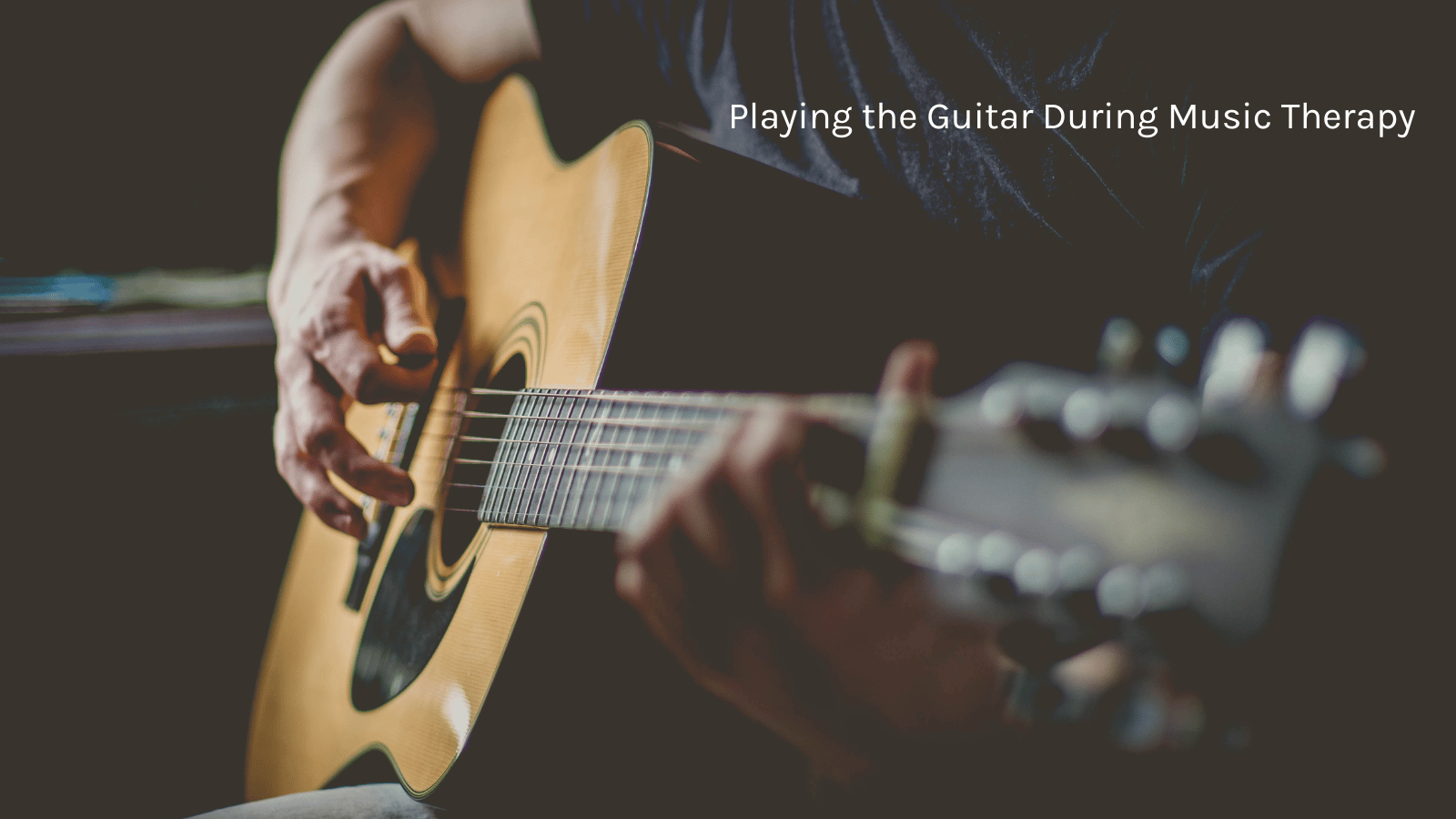
Young man playing guitar at a music therapy session for addiction treatment

What is Music Therapy?

Music therapy is a therapeutic approach that uses music to address the physical, emotional, cognitive, and social needs of individuals. It is an established health profession practiced by certified music therapists who are skilled musicians with extensive training in therapy and rehabilitation. Music therapy involves a range of music-making methods, including listening, singing, playing instruments, and composing music, tailored to the individual needs of each client.

The practice of music therapy dates back to ancient times, but it gained formal recognition as a professional therapy method in the 20th century, especially after World Wars I and II, when musicians would play for veterans suffering from war-related emotional and physical trauma. This led to the realization of music’s therapeutic benefits and its formal development into a structured clinical profession.

In music therapy sessions, therapists assess the emotional well-being, physical health, social functioning, communication abilities, and cognitive skills of their clients. Through musical responses, the therapist identifies the client’s strengths and areas needing improvement and uses this information to devise a customized treatment plan. The goal of music therapy is not to teach music skills but to utilize music as a tool to bring about therapeutic change and personal growth.

How Does Music Therapy Work?

Music therapy operates on the principle that music can profoundly affect both the mind and the body. The process is multifaceted, involving the brain’s response to rhythm, melody, and harmony. This response can trigger various psychological and physiological changes, such as releasing endorphins, reducing stress hormones, and altering brainwave patterns, leading to states of relaxation or alertness.

At its core, music therapy works by tapping into the emotional and symbolic aspects of music to facilitate expression and interaction. For instance, music can evoke emotions without the use of words, making it an excellent tool for individuals who struggle with verbal communication. Furthermore, music’s rhythm can influence physiological responses, aiding in the regulation of breathing and heart rate, which is particularly beneficial in conditions like anxiety or PTSD.

The brain’s neuroplasticity, its ability to reorganize and form new neural connections, also plays a crucial role in music therapy. Engaging with music can stimulate areas of the brain associated with memory, emotion, and sensory processing, fostering cognitive and emotional healing. Music therapy’s effectiveness lies in its ability to be both a universal and a highly individualized medium. It transcends language barriers and can be tailored to resonate personally with each individual, regardless of their musical background.

What Mental Health Conditions Can Music Therapy Address?

Music therapy has been effective in treating a wide range of mental health conditions. It is particularly beneficial for:

  • Depression: Music therapy can offer an outlet for expression and a source of pleasure, helping to alleviate symptoms of depression. It can also encourage social interaction and engagement, combating isolation.
  • Anxiety Disorders: The calming effects of music can help regulate breathing and heart rate, reducing symptoms of anxiety. Music therapy sessions can also provide a safe space for individuals to explore and process their anxieties.
  • Post-Traumatic Stress Disorder (PTSD): For individuals with PTSD, music therapy can be a non-threatening medium to express emotions and process traumatic experiences. The rhythmic elements of music can help in grounding and stabilizing mood.
  • Schizophrenia and Other Psychotic Disorders: Music therapy can assist in managing symptoms like hallucinations and disorganized thinking. It can also improve social interaction and communication skills.
  • Dementia and Alzheimer’s Disease: While primarily neurodegenerative disorders, the emotional and behavioral symptoms of dementia can be alleviated through music therapy. It can stimulate memory recall and provide a sense of comfort and familiarity.
  • Autism Spectrum Disorder: Music therapy can enhance communication, improve social skills, and help manage sensory issues in individuals with autism.

The effectiveness of music therapy in these conditions is supported by a growing body of research. Studies have demonstrated significant improvements in mood, reduced anxiety levels, and enhanced cognitive functioning in patients undergoing music therapy. This evidence highlights the potential of music therapy as a valuable complement to traditional mental health treatments.

young women playing piano during a music therapy session.

What Happens in a Music Therapy Session?

A music therapy session is a structured yet flexible therapeutic interaction that varies greatly depending on the individual’s needs and objectives. Typically conducted by a certified music therapist, these sessions can take place in various settings, including hospitals, clinics, schools, or private practices. The activities in a music therapy session can include:

  • Listening to Music: The therapist might play or choose music based on the therapeutic goals, such as relaxation, mood elevation, or emotional expression. Listening can evoke memories, emotions, and stimulate cognitive and sensory responses.
  • Playing Instruments: Clients are encouraged to play instruments, which can help with motor skills, emotional expression, and social interaction. No prior musical skill is required, and the focus is on therapeutic engagement rather than musical proficiency.
  • Singing: Singing can be used to improve mood, enhance memory, and facilitate verbal communication and articulation. It can be particularly effective for individuals with speech impairments or those recovering from a stroke.
  • Writing Songs or Composing Music: Creating music allows clients to express themselves creatively and emotionally. It can be particularly empowering, giving voice to feelings or experiences that might be difficult to articulate in words.
  • Improvisation: This involves spontaneously creating music and can be a powerful tool for non-verbal communication and expression. It allows the therapist to gain insights into the client’s emotions and thought processes.
  • Movement to Music: This can include dancing or other forms of movement, aiding in physical coordination, and emotional release.

Each session is tailored to the client’s needs and goals. The therapist continuously assesses the client’s response and adjusts the session accordingly. The safe and supportive environment of a music therapy session helps clients explore their emotions, cope with stress, and work on specific therapeutic goals.

How Does Music Therapy Complement Other Mental Health Treatments?

Music therapy is often used in conjunction with other mental health treatments, enhancing their effectiveness and providing a holistic approach to care. It complements other therapies in several ways:

  • Enhancing Cognitive-Behavioral Therapy (CBT): Music can provide a backdrop for exploring and changing negative thought patterns, a key component of CBT. It can also be used to practice and reinforce coping strategies learned in CBT sessions.
  • Supporting Psychotherapy: Music therapy can facilitate emotional expression and introspection, providing valuable material for discussion in psychotherapy sessions. It can help individuals access and process emotions that might be difficult to express through words alone.
  • Augmenting Group Therapy: In group settings, music therapy can foster a sense of community, improve social skills, and provide a shared, non-threatening activity for group members to bond over.
  • Complementing Medication Regimens: While music therapy does not replace medication, it can enhance the overall well-being of individuals taking medication for mental health conditions. It offers a non-pharmacological tool to manage symptoms like anxiety and depression.
  • Integrating with Rehabilitation Programs: For individuals recovering from addiction or other mental health conditions, music therapy can provide a positive, creative outlet, aiding in the rehabilitation process.

By incorporating music therapy into a broader treatment plan, therapists can address various aspects of a client’s well-being. This multi-modal approach can be especially effective, as it caters to the diverse needs and preferences of individuals seeking mental health care.

Can Music Therapy Be Self-Administered?

While professional guidance from a certified music therapist is ideal for addressing specific mental health issues, some aspects of music therapy can be self-administered for general well-being. Individuals can use music as a therapeutic tool in their daily lives by:

  • Creating Personalized Playlists: Tailoring music selections to fit different moods or needs, such as relaxation, motivation, or comfort.
  • Engaging in Mindful Listening: Actively listening to music and being present in the experience can aid in relaxation and stress reduction.
  • Playing an Instrument: Learning to play an instrument can be a therapeutic hobby that fosters a sense of achievement and provides a creative outlet.
  • Singing: Singing, whether alone or in a group, can be uplifting and therapeutic, particularly for expressing emotions.

However, it’s important to approach self-administered music therapy with awareness. Certain types of music or lyrics might trigger negative emotions or memories. Therefore, individuals are advised to be mindful of their reactions to different music and adjust their choices accordingly.

What Does Research Say About Music Therapy and Mental Health?

Research in the field of music therapy has consistently demonstrated its effectiveness in improving mental health. Key findings include:

  • Reducing Symptoms of Depression and Anxiety: Studies have shown that music therapy can significantly decrease the symptoms of depression and anxiety, often used alongside traditional therapies.
  • Improving Symptoms in PTSD Patients: Research indicates that music therapy can reduce the severity of PTSD symptoms, helping individuals process trauma in a safe, controlled environment.
  • Enhancing Cognitive Functioning in Dementia Patients: For those with dementia, music therapy has been found to improve memory recall and cognitive functioning, as well as reduce agitation.
  • Benefiting Children with Autism: Music therapy has shown positive results in improving social communication and interaction among children with autism spectrum disorder.

These studies underscore the versatility and effectiveness of music therapy across various mental health conditions, supporting its growing recognition as a valuable therapeutic tool.

How to Find a Qualified Music Therapist?

Finding a qualified music therapist involves several steps:

  • Check Credentials: Look for therapists certified by reputable organizations like the American Music Therapy Association.
  • Research Their Background: Consider their experience, specialization, and approach to ensure they align with your specific needs.
  • Ask for Referrals: Healthcare providers, mental health professionals, or educational institutions may provide referrals.
  • Consult Reviews or Testimonials: These can give insights into the therapist’s methods and effectiveness from the perspective of their clients.
  • Schedule a Consultation: Meeting the therapist beforehand can help determine if their style and personality are a good fit.

Music Therapy Success Stories

Countless individuals have experienced transformative effects through music therapy. For instance, veterans with PTSD have found solace and expression in music therapy, aiding in their emotional recovery. Children with autism have shown remarkable improvements in social skills and communication through music-based interactions. Adults with depression have reported feeling more hopeful and less isolated after participating in music therapy sessions. These success stories illustrate the profound impact music therapy can have on individuals from all walks of life.

Conclusion

Music therapy offers a unique and effective approach to mental health treatment, providing emotional, cognitive, and social benefits. Its flexibility and adaptability make it suitable for a wide range of individuals and conditions. As research continues to affirm its value, music therapy stands as a testament to the healing power of music, transcending traditional treatment methods and offering a holistic path to recovery and well-being.

women listening to music in her room during addiction treatment.

Exploring Music Therapy Options at The Ridge

For those seeking a comprehensive approach to recovery that includes music therapy, The Ridge, a luxury drug rehab center, presents an ideal option. Located in Cincinnati, Ohio, The Ridge attracts clients from all over the United States, offering a serene and supportive environment conducive to healing. Their Inpatient Drug and Alcohol Rehab In Cincinnati, Ohio integrates music therapy with other treatment modalities, providing a holistic approach to recovery. Whether you’re looking for an innovative way to address mental health challenges or seeking a retreat that combines luxury with therapeutic efficacy, The Ridge is equipped to meet a diverse range of needs. To explore how music therapy at The Ridge can be part of your or a loved one’s journey towards mental wellness, visit their website or contact them directly for more information.


 

What is Yoga Therapy? Meaning, Techniques and Benefits

Yoga therapy, an integrative and holistic approach to wellness, has been gaining recognition as a powerful tool in addiction treatment. According to the International Association of Yoga Therapists, yoga therapy is increasingly being incorporated into recovery programs, with research showing significant benefits in reducing addiction-related symptoms and improving mental health. This therapeutic approach integrates traditional yoga techniques with modern psychological and medical knowledge to address the complex challenges of addiction, offering a path to recovery that nurtures both body and mind.

What is Yoga Therapy?

Yoga therapy is a personalized and holistic approach to health and wellness that utilizes yoga postures, breathing exercises, meditation, and guided imagery to improve physical and mental health. Distinct from general yoga classes, yoga therapy sessions are typically conducted one-on-one or in small groups and are tailored to address specific health issues and individual needs.

In the context of addiction treatment, yoga therapy is not just about physical postures; it’s a comprehensive approach that includes lifestyle management, mental and emotional healing, and often incorporates aspects of counseling and mindfulness. A yoga therapist works to create a supportive environment where individuals can explore the root causes of their addiction, learn coping strategies, and develop a deeper understanding of their mind and body. This personalized approach ensures that the therapy aligns with the unique journey of each individual in recovery.

Historical Background of Yoga Therapy

The practice of yoga therapy is rooted in ancient yoga traditions, which date back over 5,000 years. Originally, yoga was developed as a spiritual practice in India, with the aim of integrating the body, mind, and spirit. However, over time, the therapeutic aspects of yoga were recognized and began to be used for healing and wellness.

Modern yoga therapy emerged in the mid-20th century, as yoga masters began to combine traditional yogic wisdom with Western medical and psychological knowledge. This integration made yoga more accessible and relevant to contemporary health challenges, including addiction. Pioneers like T.K.V. Desikachar and B.K.S. Iyengar were instrumental in developing yoga therapy as a distinct discipline, emphasizing individualized practice and therapeutic applications of yoga.

Today, yoga therapy is recognized as a valuable complementary treatment in various health fields, including addiction recovery. Its evolution from ancient spiritual practice to modern therapeutic intervention reflects its versatility and enduring relevance in promoting holistic health and well-being.

Graphic listing all the different types of Yoga

What Are The Different Types Of Yoga?

  1. Hatha Yoga: Focuses on basic postures at a comfortable pace, suitable for beginners.
  2. Vinyasa Yoga: Known for its fluid, movement-intensive practices, often synchronized with breath.
  3. Iyengar Yoga: Emphasizes precision and alignment in poses, often using props like blocks and straps.
  4. Ashtanga Yoga: A rigorous style of yoga following a specific sequence of postures and emphasizing breath control.
  5. Bikram Yoga: Consists of a set series of 26 poses, practiced in a room heated to high temperatures.
  6. Kundalini Yoga: Combines postures, breathing exercises, and the chanting of mantras to awaken spiritual energy.
  7. Yin Yoga: A slow-paced style where poses are held for longer periods, targeting deep connective tissues.
  8. Restorative Yoga: Focuses on relaxation and healing, often using props to support the body in passive poses.
  9. Power Yoga: An active and athletic style of yoga, based on Vinyasa practice but not following a set sequence.
  10. Sivananda Yoga: Based on five principles (proper exercise, breathing, relaxation, diet, positive thinking, and meditation) and follows a set structure.
  11. Jivamukti Yoga: Combines Vinyasa-style practice with a theme set by the teacher, often including chanting, music, and scripture readings.
  12. Anusara Yoga: A modern version of Hatha Yoga focusing on heart-opening postures and the spiritual aspects of yoga.
  13. AcroYoga: A physical practice combining yoga and acrobatics, often practiced with a partner.
  14. Prenatal Yoga: Tailored for pregnant women to enhance flexibility, strength, and breathing techniques for childbirth.
  15. Chair Yoga: A gentle form of yoga practiced sitting on a chair or standing using a chair for support, suitable for people with limited mobility.

How Does Yoga Therapy Work in Addiction Treatment?

Yoga therapy addresses addiction treatment by focusing on both the physical and psychological aspects of recovery. The practice recognizes addiction not just as a physical dependency but as a disorder that involves emotional, mental, and often spiritual imbalances. By integrating yoga postures (asanas), breathing techniques (pranayama), and meditation, yoga therapy helps individuals in recovery to reconnect with their bodies, regulate their emotions, and calm their minds.

One of the key principles in yoga therapy for addiction is the concept of mindfulness. Through mindful practices, individuals become more aware of their thoughts, emotions, and body sensations, which is crucial for breaking the cycle of addiction. This increased self-awareness helps individuals recognize triggers and develop healthier coping mechanisms. Additionally, yoga therapy can aid in detoxification and reduce withdrawal symptoms, making the physical aspects of recovery more manageable.

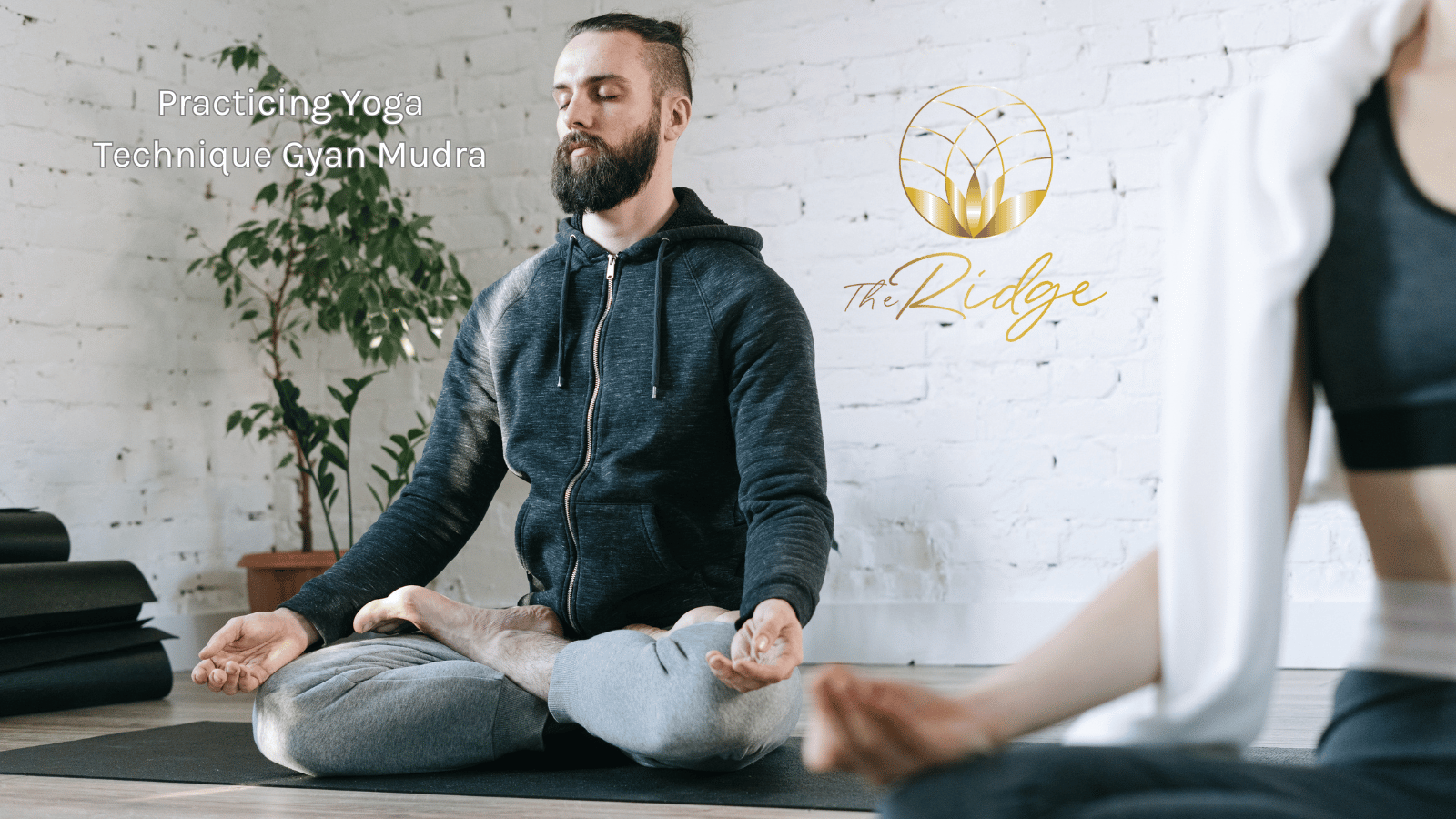
Man and women practicing Gyan Mudra: The gesture of knowledge or wisdom

Key Techniques of Yoga Therapy in Addiction Treatment

Yoga therapy in addiction treatment employs various techniques tailored to the individual’s specific needs. Some of the key techniques include:

  • Asanas (Yoga Postures): Gentle yoga postures help improve physical strength, flexibility, and balance. They also aid in releasing tension and stress stored in the body, which is common in individuals recovering from addiction.
  • Pranayama (Breathing Exercises): Controlled breathing techniques are used to regulate the nervous system, reduce anxiety, and improve mental focus. They can be particularly effective in managing cravings and emotional dysregulation.
  • Meditation and Mindfulness: Meditation practices foster a sense of calm and present-moment awareness, crucial for mental clarity and emotional stability. Mindfulness techniques help individuals observe their thoughts and feelings without judgment, reducing the likelihood of relapse.
  • Guided Relaxation and Imagery: These techniques promote deep relaxation, reduce stress, and can be powerful tools in addressing the psychological aspects of addiction.
  • Yoga Nidra: A guided deep relaxation technique that promotes mental healing and can be particularly effective in addressing underlying issues of addiction, such as trauma or depression.

What Are the Benefits of Yoga Therapy for Addiction?

Yoga therapy offers a wide range of benefits for individuals in addiction recovery:

  • Physical Benefits: Improved physical health through enhanced strength, flexibility, and detoxification. Yoga therapy can also improve sleep quality and boost energy levels, which are often compromised in addiction.
  • Mental and Emotional Benefits: Significant stress reduction, increased mental clarity, and emotional regulation. Yoga therapy helps in developing resilience against stressors, reducing the risk of relapse.
  • Spiritual Benefits: Many individuals in recovery find that yoga therapy enhances their spiritual connection, fostering a sense of purpose and inner peace. This spiritual aspect can be particularly empowering, offering a sense of belonging and a new perspective on life.
  • Social Benefits: Group yoga therapy sessions create a sense of community and support, essential in the journey to recovery. Sharing experiences and practicing together can help build healthy relationships and reduce feelings of isolation.

These benefits demonstrate how yoga therapy can be a comprehensive and effective tool in addiction treatment, addressing the multifaceted nature of addiction and promoting long-term recovery and well-being.

How is Yoga Therapy Integrated into Addiction Treatment Programs?

Yoga therapy is increasingly becoming a core component of holistic addiction treatment programs. Its integration into these programs typically involves:

  • Complementing Traditional Treatments: Yoga therapy is used alongside conventional treatments like counseling and medication-assisted treatment. It enhances the effectiveness of these treatments by addressing the physical and mental stress associated with recovery.
  • Tailored Yoga Programs: Addiction treatment centers often design specific yoga programs that align with the overall treatment goals. These programs are personalized, taking into account the individual’s stage of recovery, physical ability, and specific challenges related to addiction.
  • Regular Practice: Incorporating regular yoga sessions into the daily or weekly schedule of the treatment program, providing a consistent practice that residents can rely on for stress relief and emotional regulation.
  • Educational Workshops: Some programs include workshops or sessions that educate participants on the principles of yoga and how it can aid in addiction recovery, empowering them to continue their practice beyond the treatment setting.

By integrating yoga therapy into addiction treatment programs, these centers offer a more comprehensive approach to recovery, one that supports the physical, mental, emotional, and spiritual dimensions of healing.

How to Find a Qualified Yoga Therapist for Addiction Recovery?

Finding a qualified yoga therapist who specializes in addiction recovery involves several steps:

  • Seek Recommendations: Start by asking healthcare providers or addiction treatment centers for referrals to experienced yoga therapists.
  • Verify Credentials: Ensure that the therapist has appropriate credentials, such as certification from the International Association of Yoga Therapists or similar organizations.
  • Consider Experience in Addiction Recovery: Look for therapists with specific experience or training in addiction recovery, as they will be more equipped to address the unique challenges of this field.
  • Personal Compatibility: It’s important that the therapist’s style and approach resonate with the individual’s preferences and needs. Meeting or having a consultation session can help in determining this fit.
  • Accessibility: Consider the location and availability of the therapist, ensuring that regular sessions can be easily attended.

Woman laying out her yoga mat at treatment

Exploring Yoga Therapy Options for Addiction Recovery

Yoga therapy offers a holistic and effective approach to addiction recovery, addressing the physical, mental, emotional, and spiritual aspects of the individual. Its techniques and practices provide the tools for self-awareness, stress management, and emotional regulation, all of which are crucial in the journey towards lasting sobriety.

As you consider incorporating yoga therapy into your recovery journey, it’s important to know that there are specialized treatment centers that understand and value this holistic approach. One such center is The Ridge, a luxury addiction treatment facility that includes yoga therapy as a key component of its comprehensive treatment program. At The Ridge, clients have the opportunity to experience the healing power of yoga therapy in a serene and supportive environment, where every aspect of their well-being is addressed.

The Ridge’s yoga therapy sessions are designed to complement other treatment modalities, ensuring a well-rounded approach to recovery. Whether you’re just beginning your journey towards sobriety or looking to deepen your recovery process, the integration of yoga therapy at The Ridge offers a unique opportunity to heal and transform in a luxurious and nurturing setting.

For those interested in exploring how yoga therapy can play a role in overcoming addiction, The Ridge provides an ideal setting. With its expert staff, tranquil environment, and commitment to holistic treatment, The Ridge stands out as a premier destination for those seeking a premium addiction treatment program.


Luxury Rehab for Executives: Balancing Recovery and Career Success

Luxury rehabs for executives cater to top professionals who need to undergo rehabilitation while continuing to fulfill their job responsibilities. For many people going through a rehabilitation program, the fear of losing their job is one of the biggest concerns. Business owners, CEOs, and company leaders may also feel a sense of time-wasting regarding leaving their responsibilities at work to attend rehab, and that’s where luxury rehabs for executives come in.

Luxury drug rehabs for executives are characterized by a work-friendly, flexible, and confidential environment and experience. They aim to help individuals address addiction or mental health issues while minimizing disruptions to their careers, making it possible to seek treatment and maintain their professional responsibilities simultaneously.

What is an Executive Rehabilitation Program?

An Executive Rehabilitation Program is a specialized and tailored treatment program designed to address the unique needs of high-ranking professionals, executives, and business leaders who are struggling with addiction, substance abuse, or mental health issues

Executive addiction treatment recognizes the distinct needs and pressures faced by high-ranking professionals, bridging a crucial gap in the recovery landscape. These programs create a supportive environment that facilitates sobriety and helps individuals improve their workplace performance, manage work-related stress, and reduce the risk of relapse.

According to a report by SAMHSA in 2014, out of the over 113 million adults employed full-time, more than 10.8 million are battling substance abuse, accounting for up to nearly 10% of the population. Due to the highly demanding job descriptions of these top professionals, stress, pressures, and anxiety could result in substance abuse and addiction, leading to the need for rehab without leaving work.

Executive rehab programs are usually luxurious because the amenities and services provided are what you may not find in a typical residential rehabilitation facility. These programs are characterized by confidentiality to eliminate the worries of stigma and shame, work-friendliness to accommodate professionals with an environment that fosters work continuation while recovering, and high-end amenities to help executives enjoy a comfortable and conducive environment in recovery.

What differentiates Luxury Executive Rehabs From Traditional Rehab Programs?

Executive rehabs differ from traditional rehab programs in several key ways. It goes beyond just the environment. Luxury executive rehabs provide luxurious services and amenities that you cannot find in traditional rehabs. These programs are also tailored to meet the unique needs of executives, allowing them to seek treatment for addiction or mental health issues while retaining their careers and professional standing.

1. Privacy and Confidentiality

Privacy and confidentiality are paramount in executive rehab programs, and they are given utmost importance due to the high-profile and sensitive nature of the clients involved. Executive rehabs prioritize the confidentiality and reputation of their clients. 

They offer discreet admission processes and private accommodations and ensure that an executive’s participation remains confidential, which can be crucial for high-profile individuals. These measures are in place to ensure that executives can seek treatment for addiction or mental health issues without fearing damage to their personal or professional reputation.

2. High-End Amenities

High-end amenities are a hallmark of luxury executive rehab programs, distinguishing them from traditional rehab facilities. Executive rehabs provide upscale accommodations and amenities, creating a comfortable and conducive environment for recovery. This can include spa services, gourmet dining, and luxurious surroundings.

These amenities contribute to the overall experience and may be appealing to high-ranking professionals who value comfort and luxury during their rehabilitation journey. They may also include technology access, concierge services, fitness centers, educational workshops, and pet-friendly accommodations.

3. Work-Friendly Environment

A work-friendly environment is a key feature that sets luxury executive rehab programs apart from traditional rehab facilities. Executive rehabs offer facilities and resources that cater to an executive’s need to continue working during treatment. This includes private offices, access to communication tools, and support services.

Unlike traditional rehabs, luxury executive rehabs place a strong emphasis on seamlessly integrating an individual’s work and personal life into the treatment process. The staff is experienced in helping clients manage their job responsibilities while undergoing treatment.

4. Specialized Treatment Plans

Traditional rehab programs typically have standard treatment plans for everyone. While some traditional rehabs may tailor treatment plans to the individual, this feature is even more intense and effective with luxury executive rehabs. In contrast, executive rehabs create personalized plans that address the unique needs and challenges executives face, such as stress management, work-related triggers, and maintaining professional responsibilities while in recovery.

5. Peer Support Network

Peer support networks in luxury executive rehab programs are a vital component that distinguishes these programs from traditional rehab facilities. Executive rehabs often facilitate networking and the establishment of a peer support system. Executives can connect with others in similar positions, fostering understanding and providing professional support.

Top professionals in these rehabs can benefit from exclusive peer groups, shared experiences, a professional support system, accountability and motivation, a sense of community, mentorship and guidance, networking opportunities, and many more.

6. Holistic Approach

While traditional rehab programs also provide a holistic approach to treating patients with substance addiction, primarily focusing on therapy and counseling, executive rehabs often take a more comprehensive approach to recovery. They include wellness services, fitness programs, spiritual guidance, stress management, mind-body connection, integrated therapies, nutritional guidance, and aftercare planning to address the individual’s overall well-being.

The holistic approach in luxury executive rehab programs recognizes that recovery goes beyond addressing addiction or mental health issues. It aims to create a balance in all aspects of an individual’s life, fostering lasting well-being and success in their personal and professional endeavors.

7. Flexible Scheduling

Traditional rehab programs often have fixed schedules, while executive rehabs provide flexibility. Luxury executive rehab programs empower high-ranking professionals to seek the help they need for addiction or mental health issues without jeopardizing their careers. This flexibility can be crucial in their successful recovery journey.

Executives can attend therapy and treatment sessions without taking extended leaves from work, allowing them to maintain their professional responsibilities, minimize disruptions, and receive support from employers, if necessary.

8. The Cost of Treatment

As you probably already know, luxury executive rehabs cost more than traditional rehab facilities, and this is due to the several high-end amenities and treatments you’ll receive. Although different executive rehabs will charge different fees based on their offerings, the cost of using these facilities can be more than twice or even three times what you’d pay in a traditional rehab facility.

The good news is that you may not have to worry about paying those exorbitant fees since your insurance typically covers most of it.

What are the Benefits of Luxury Rehabs for Executives?

The benefits of luxury rehabs for executives can include the following:

1. Treatment is highly focused, short-term, and work-friendly

Addiction treatment programs tailored for professionals understand that, unlike others, you may have pressing responsibilities that can’t be put on hold for extended periods. Traditional rehab durations of 30, 60, or 90 days may not align with your need to return to work promptly. That’s where executive rehab centers step in, offering highly focused, short-term care.

These programs prioritize personalized treatments and one-on-one therapy, emphasizing your unique needs. By doing so, they not only expedite your recovery process but also enable you to return to your professional responsibilities sooner. The goal is to strike a balance between effective treatment and minimizing the disruption to your work life, making the transition back to your career smoother and faster.

2. Customized Treatment Plans, Depending on Your Unique Needs

An essential feature of an effective treatment program is the provision of individualized treatment plans that are tailored to the distinct needs of each patient. Executive treatment programs excel in this aspect, making them the optimal choice for working professionals seeking care. These programs go beyond offering luxurious amenities and accommodating work-related needs.

What sets them apart is their capacity to design personalized treatment plans that address your specific requirements. Whether it’s flexible scheduling to align with your professional commitments or specialized therapies like stress management, anger management, and vocational training, these elements are geared towards enhancing your performance in the workplace and mitigating the risk of relapse. In essence, executive treatment programs recognize that your recovery journey should be as unique as you are, ensuring that your needs are at the forefront of your treatment plan.

3. Achieve Sobriety While Retaining Your Work

One of the prominent advantages of executive addiction treatment is the ability for business professionals to attain sobriety without the need to completely disconnect from their demanding work roles that often span weeks or even months. This unique benefit is essential for individuals who must balance their recovery with their professional obligations.

Whether engaged in a residential rehab program or opting for outpatient treatment, executive addiction treatment makes it possible for clients to maintain their work commitments. In residential settings, designated time is allocated daily for remote work or communication with the workplace. For those choosing outpatient treatment, the freedom to structure therapy sessions around their work schedule enables them to seamlessly integrate their recovery journey into their professional life. This approach empowers individuals to pursue sobriety while safeguarding their careers, making executive addiction treatment an ideal choice for business professionals.

How can executives choose the right rehab program to meet their specific needs?

Choosing the right executive rehab program is a crucial decision for high-ranking professionals seeking recovery while maintaining their careers. There’s so much to consider before deciding to join a luxury rehab, and these considerations will determine your experiences in the facility. Here’s a step-by-step process of finding the right luxury rehab for executives:

  • Define Personal Goals: The first step in any process is clearly defining your goals and how you plan to achieve them. In terms of rehab, you must also define your recovery goals. Are you primarily seeking addiction treatment, addressing mental health issues, or both? Identifying your goals will help narrow down suitable programs.
  • Evaluate Specific Needs: High-ranking professionals often have unique challenges. Consider the specific needs related to your career, such as work schedule, privacy concerns, and work-related stressors.
  • Research Program Reputation: Once you’re sure what you want, shortlist a few rehabs that offer those services and investigate their reputation. Look for reviews, testimonials, and feedback from individuals who have gone through the same program.
  • Check for Accreditation: Verify that the program is accredited and staffed with licensed professionals. Accreditation ensures that the facility meets industry standards for treatment quality and safety.
  • Privacy and Confidentiality: Ensure that the program places a strong emphasis on privacy and confidentiality, which is crucial for high-profile individuals. Speak with the admissions staff about the measures they have in place to protect your identity.
  • Flexibility and Work Integration: Inquire about the flexibility of the program. Does it accommodate your work schedule? Do they provide resources to help you continue fulfilling your professional responsibilities?
  • Specialized Treatment Plans: Discuss the availability of specialized treatment plans that address the challenges specific to your career, such as stress management, work-related triggers, and time management.
  • Peer Support and Networking: Determine if the program offers peer support and networking opportunities with other high-ranking professionals. This can be a valuable resource for sharing experiences and guidance.
  • Holistic Approach: Explore the holistic approach of the program. Does it focus on physical, emotional, and mental well-being? Assess how their holistic methods align with your personal wellness goals.
  • Location and Amenities: Consider the location of the rehab facility and whether it meets your preferences. Since you might be shuttling between work and rehab, you’d need a rehab center that’s convenient for those trips. Review the amenities and services offered to ensure they align with your comfort and recovery expectations.
  • Consult with Healthcare Professionals: It’s advisable to consult with healthcare professionals, including your primary care physician or therapist, for recommendations and guidance on choosing the right program based on your unique needs.
  • Review Insurance and Cost: Verify whether the program is covered by your insurance. Understand the costs involved, and consider whether the program offers financial assistance options or payment plans.
  • Visit the Facility: If possible, visit the facility in person. Touring the location allows you to assess the environment, meet the staff, and ensure that it meets your expectations.
  • Speak with Program Admissions: Communicate with the admissions team and ask detailed questions about how the program can cater to your specific needs and challenges.
  • Ask for References: Request references from individuals who have previously enrolled in the program to gain insights into their experiences and the effectiveness of the treatment.

By following these steps, high-ranking professionals can make an informed choice when selecting an executive rehab program that aligns with their specific needs, ensuring the best possible chance for a successful recovery while sustaining their careers.

Conclusion

In conclusion, executive addiction treatment programs offer a vital lifeline to business professionals facing the unique challenge of overcoming addiction while maintaining their demanding careers. These programs provide several benefits that underscore their effectiveness, including customized treatment plans, the ability to achieve sobriety while retaining work commitments, and the provision of career-targeted therapies.

The ability to participate in substance abuse counseling without sacrificing one’s career is a testament to the adaptability and innovation of executive addiction treatment. It demonstrates that recovery and professional success need not be mutually exclusive. These programs empower individuals to heal, regain their well-being, and return to their careers with renewed strength and determination.

Self Assessment For Alcohol Use Disorder (Interactive Test)

Do you have a drinking problem?

Find out for yourself with our interactive test.

We developed this test so you can confidentially see if you have a drinking problem. The test will help you gauge if you have a drinking problem or not based on diagnostic criteria for evaluating alcohol use disorders. To determine whether you meet diagnostic criteria for mild, moderate, or severe AUD, complete the following questions about your alcohol use over the past year:

[gravityform id=”11″ title=”true”]

Alcoholism Test Results

  • If you answer yes to 2-3 questions, you meet the criteria for mild AUD.
  • If you answer yes to 4-5 questions, you meet the criteria for moderate AUD.
  • If you answer yes to 6 or more questions, you meet the criteria for severe AUD.

We share this here to help you understand your level of risk, understand how addiction professionals arrive at a diagnosis for AUD, and help you decide if you need to seek treatment for your alcohol use.

What should you do based on your drinking self-assessment results?

If you have a mild, moderate, or severe alcohol use disorder, there are different paths towards health and wellness based on the stage of alcohol use disorder that you are experiencing.

The severity of the disorder, from mild to moderate to severe, is determined by the number of symptoms you have. The more symptoms, the more severe the disorder. Here are the general steps that you should follow:

1. Acknowledge the problem: The first step towards overcoming any addiction is admitting to yourself that you have a problem. This can often be the most difficult step because it requires self-reflection and acknowledgment of a serious issue.

2. Reach out for support: If you’re comfortable, talk to people you trust about your struggle. This could be friends, family, or even online support groups. Having a support network can make a big difference in your recovery process.

3. Seek professional help: This can involve different types of professionals including primary care physicians, psychiatrists, psychologists, or addiction counselors.

  • Primary care physicians can help with initial diagnosis and referral to a specialist if necessary. They can also monitor your physical health as you navigate recovery.
  • Psychiatrists and psychologists can provide cognitive-behavioral therapy or other types of therapy that can help you understand the reasons behind your alcohol use, develop healthier coping strategies, and find more effective ways to manage stress.
  • Addiction counselors can provide education, counseling, and support during your recovery. They can also connect you with support groups or other resources in your community.

4. Consider treatment options: Depending on the severity of your AUD, different treatment options might be suggested by professionals.

  • Outpatient treatment: This typically involves regular therapy sessions with a professional while you live at home. This is often a good option for those with less severe AUD or those who have significant work or family responsibilities.
  • Inpatient treatment or rehab: This involves staying at a treatment facility for a period of time. Inpatient rehab provides a structured environment and more intensive support, which can be particularly helpful for those with severe AUD or those who have not been able to maintain sobriety in outpatient treatment.
  • Medication: Some medications can help reduce cravings for alcohol and/or help manage withdrawal symptoms. A healthcare professional can discuss these options with you.
  • Support groups: Groups like Alcoholics Anonymous (AA) can provide peer support and a structured approach to recovery.

5. Make lifestyle changes: Along with professional treatment, making lifestyle changes can support recovery. This can include things like developing healthier coping mechanisms, finding new hobbies or activities to replace the time spent drinking, exercising regularly, and eating a healthy diet.

Remember that recovery often involves setbacks, and it’s important to not get too discouraged if you have a relapse. Instead, see it as a chance to learn and adjust your recovery plan. Most importantly, don’t hesitate to ask for help. AUD is a serious but treatable disorder, and there are many resources available to help you overcome it.

Lastly, if you are experiencing withdrawal symptoms from alcohol, it is very important to seek medical attention as alcohol withdrawal can be life-threatening. Don’t attempt to detox on your own. Professionals can provide a safe and comfortable environment to manage withdrawal symptoms.

Please consult with a healthcare professional who can provide guidance based on your specific circumstances. The information above should be used as a guide and does not replace professional medical advice.

What is an Alcohol Use Disorder Identification Test?

An Alcohol Use Disorders Identification Test is a simple and effective method of screening for unhealthy alcohol use, defined as risky or hazardous consumption or any alcohol use disorder.

Source: AUDIT

Should you get treatment for alcohol use disorder?

Yes, if you or someone you know is struggling with alcohol use disorder (AUD), it is highly recommended to seek professional help. AUD is a chronic relapsing brain disease characterized by an impaired ability to stop or control alcohol use despite adverse social, occupational, or health consequences. It can have serious impacts on a person’s physical and mental health, relationships, and overall quality of life.

Treatment for AUD can take many forms and what works best can vary depending on the individual. Options can include:

  1. Detoxification and Withdrawal: Medical Detox For Alcohol is often the first step in treatment, where you stop drinking and are monitored for withdrawal symptoms.
  2. Counseling: This can be individual or group therapy. Cognitive-behavioral therapy, motivational enhancement therapy, and marital and family counseling have been found to be effective.
  3. Medication: Certain medications can help reduce heavy drinking and increase the number of days of abstinence. These include Naltrexone, Acamprosate, and Disulfiram.
  4. Support Groups: Groups such as Alcoholics Anonymous (AA) can provide community and peer support.
  5. Treatment Programs: These can be inpatient or outpatient and often combine multiple types of treatment.

Remember, it’s important to consult with a healthcare professional to discuss the best treatment options for your specific situation. If you’re unsure where to start, a good first step can be reaching out to your primary care doctor. They can provide an initial assessment and referral to appropriate resources.

Experience Luxury Rehab with The Ridge

Key Takeaway:

  • Luxury alcohol rehab combines traditional rehabilitation methods with high-end amenities and comfort, focusing on privacy, comfort, and personalized care.
  • Facilities like The Ridge Ohio offer top-of-the-line treatment, individual and group counseling, and experiential therapies such as equine therapy, art therapy, yoga, and meditation.
  • Luxury rehabs typically have comfortable and spacious accommodations, with individualized programming focused on professionals and individuals in high-stress situations.
  • Personalized care is a crucial aspect of premium rehabs, with a low staff-to-client ratio and tailored treatment plans.
  • Experiential therapies and holistic practices help promote physical, emotional, and spiritual healing in addition to traditional treatment methods.
  • Luxury amenities can include gourmet meals, fitness and wellness programs, top-of-the-line accommodations, and outdoor recreation opportunities.

Luxury rehab for drug and alcohol addiction combine traditional rehabilitation with high-end amenities and comfort. They offer medical detox, individual and group therapy, and aftercare support in an upscale, private setting. These centers emphasize privacy and comfort, supporting recovery with personalized care, gourmet meals, and private rooms to improve well-being and long-term success.

At The Ridge’s luxury rehab center, clients receive top-of-the-line addiction treatment from highly trained and compassionate staff, including individual therapy, group counseling, and experiential therapies such as equine therapy and art therapy. In addition to traditional treatment modalities, The Ridge also incorporates holistic practices such as yoga and meditation to promote a well-rounded approach to recovery. Located in the peaceful Ohio countryside, The Ridge offers a serene and upscale environment for individuals to focus on their recovery journey. Get in touch with us today to learn more about our programs!

What Is Luxury Rehab?

Unlike standard rehab facilities, luxury substance abuse treatment centers prioritize comfort and holistic wellness. One of the most defining features is their setting—many are located in serene, picturesque environments, such as private estates, beachfront properties, or mountain retreats. These tranquil surroundings help reduce stress and create an atmosphere conducive to deep healing and self-reflection.

Another key aspect is the highly personalized approach to treatment. Luxury rehabs often offer one-on-one therapy sessions, customized wellness plans, and a wide range of specialized therapies, from music therapy to cutting-edge biofeedback techniques. The staff-to-patient ratio is typically much lower than in traditional rehab, ensuring that each client receives the dedicated attention they deserve from a team of leading doctors, therapists, and support staff.

Beyond clinical care, luxury rehab facilities provide upscale accommodations and amenities that rival high-end resorts. Clients may enjoy private suites, gourmet meals prepared by professional chefs, spa services, and fitness programs. These elements not only enhance comfort but also support overall well-being, making the recovery process feel more nurturing and sustainable.

What Makes A Good Luxury Rehab Center?

The best luxury drug rehabs should have highly qualified staff as well as comfortable and spacious accommodations that provide the perfect haven for relaxation. The Ridge Ohio strives to provide life-changing treatment options in an environment that feels like a retreat. Whether it’s detox, residential, or our outpatient rehab in Columbus, our programs truly uphold values of luxury blended with unwavering compassion. For those seeking a discreet, comfortable, and comprehensive path to recovery, we’re the ideal choice. Learn more about what sets our programs apart.

Personalized Care

Luxury Rehab For Drugs and Alcohol

Recovery is not one-size-fits-all, which is why we tailor every aspect of our programs to meet your unique needs, challenges, and goals. From individualized therapy sessions to customized wellness plans, our expert team works closely with you to design a healing journey that addresses not just addiction, but your whole being—mind, body, and spirit. With a 4:1 client-to-staff ratio and a compassionate, evidence-based approach, we ensure you receive the focused attention and support necessary for lasting transformation.

Experiential Therapies

In addition to traditional treatment methods, The Ridge also offers a range of experiential therapies to help clients reconnect with themselves and the world around them. Through guided outdoor adventures, equine-assisted therapy, art and music expression, and mindfulness-based activities, clients engage in hands-on, transformative experiences that foster emotional growth and self-discovery. The immersive therapies at our luxury addiction treatment center complement clinical treatment by reducing stress, building confidence, and unlocking new perspectives—helping individuals develop healthier coping mechanisms and a renewed sense of purpose in recovery.

Luxury Amenities

Our luxury alcohol treatment center offers a range of premium amenities to help clients feel comfortable and rejuvenated during their stay.

  • Gourmet meals: At The Ridge, clients can indulge in delicious and nourishing meals prepared by our on-staff chefs. Meals are tailored to each client’s specific dietary needs and preferences and are served in a comfortable and elegant dining room.
  • Fitness and wellness programs: The Ridge’s state-of-the-art fitness center is available for clients who wish to prioritize their physical health during their stay. The fitness center is equipped with top-of-the-line equipment and is staffed by trained professionals who can help clients design a personalized workout program. In addition to the fitness center, The Ridge also offers a range of wellness programs, such as yoga and meditation classes, to promote physical and emotional well-being.
  • Top-of-the-line accommodations: The Ridge’s comfortable and spacious accommodations provide the perfect haven for rest. Each room has luxurious bedding, private bathrooms, and stunning views of the surrounding nature.
  • Outdoor recreation: The Ridge’s beautiful and serene surroundings provide the perfect setting for healing and connecting with nature. Clients can enjoy hiking, biking, and swimming in the warm seasons and cozy up by the fire in the cooler seasons.
Luxury Rehab Facility In Cincinnati Ohio Great Food!
Close-up of a country greens salad served with grilled chicken, raspberries, strawberries, orange slices, blueberries, and candied walnuts.

How Much Does Luxury Rehab Cost?

It’s a common misconception that luxury drug rehab centers are out of reach financially, but the truth is that luxury treatment can often be more affordable than expected. Generally, a month’s stay at luxury rehab costs on average between $30,000 – $100,000 which is more expensive than a standard addiction treatment center which usually costs between $15,000 – $30,000 for a month long stay. It’s important to note that the cost of treatment can be offset by medical insurance.

At The Ridge Ohio, we understand that treatment costs are an essential consideration for clients and their families. Therefore, we work with clients to create personalized treatment plans that fit their needs and budgets. We also accept various insurance plans to help make the cost of treatment more manageable.

Everyone deserves access to high-quality and effective treatment, and we are committed to working with clients to find the best possible solution for their needs. If you or a loved one is struggling with alcohol addiction and considering treatment, we encourage you to reach out to us to learn more about the financial options available at The Ridge. Call us today!

You Might Also Be Interested In

Is Luxury Rehab For Me?

If you value high-quality accommodations, a wide range of services, and a relaxing environment for your recovery journey, then a luxury rehab could be a suitable choice. Deciding whether a luxury rehab is right for you depends on a variety of factors. Here are some things to consider:

  1. Financial Resources and Insurance Coverage: Luxury rehab programs are typically more expensive than standard rehab programs due to the high-quality amenities and services they offer. If you have the financial resources or an insurance plan that can cover the costs, a luxury rehab might be a good fit.
  2. Need for Privacy: Luxury alcohol rehabs often offer more privacy than standard rehab programs. This can be particularly important for high-profile individuals or those who simply value their privacy highly.
  3. Desire for Comfort and Amenities: Luxury rehabs often resemble high-end resorts more than medical facilities. They may offer private rooms, gourmet meals, spa treatments, and a variety of recreational activities. If these amenities are important to you and you believe they will enhance your recovery experience, a luxury rehab may be a good fit.
  4. Co-occurring Disorders: Luxury rehabs often have the resources to treat co-occurring disorders, such as anxiety or depression, alongside addiction. If you have a co-occurring disorder, luxury dual diagnosis treatment centers may be equipped to provide the comprehensive care you need.
  5. Personalized Care: Luxury rehabs often have a lower client-to-staff ratio, which can mean more tailored attention and care.
  6. Quality of Treatment: While amenities are nice, the most important factor is the quality of the addiction treatment programs. Luxury rehabs often have experienced, highly-qualified staff and offer a range of evidence-based treatments.

Remember, the “luxury” aspect of rehab is not what makes treatment successful. It’s the quality of the treatment programs, the skill and compassion of the staff, and your commitment to recovery that truly make the difference. It’s important to choose a rehab that aligns with your needs and goals, whether it’s a luxury facility or not. Always consult with a healthcare provider or a professional in the field of addiction treatment to help guide your decision.

Take the First Step on Your Recovery Path

Recovery is more than overcoming addiction—it’s about rediscovering purpose, rebuilding relationships, and reclaiming a life of balance and fulfillment. At The Ridge Ohio, we combine luxury accommodations, personalized care, and innovative experiential therapies to create a transformative healing experience unlike any other. Here, you won’t just find treatment; you’ll find a sanctuary where mind, body, and spirit align on the path to lasting wellness.

Your journey to freedom starts now. Contact us to learn more about our luxury rehab for addiction treatment!


The Ridge Ohio
25 Whitney Dr Suite 120, Milford, OH 45150, United States
+15136542773

Marijuana Addiction: Signs, Symptoms, and Treatment

Marijuana addiction is a serious problem that affects millions of individuals worldwide. It is characterized by compulsive marijuana use despite negative consequences such as physical health problems, legal troubles, and/or strained interpersonal relationships. As with any other drug, marijuana can lead to physical dependence, tolerance, and addiction.

Long Term Affects Of Marijuana Addiction

Marijuana addiction can have a range of physical, psychological, and behavioral symptoms. Common physical symptoms of marijuana addiction include poor coordination, increased heart rate, and red eyes. Psychological symptoms can include irritability, changes in appetite, anxiety, depression, and difficulty concentrating. Behavioral symptoms of marijuana addiction include an increase in risky behavior, neglecting responsibilities, and isolating oneself from family and friends.

Marijuana addiction can take a toll on an individual’s life, and it is important to be aware of the signs. People who are addicted to marijuana often display a lack of interest in activities that were once enjoyable, or a decreased motivation or productivity. They may also experience increased cravings for marijuana, and will often compulsively seek out the drug. As marijuana addiction progresses, it can lead to problems with relationships, finances, work, and physical health. If you or someone you know is exhibiting signs of marijuana addiction, it is important to seek help from a qualified medical professional as soon as possible.

5 Signs Of Marijuana Addiction

Marijuana addiction is a real medical condition that affects many people around the world. It can be difficult to recognize the signs of marijuana addiction and it is important to be aware of the dangers of long-term and regular marijuana use. Here are five signs of marijuana addiction to watch out for:

Loss of Control

One of the first warning signs of marijuana addiction is an inability to control the amount one is consuming. If you find that you cannot stop using marijuana once you have started, even if you want to, this could be a sign of addiction.

Social Isolation

Individuals who are addicted to marijuana often isolate themselves from their friends and family. They may prefer to spend most of their time alone, or in the company of other marijuana users.

Unsuccessful Attempts to Quit

If you have made unsuccessful attempts to stop using marijuana, this is another sign of addiction. This is true even if you are only cutting down and not completely quitting.

Negative Impact on Work or School

Regular marijuana use can interfere with a person’s ability to perform tasks at work or school. This could manifest itself as lateness, missed deadlines, poor grades, or poor performance reviews.

Financial Problems

Another sign of marijuana addiction is financial problems. This could mean that the user is spending more than they can afford on marijuana, or that they are not able to cover bills due to their marijuana use.

If you recognize any of these signs of marijuana addiction in yourself or someone you know, it is important to seek help. Professional treatment can give you the tools needed to overcome addiction and lead a healthier, happier life.

Treatment For Marijuana Addiction

Treatment for marijuana addiction can include behavioral therapies, medications, or both. Support groups and counseling can also be useful in helping individuals with marijuana addiction learn strategies to cope with cravings and other withdrawal symptoms, as well as strategies to manage stress and improve communication in interpersonal relationships.

The treatment of marijuana addiction is primarily focused on cognitive-behavioral therapy (CBT). CBT works by helping the patient identify and confront their triggers, understand the underlying causes of their addiction, and develop techniques to resist the urge to use marijuana. Other techniques include motivational interviewing, which focuses on helping the patient become more self-motivated to stay away from cannabis, and contingency management, which rewards the patient for avoiding marijuana use. In addition, pharmacological treatments may also be used, such as Gabapentin and N-acetylcysteine, which have been shown to be effective in reducing cravings and withdrawal symptoms. Lifestyle changes and support from family and friends are also important components of recovery from marijuana addiction.

Find Marijuana Addiction Treatment At The Ridge In Ohio

If you’re looking for a reputable drug and alcohol addiction treatment center, The Ridge Addiction Treatment Center is the place for you. With our specialized and certified treatment program, we provide personalized care that will help you move forward in your recovery journey. Our experienced staff will work with you from the very first step of your recovery and beyond, ensuring that you get the best treatment possible. We offer individual therapy, group therapy, and holistic treatment to address all aspects of your addiction. In addition, we have an inpatient rehab center in Cincinnati and a detox program that covers all addiction types. We also provide aftercare services to ensure that you stay on track in your recovery. Take the first step and contact us today to get the help you need to overcome your marijuana addiction.

Delta 8 THC: Addiction and Treatment

The use of cannabis and its derivatives is becoming increasingly popular around the world. Delta 8 THC is a compound found in cannabis that has been gaining traction due to its unique effects and ability to offer an alternative to traditional marijuana. In this blog, we will explore the effects of Delta 8 THC, how it compares to marijuana, and whether or not it can be addictive. We will also go over the long-term side effects of Delta 8 THC, how The Ridge can help with Delta 8 addiction.

What Is Delta 8 THC?

Delta 8 THC is a cannabinoid found in cannabis that is similar to Delta 9 THC, the primary active compound in marijuana. Delta 8 has similar effects to Delta 9, but is significantly less psychoactive. It has been found to produce a mild, calming effect that is less intense than Delta 9 THC.

Delta 8 THC differs from Delta 9 in its molecular structure, with the latter containing a double bond on the 8th carbon chain and the former containing the bond on the 9th carbon chain. Delta 8 THC has been found to interact with the endocannabinoid system in a similar fashion to its more widely known counterpart. Specifically, Delta 8 THC binds to both CB1 and CB2 receptors in the body, however, its potency at these receptors is reportedly lower than that of Delta 9 THC. The chemical formula of Delta 8 THC is C₁₆H₂₀O₂.

How Does Delta 8 Compare To Marijuana?

Delta 8 THC is very similar to Delta 9 THC, but the main difference is that it is less potent. It has a similar structure to Delta 9, but is slightly different at an atomic level. This slight difference allows it to produce a less intense effect than Delta 9. Delta 8 also has an entirely different legal status than Delta 9. It is completely legal in the United States and is regulated in the same way as hemp.

What Are The Long-Term Side Effects Of Using Delta 8?

The long-term side effects of Delta 8 THC are still relatively unknown, as there is still limited research into the effects of this compound. However, it is believed that Delta 8 could potentially cause anxiety, confusion, memory impairment, hallucinations, dry mouth, and reduced blood pressure. In addition, there have also been reports of Delta 8 causing increased appetite, impaired motor skills, and changes in mood. It is important to note that Delta 8 is known to have a lower potency than Delta 9 THC, however, it can still have similar effects on the brain and body. Therefore, it is important to be aware of the potential risks before using Delta 8.

Is Delta 8 THC Addictive?

At this time, there is not enough evidence to determine whether or not Delta 8 THC is addictive. However, there is some evidence to suggest that Delta 8 can be habit-forming, and users may develop a tolerance to it over time. It is important to use caution when using Delta 8 and be aware of any signs of addiction.

How Do I Know If I’m Addicted To Delta 8?

If you find yourself using Delta 8 more frequently than you originally intended, or if you feel withdrawal symptoms when you try to stop using it, then you may be addicted to Delta 8. Some of the most common signs of Delta 8 addiction include increased tolerance, cravings, and withdrawal symptoms such as irritability, anxiety, insomnia, and decreased appetite.

Will I Have Withdrawal Symptoms If I quit Delta 8?

Delta 8 is an active ingredient found in cannabis, and has become increasingly popular in recent years. However, when it comes to withdrawal symptoms, the research is far from conclusive. While some users report experiencing mild to moderate withdrawal symptoms when they stop using Delta 8, the majority of users do not.

The most common symptoms reported are temporary irritability, physical discomfort, and difficulty sleeping. However, these symptoms usually only last for a few days, and the withdrawal process is usually mild. If you are worried about withdrawal symptoms, it is recommended that you slowly reduce your dosage over time, rather than quitting cold turkey. This will minimize the risk of withdrawal symptoms and also give your body time to adjust. Additionally, it is important to stay hydrated and to get plenty of rest.

Treatment For Delta 8 Addiction

At The Ridge Treatment Center in Ohio, we understand the importance of seeking medical help for Delta 8 addiction. We strive to provide the best possible care for our patients, ensuring that they have access to the therapy and support needed to recover and maintain sobriety. Also, the inpatient rehab center and detox programs ensure holistic care. Our call to action is simple: if you or someone you know is struggling with Delta 8 addiction, we encourage you to reach out and seek help. Our compassionate and experienced staff are ready to provide the guidance, resources, and care necessary to help you get the help you need and start on the path to recovery. Don’t wait any longer – contact us today and start your journey to a healthier, happier life.

Facing Addiction As A Family: Top 12 Resources

Addiction can be referred to as a “family disease,” as one family member’s addiction affects the entire family unit. Often times, family members feel responsible for taking care of the addict or alcoholic. You cannot keep them from using. You did not cause the problem. You cannot control it. You cannot cure it but there is hope.

Help And Support For Family And Loved Ones

Resources for families of addicts provide a range of support groups designed to help heal and recover from the effects of addiction. These support groups can improve the chances of long-term recovery and provide an opportunity to share feelings, gain understanding, and develop strategies on how to stop enabling, detach with love, and communicate effectively. Through support group participation, families are able to find hope and reassurance that they are not alone in facing addiction.

Learn how The Ridge family programs and resources for families can help you and your loved ones find healing from addiction, together.

List of Resources for the Family of Someone with Addiction

Families Anonymous (FA).

Families Anonymous is a 12-Step fellowship for the families and friends who have known a feeling of desperation concerning the destructive behavior of someone very near to them, whether caused by drugs, alcohol, or related behavioral problems. Families Anonymous provides face-to-face and virtual meetings that can be found on their website at https://www.familiesanonymous.org/

Adult Children of Alcoholics (ACA).

Adult Children of Alcoholics (ACA) is a Twelve Step, Twelve Tradition program of men and women who grew up with an alcoholic father, mother, or otherwise dysfunctional homes. The ACA program was founded on the belief that family dysfunction is a disease that infected us as children and affects us as adults. ACA has face-to-face, online and telephone meetings available that can be found on their website at https://adultchildren.org/

Al-Anon.

Al‑Anon is a mutual support program for people whose lives have been affected by someone else’s drinking. By sharing common experiences and applying the Al-Anon principles, families and friends of alcoholics can bring positive changes to their individual situations, whether or not the alcoholic admits the existence of a drinking problem or seeks help. Al-Anon has face-to-face, online and telephone meetings available that can be found on their website at https://al-anon.org/

Alateen.

Alateen, a part of the Al-Anon Family Groups, is a fellowship of young people whose lives have been affected by someone else’s drinking whether they are in your life drinking or not. By attending Alateen, teenagers meet other teenagers with similar situations providing them with support and feelings of hope. Alateen provides face-to-face, and electronic supports which can be found at https://al-anon.org/newcomers/teen-corner-alateen/

Nar-Anon.

The Nar-Anon Family Groups are a worldwide fellowship for those affected by someone else’s addiction. As a twelve-step program, we offer our help by sharing our experience, strength, and hope. Nar-Anon groups can be found on their website at www.nar-anon.org or by calling the Nar-Anon World Service Office (WSO) at (800) 477-6291 (toll free).

Narateen.

Narateen is a part of the worldwide fellowship of Nar-Anon Family Groups, a twelve-step program. Narateen provides support and hope to young people whose lives have been affected by a relative or friend’s addiction. Narateen meetings are facilitated and monitored by certified experienced Nar-Anon members. Narateen groups can be found on their website at www.nar-anon.org or by calling the Nar-Anon World Service Office (WSO) at (800) 477-6291 (toll free).

Parents of Addicted Loved Ones (PAL).

Parents of Addicted Loved ones provide hope, through education and support, to parents of addicted loved ones. An educational component that offers tools for parents to use when to trying to save a son or daughter from addiction, including ways to help them in a healthy way rather than enable their addiction. A support component, a time for parents to interact, sharing what has worked – and not worked – for them in their community. Parents of Addicted Loved Ones group can be found on their website at https://palgroup.org/.

Families in Recovery.

Families in Recovery is a nonprofit ministry providing hope and support to both individuals in addiction recovery and their family members. Families in Recovery provides face to face and virtual support meetings, one on one sessions, and connection with substance abuse intervention resources. Contact information includes via email  debbielamm@familiesinrecovery.net, phone (704) 707-4277 and Facebook at families in recovery online support group.

SMART Recovery Families and Friends.

SMART recovery for families and friends is based on the tools of SMART Recovery and CRAFT Therapy (Community Reinforcement & Family Training). Meetings are available both in-person and online. SMART Recovery Families and friend’s meetings provide concerned family members or close friends the tools they need to effectively support their loved one, without supporting the addictive behavior. The tools SMART Recovery teaches also help family and friends better cope with their loved one’s situation and regain their peace of mind. SMART Recovery Families and Friends groups can be found on their website at https://www.smartrecovery.org/family/.

Books About Recovery

Recovery books can be very beneficial to healing. Understanding the nuance of recovery can be helpful in not only overcoming the addiction but gaining a better understanding of what your family and loved ones may be going through. Opening your mind to seeking a better understanding can lead to grace and support which can happen through reading well-researched recovery books.

The Family Unit Must Heal Together

With the understanding that addiction is a disease and the realization that we are powerless over it, as well as over other people’s lives, we are ready to do something useful and constructive with our own. Then, and only then, can we be of any help to others. At the Ridge, we encourage family members and loved ones to participate in the treatment process because we know that outcomes improve.

During residential treatment at The Ridge, we offer eight family programming sessions as well as encourage family sessions individually with their family members and loved ones. The goal of our family therapy sessions is to get the people in your support system on the same page as you as well as encourage involvement. Evidence shows that when the people around you – family, friends, or peers – understand what you’re going through, they’re better able to support you on your rehab journey. The more support you have, the better your chances at achieving sustainable lifelong recovery.

Apart from these family sessions, you can get the detox program and inpatient rehab facility too. You shouldn’t be letting go of any opportunity that could bring you a step closer to sobriety.

Do I Have a Drinking Problem? 10 Signs You May Need Rehab

Drinking alcohol is a staple of many cultures around the world. Many people have a glass of wine with a meal, a beer while watching the game, or sip cocktails to unwind on vacation. The stereotypes of “wine moms” and “beer bros” are so prevalent that they seem harmless. If alcohol is such an important part of our culture, surely indulging can’t be a bad thing.

Alcohol abuse can be a difficult habit to break, but it is possible. There are many resources available to those who are ready to seek treatment, including inpatient and outpatient programs, support groups, and therapy. It’s important to remember that you are not alone; there are many people who are willing to help you on your journey to recovery.

Let’s explore ways to see if you have a problem with alcohol.

Do You have a drinking problem?

Many people ask themselves this question at some point in their lives. For some, the answer is easy to come by. They may have been involved in alcohol-related incidents like being arrested for drunk driving or having an accident while intoxicated. Others may find that their drinking causes them to miss work or school, or to argue with their loved ones. If any of this sounds familiar, you may want to consider seeking help from a professional.

If you drink frequently, it’s a good idea to ask yourself, “do I have a drinking problem?

The National Institute on Alcohol Abuse and Alcoholism (NIAAA) has recommendations on weekly acceptable alcohol usage. The NIAAA defines drinking in moderation as “two drinks per day or less for men, and one drink per day or less for women”. Men exceeding 14 drinks per week and women exceeding 7 drinks per week is defined as “heavy drinking.”

Numbers, however, are just part of the big picture. Psychological and behavioral factors should also be considered if you think to yourself, “do I have a drinking problem?” Below are the top ten signs that your alcohol use could indicate a larger drinking problem.

Self Assessment For Alcoholism

There are many different types of drinkers so it’s not always clear if an alcohol problem is present. The DSM-5 diagnostics manual provides a path to diagnose alcohol use disorder (AUD) through these questions, you can determine if you have a problem with alcohol use or not.

Do You Drink More Than Intended?

Is this a common scenario? You go out for a happy hour and intend to have one drink and an appetizer, but you leave the bar in a cab after three or four rounds? Or you pour yourself a glass of wine with dinner, but wind up finishing the entire bottle? Drinking more than you intend is a symptom of an alcohol problem. It indicates an issue with stopping or drinking in moderation, as once you start, you find it difficult to put the glass down.

Do You Continuously Drink More To Feel The Same Effects?

Have you noticed that your alcohol tolerance has increased? Did you used to feel buzzed after two beers, but now you need three or four to achieve the same feeling? Studies have shown that alcohol tolerance can be determined by genetic factors to an extent, but increased tolerance is usually an indication of prolonged and continued consumption.

Do You Spend a lot of Time Preparing to Drink or Dealing With the Effects?

An alcohol problem isn’t necessarily measured by the time spent with a bottle or glass in your hand. If you find yourself losing time due to shopping for alcohol, thinking about drinking, and dealing with the physical symptoms after the fact, then it can be an indication of a problem. Recovering from a severe hangover several times a week takes a lot of energy, and if you find yourself feeling sick from alcohol consumption often, you may have a drinking problem.

Hangover symptoms can include: fatigue, weakness, thirst, headache, nausea, vomiting, muscle aches, sensitivity to light and sound, anxiety, irritability, sweating, and increased blood pressure. 

Do You Choose to Drink Over Other Activities?

Or conversely, you choose activities based on whether or not alcohol will be present. If you find yourself turning down activities you once loved in favor of going home to drink or stopping at the bar, it can indicate a developing dependence. You should be able to enjoy activities without the presence of alcohol.

Do You Turn to Alcohol to Self-Soothe?

If you have a stressful day at work, do you immediately come home and pour yourself a drink? Do you drink when you feel sad or angry, or when you want to forget something? An occasional drink as a response to stress, anxiety, or other negative emotions isn’t necessarily indicative of a problem. However, if this is a repeated pattern, or if you find yourself regularly drinking to excess to cope with negative feelings, you may be developing a dependence on alcohol.

Anxiety, depression, and other mental health disorders can co-occur with Alcohol Use Disorder. Often, Alcohol Use Disorder can develop as a person tries to self-medicate with alcohol, instead of other treatment methods. They may not have access to mental health services, or mental health problems may be stigmatized. However, one doesn’t need to have a diagnosable mental illness to develop an alcohol use problem as a coping mechanism. 

Do You Feel Cravings or Experience an Obsession With Drinking?

Do you find yourself craving that first sip of your drink of choice? Do you count down the minutes until you leave work so you can pour yourself your favorite drink? If you experience obsessive thoughts about alcohol or physical symptoms of cravings, it can indicate that your body is developing a dependence on alcohol.

Do You Hide Your Drinking From Friends or Family?

Are you a master of deceit? Do you have hidden bottles of alcohol around your house, where your family won’t find them? Do you pour water into a vodka bottle to hide how much you’ve consumed from view? Do you tell people you’ve only had one or two drinks, when you’ve actually had several?

Being dishonest about your alcohol consumption with your loved ones is an indication that you could have a problem. You may be aware that your drinking could cause concern, or that if they knew, they would try to talk to you about it. You may not want them to worry, or you may think that you’re not “that bad”, but lying and omitting information about your drinking can indicate a problem.

Have You Experienced Negative Personal and Professional Repercussions From Alcohol Use?

If your friends and family are aware of your drinking habits, you may have encountered some uncomfortable conversations. They could express concern or even anger, or threaten to cut off relationships if you don’t stop drinking. You may also have experienced repercussions at work, such as reprimands for calling off sick often with hangover symptoms, not performing well due to hangover symptoms, or being late or missing deadlines because you were drinking the night before. You may have even lost your job due to your drinking habits. If any of these personal or professional consequences have occurred, this is a concerning sign you may have a drinking problem.

Do You Take Increased Risks you Might Not Otherwise Have Done Without Alcohol?

Alcohol consumption is linked to a lowered inhibition, which leads to riskier behaviors. Have you gotten behind the wheel even though you’ve had a few drinks? Have you taken actions you later regretted, such as having unprotected intercourse, trying other drugs or substances, or getting into fights with friends or strangers? Have you gambled or shopped impulsively online after drinking a bottle of wine? If you find yourself taking more risks than usual when under the influence, you could likely have a problem with alcohol.

Do You Experience Alcohol Withdrawal Symptoms?

The biggest sign that your body is developing a dependence on alcohol is when you experience withdrawal symptoms if you don’t drink for a while. Withdrawal symptoms can start as early as six hours without a drink for heavy drinkers, and can include symptoms such as anxiety, headache, nausea, vomiting, sweating, insomnia, and shaky hands. You can also experience more severe symptoms such as hallucinations or seizures. Mild or severe, withdrawal symptoms are a large indicator of a serious dependence on alcohol that could need medical intervention.

You Might Also Be Interested In

Get Help with Your Drinking Problem With Alcohol Rehab In Cincinnati Ohio

If you have experienced one or more of the items in the list above, know that you are not alone. More than 6% of U.S. adults have been diagnosed with Alcohol Use Disorder. A dedicated alcohol rehab facility like The Ridge can help you detox from alcohol safely, and get your life back on track. The journey to sobriety may be difficult, but the caring professionals at The Ridge are here to help. Get in touch with us today to learn more about our residential and outpatient alcohol treatment programs.

Alcohol abuse can be a difficult habit to break, but it is possible. There are many resources available to those who are ready to seek treatment, including inpatient and outpatient programs, support groups, and therapy. It’s important to remember that you are not alone; there are many people who are willing to help you on your journey to recovery.