10 Signs You May Need Drug and Alcohol Rehab

Key Takeaway:

  • Warning signs: Reckless behavior, strained relationships, declining health, withdrawal symptoms, and mental health issues can indicate a need for drug rehab.
  • Personal and legal consequences: Drug use can lead to neglected responsibilities, deception, legal troubles, and difficulties quitting without help.
  • Seek professional help: Rehabilitation centers like The Ridge provide resources, personalized treatment plans, and support for a successful recovery from addiction.

In today’s society, substance use disorders can often be cloaked in the shadows of denial, stigma, and misunderstanding. This makes it challenging for those affected to realize they may need help. Sometimes, it’s not until the situation becomes severe that the reality of the problem fully emerges. Yet, it is vital to understand that the earlier intervention occurs, the more successful recovery can be.

It’s important to understand the signs of substance use disorder and highlight the crucial indicators that professional help, such as our Ohio inpatient alcohol rehab or Ohio alcohol detox might help. Recognizing the signs of substance use disorder or disordered use of medication or alcohol can help to provide a path to understanding, acceptance, and ultimately, recovery.

10 Signs You May Have A Drug Addiction And need Drug and Alcohol Rehab
10 signs you may need rehab

From physical and mental health changes to shifts in social behavior and responsibilities, several factors may signify a potential problem with drug abuse. The DSM-5 is a diagnostic manual that provides a guideline for diagnosing drug addiction. The criteria for drug addiction falls under four basic categories — impaired control, physical dependence, social problems and risky use: If you or a loved one is using more of a substance than intended or using it for longer than intended, these a signs you might need rehab. Trying to cut down or stop using the substance but being unable to you with the knowledge to discern these signs either in yourself or in your loved ones, acts as a critical first step in the journey towards overcoming substance use disorder. The road to recovery is not easy, but acknowledging the problem is the start of a courageous journey towards a healthier, substance-free life.

About 23.5 million Americans are addicted to drugs and alcohol. Unfortunately, only 11% ever receive treatment.

1. Reckless Behavior

About 10.2 million people drive under the influence of drugs. When you’re under the influence, you might think it’s safe to drive. Your capacity to think clearly could become diminished.

You could start behaving recklessly as a result. Unfortunately, your decisions could put yourself and others at risk.

If your fading inhibitions led you to take dangerous risks, consider seeking drug abuse help. Otherwise, you could make a life-threatening decision in the future.

Think about the decisions you’ve made recently. Has anyone pointed out that you’re threatening your life? Did someone get hurt as a result of your decisions?

Consider seeking help before someone dies as a result of your reckless behavior.

2. Your Friends

Your friends and family members might speak up if they’ve noticed you’ve changed recently. They might notice these signs you need drug rehab before you do. If a loved one has spoken up about your drug abuse, consider seeking help.

Don’t shrug off their concerns. After all, they’re worried about you. They’re only trying to help you see the potential consequences of your choices.

Drug abuse could lead you to isolate yourself. You might pick fights or push people away.

If you’ve noticed your drug use is having an impact on your relationships, ask yourself “Do I need drug rehab?”

Don’t let your drug use impact your relationships. The tools you learn during drug rehabilitation could help you mend those broken fences.

3. Diminished Health

Consider scheduling a visit with your doctor. They might help you recognize the impact drugs are having on your health. In fact, prolonged drug use could damage essential organs, including your:

Your risk for heart failure, HIV, and hepatitis C can increase, too.

Take a look at yourself in the mirror. Do you recognize the person you see? If you’ve noticed changes to your health, it’s time to seek help.

Otherwise, your health will only continue to diminish. You might not realize the damage that’s occurring until it’s too late.

4. Withdrawal Symptoms

If you’ve ever tried quitting on your own, you could begin to experience withdrawal symptoms. These symptoms could include:

You could start experiencing these symptoms during the first 24 hours you stop using.

After the first day or two, your symptoms could get worse. You might experience:

  • High blood pressure
  • Diarrhea
  • Abdominal cramping
  • Goosebumps on the skin
  • Vomiting and nausea
  • Dilated pupils
  • Blurry vision
  • Rapid heartbeat

Your symptoms should improve between 72 hours and a week.

If you’ve experienced these symptoms between moments of drug use, it could mean you’ve developed a dependence. Seek drug rehabilitation right away.

5. Mental Health Issues

Prolonged drug use could impact your mental health, too. For example, it could augment a mental illness like depression. You might start harming yourself.

Some people experience suicidal thoughts as well.

If you’ve started experiencing mental health issues like anxiety or depression, don’t wait to seek help. Otherwise, you could hurt yourself.

Look for a program that offers dual diagnosis treatment. You can receive help for your depression and addiction at the same time.

Neither one has to control your life.

In fact, seeking help right away could improve your quality of life.

6. Legal Issues

Your risky behavior could lead to legal issues down the road. For example, you might get arrested for:

  • Violence
  • Possession of controlled substances
  • A car accident

You might get arrested for stealing, buying drugs illegally, or other forms of reckless behavior, too. If you’ve recently found yourself in legal trouble, consider it a wake-up call.

Getting help before that happens can help you avoid problems in the future. Don’t wait until you’re in handcuffs. Instead, consider these signs you need drug rehab.

If these issues sound familiar, it’s time to check yourself in.

7. Neglected Responsibilities

Drug use can become obsessive. It could take over your life until it’s all you care about. You might start neglecting responsibilities as a result.

For example, you might skip work or school. You might avoid responsibilities like paying rent or taking care of your kids. If you’ve started neglecting your responsibilities, you could impact others.

It might impact your future as well.

Instead, seek help right away.

8. You’re Lying

You might start lying to the people around you as a result of your drug use. For example, you might avoid telling people where you’ve been. You might hide drugs in your home or start hanging out with new people.

You could believe you’re in control of your drug use.

If these situations sound familiar, consider visiting a rehabilitation center.

9. You Don’t Know How to Quit

Do you know what to do if you want to stop using drugs? Don’t try to quit cold turkey on your own.

Remember, you could experience serious withdrawal symptoms.

Instead, find a facility that can help you safely detox.

10. You Tried and Failed

If you’ve asked yourself, “Do I need drug rehab,” you might have tried to quit in the past. Unfortunately, quitting alone isn’t always easy. You might relapse as a result of your withdrawal symptoms.

Consider visiting an inpatient drug rehabilitation center. They can provide you with the resources you need to quit successfully.

FAQs about Signs You May Need Drug and Alcohol Rehab Or Have A Substance Use Disorder

What are the top signs that I may need drug and alcohol rehab?

Noticing behavioral changes, such as increased secrecy, withdrawal from social activities, or a sudden change in friends can be signs. Physical symptoms like a change in sleep patterns, sudden weight loss or gain, or noticeable lack of hygiene could also indicate a need for rehab.

How does my physical health indicate a potential substance use disorder?

Declining physical health can be an early sign of substance use disorder. This may manifest as frequent illness, lack of energy, changes in appetite, or sudden weight changes. Unexplained injuries can also be a sign.

Are changes in personality or mood signs of substance use disorder?

Yes, changes in personality or mood can be signs of substance use disorder. If you’re experiencing heightened irritability, anxiety, or depression, or if you notice these changes in a loved one, it could be indicative of an issue with drugs or alcohol.

Can problems at work or school signal the need for drug and alcohol rehab?

Yes, if substance use is causing trouble at work or school such as declining performance, tardiness, or absence, these can be signs of a substance use disorder that may require professional help.

Does a high tolerance to drugs or alcohol mean I need rehab?

Building a high tolerance to drugs or alcohol, meaning needing larger amounts to feel the same effects, can be an early sign of addiction. If you notice this, it might be time to consider seeking help.

How does my mental health indicate potential substance use disorder?

Substance use can often coincide with mental health disorders. If you’re experiencing increased feelings of depression, anxiety, or paranoia, or if you’re noticing an increase in these feelings when not using the substance, this could be a sign of substance use disorder.

Can withdrawal symptoms signal the need for drug and alcohol rehab?

Experiencing withdrawal symptoms when trying to quit or reduce substance use can be a strong indicator of addiction. Symptoms can range from mild, such as restlessness or insomnia, to severe, such as hallucinations or seizures.

Does using drugs or alcohol to cope with stress indicate a problem?

Relying on drugs or alcohol to deal with stress, trauma, or emotional discomfort can be an early sign of substance use disorder. If this is happening, it’s important to seek help before it becomes a more serious issue.

Are changes in social behavior a sign of substance use disorder?

Changes in social behavior, such as withdrawal from friends and family, or associating with a new group of friends who use substances, can be early signs of substance use disorder.

Can neglecting responsibilities indicate the need for drug and alcohol rehab?

Yes, if drug or alcohol use is causing a person to neglect responsibilities at home, work, or school, it may be an indication that the substance use has become a problem and rehabilitation might be necessary.

Related Articles: Drug Rehab Guides

Start Your Road to Recovery For Drug And Alcohol Use Disorder

If these signs you need drug rehab sound familiar, don’t wait to seek help. The longer you wait, the more likely your health will deteriorate. Instead, consider signing up for drug rehabilitation right away.

You can develop a customized treatment plan with your goals and needs in mind.

You don’t have to go through this alone. We’re here to help.

Sources

  1. National Institute on Drug Abuse (NIDA). (2022). “Signs of Substance Abuse.” https://www.drugabuse.gov/publications/media-guide/science-drug-use-addiction-basics
  2. American Psychological Association (APA). (2023). “Understanding Substance Use Disorders.” https://www.apa.org/topics/substance-use-abuse-addiction
  3. Substance Abuse and Mental Health Services Administration (SAMHSA). (2023). “Recognizing the Signs of Substance Use Disorders.” https://www.samhsa.gov/find-help/disorders
  4. World Health Organization (WHO). (2022). “Substance Abuse: Symptoms and Warning Signs.” https://www.who.int/health-topics/substance-abuse
  5. Mayo Clinic. (2023). “Drug Addiction (Substance Use Disorder): Symptoms & Signs.” https://www.mayoclinic.org/diseases-conditions/drug-addiction/symptoms-causes/syc-20365112
  6. National Health Service (NHS). (2023). “The Signs of Drug Addiction.” https://www.nhs.uk/live-well/healthy-body/drug-addiction-getting-help/
  7. Centers for Disease Control and Prevention (CDC). (2023). “Alcohol and Public Health: Alcohol-Related Disease Impact.” https://www.cdc.gov/alcohol/fact-sheets/alcohol-use.htm
  8. American Addiction Centers. (2022). “Early Warning Signs of Drug Use.” https://americanaddictioncenters.org/signs-of-drug-addiction
  9. National Institute on Alcohol Abuse and Alcoholism (NIAAA). (2022). “Alcohol Use Disorder.” https://www.niaaa.nih.gov/alcohol-health/overview-alcohol-consumption/alcohol-use-disorders

Marijuana Addiction: Signs, Symptoms, and Treatment

Marijuana addiction is a serious problem that affects millions of individuals worldwide. It is characterized by compulsive marijuana use despite negative consequences such as physical health problems, legal troubles, and/or strained interpersonal relationships. As with any other drug, marijuana can lead to physical dependence, tolerance, and addiction.

Long Term Affects Of Marijuana Addiction

Marijuana addiction can have a range of physical, psychological, and behavioral symptoms. Common physical symptoms of marijuana addiction include poor coordination, increased heart rate, and red eyes. Psychological symptoms can include irritability, changes in appetite, anxiety, depression, and difficulty concentrating. Behavioral symptoms of marijuana addiction include an increase in risky behavior, neglecting responsibilities, and isolating oneself from family and friends.

Marijuana addiction can take a toll on an individual’s life, and it is important to be aware of the signs. People who are addicted to marijuana often display a lack of interest in activities that were once enjoyable, or a decreased motivation or productivity. They may also experience increased cravings for marijuana, and will often compulsively seek out the drug. As marijuana addiction progresses, it can lead to problems with relationships, finances, work, and physical health. If you or someone you know is exhibiting signs of marijuana addiction, it is important to seek help from a qualified medical professional as soon as possible.

5 Signs Of Marijuana Addiction

Marijuana addiction is a real medical condition that affects many people around the world. It can be difficult to recognize the signs of marijuana addiction and it is important to be aware of the dangers of long-term and regular marijuana use. Here are five signs of marijuana addiction to watch out for:

Loss of Control

One of the first warning signs of marijuana addiction is an inability to control the amount one is consuming. If you find that you cannot stop using marijuana once you have started, even if you want to, this could be a sign of addiction.

Social Isolation

Individuals who are addicted to marijuana often isolate themselves from their friends and family. They may prefer to spend most of their time alone, or in the company of other marijuana users.

Unsuccessful Attempts to Quit

If you have made unsuccessful attempts to stop using marijuana, this is another sign of addiction. This is true even if you are only cutting down and not completely quitting.

Negative Impact on Work or School

Regular marijuana use can interfere with a person’s ability to perform tasks at work or school. This could manifest itself as lateness, missed deadlines, poor grades, or poor performance reviews.

Financial Problems

Another sign of marijuana addiction is financial problems. This could mean that the user is spending more than they can afford on marijuana, or that they are not able to cover bills due to their marijuana use.

If you recognize any of these signs of marijuana addiction in yourself or someone you know, it is important to seek help. Professional treatment can give you the tools needed to overcome addiction and lead a healthier, happier life.

Treatment For Marijuana Addiction

Treatment for marijuana addiction can include behavioral therapies, medications, or both. Support groups and counseling can also be useful in helping individuals with marijuana addiction learn strategies to cope with cravings and other withdrawal symptoms, as well as strategies to manage stress and improve communication in interpersonal relationships.

The treatment of marijuana addiction is primarily focused on cognitive-behavioral therapy (CBT). CBT works by helping the patient identify and confront their triggers, understand the underlying causes of their addiction, and develop techniques to resist the urge to use marijuana. Other techniques include motivational interviewing, which focuses on helping the patient become more self-motivated to stay away from cannabis, and contingency management, which rewards the patient for avoiding marijuana use. In addition, pharmacological treatments may also be used, such as Gabapentin and N-acetylcysteine, which have been shown to be effective in reducing cravings and withdrawal symptoms. Lifestyle changes and support from family and friends are also important components of recovery from marijuana addiction.

Find Marijuana Addiction Treatment At The Ridge In Ohio

If you’re looking for a reputable drug and alcohol addiction treatment center, The Ridge Addiction Treatment Center is the place for you. With our specialized and certified treatment program, we provide personalized care that will help you move forward in your recovery journey. Our experienced staff will work with you from the very first step of your recovery and beyond, ensuring that you get the best treatment possible. We offer individual therapy, group therapy, and holistic treatment to address all aspects of your addiction. In addition, we have an inpatient rehab center in Cincinnati and a detox program that covers all addiction types. We also provide aftercare services to ensure that you stay on track in your recovery. Take the first step and contact us today to get the help you need to overcome your marijuana addiction.

Delta 8 THC: Addiction and Treatment

The use of cannabis and its derivatives is becoming increasingly popular around the world. Delta 8 THC is a compound found in cannabis that has been gaining traction due to its unique effects and ability to offer an alternative to traditional marijuana. In this blog, we will explore the effects of Delta 8 THC, how it compares to marijuana, and whether or not it can be addictive. We will also go over the long-term side effects of Delta 8 THC, how The Ridge can help with Delta 8 addiction.

What Is Delta 8 THC?

Delta 8 THC is a cannabinoid found in cannabis that is similar to Delta 9 THC, the primary active compound in marijuana. Delta 8 has similar effects to Delta 9, but is significantly less psychoactive. It has been found to produce a mild, calming effect that is less intense than Delta 9 THC.

Delta 8 THC differs from Delta 9 in its molecular structure, with the latter containing a double bond on the 8th carbon chain and the former containing the bond on the 9th carbon chain. Delta 8 THC has been found to interact with the endocannabinoid system in a similar fashion to its more widely known counterpart. Specifically, Delta 8 THC binds to both CB1 and CB2 receptors in the body, however, its potency at these receptors is reportedly lower than that of Delta 9 THC. The chemical formula of Delta 8 THC is C₁₆H₂₀O₂.

How Does Delta 8 Compare To Marijuana?

Delta 8 THC is very similar to Delta 9 THC, but the main difference is that it is less potent. It has a similar structure to Delta 9, but is slightly different at an atomic level. This slight difference allows it to produce a less intense effect than Delta 9. Delta 8 also has an entirely different legal status than Delta 9. It is completely legal in the United States and is regulated in the same way as hemp.

What Are The Long-Term Side Effects Of Using Delta 8?

The long-term side effects of Delta 8 THC are still relatively unknown, as there is still limited research into the effects of this compound. However, it is believed that Delta 8 could potentially cause anxiety, confusion, memory impairment, hallucinations, dry mouth, and reduced blood pressure. In addition, there have also been reports of Delta 8 causing increased appetite, impaired motor skills, and changes in mood. It is important to note that Delta 8 is known to have a lower potency than Delta 9 THC, however, it can still have similar effects on the brain and body. Therefore, it is important to be aware of the potential risks before using Delta 8.

Is Delta 8 THC Addictive?

At this time, there is not enough evidence to determine whether or not Delta 8 THC is addictive. However, there is some evidence to suggest that Delta 8 can be habit-forming, and users may develop a tolerance to it over time. It is important to use caution when using Delta 8 and be aware of any signs of addiction.

How Do I Know If I’m Addicted To Delta 8?

If you find yourself using Delta 8 more frequently than you originally intended, or if you feel withdrawal symptoms when you try to stop using it, then you may be addicted to Delta 8. Some of the most common signs of Delta 8 addiction include increased tolerance, cravings, and withdrawal symptoms such as irritability, anxiety, insomnia, and decreased appetite.

Will I Have Withdrawal Symptoms If I quit Delta 8?

Delta 8 is an active ingredient found in cannabis, and has become increasingly popular in recent years. However, when it comes to withdrawal symptoms, the research is far from conclusive. While some users report experiencing mild to moderate withdrawal symptoms when they stop using Delta 8, the majority of users do not.

The most common symptoms reported are temporary irritability, physical discomfort, and difficulty sleeping. However, these symptoms usually only last for a few days, and the withdrawal process is usually mild. If you are worried about withdrawal symptoms, it is recommended that you slowly reduce your dosage over time, rather than quitting cold turkey. This will minimize the risk of withdrawal symptoms and also give your body time to adjust. Additionally, it is important to stay hydrated and to get plenty of rest.

Treatment For Delta 8 Addiction

At The Ridge Treatment Center in Ohio, we understand the importance of seeking medical help for Delta 8 addiction. We strive to provide the best possible care for our patients, ensuring that they have access to the therapy and support needed to recover and maintain sobriety. Also, the inpatient rehab center and detox programs ensure holistic care. Our call to action is simple: if you or someone you know is struggling with Delta 8 addiction, we encourage you to reach out and seek help. Our compassionate and experienced staff are ready to provide the guidance, resources, and care necessary to help you get the help you need and start on the path to recovery. Don’t wait any longer – contact us today and start your journey to a healthier, happier life.

Do I Have a Drinking Problem? 10 Signs You May Need Rehab

Drinking alcohol is a staple of many cultures around the world. Many people have a glass of wine with a meal, a beer while watching the game, or sip cocktails to unwind on vacation. The stereotypes of “wine moms” and “beer bros” are so prevalent that they seem harmless. If alcohol is such an important part of our culture, surely indulging can’t be a bad thing.

Alcohol abuse can be a difficult habit to break, but it is possible. There are many resources available to those who are ready to seek treatment, including inpatient and outpatient programs, support groups, and therapy. It’s important to remember that you are not alone; there are many people who are willing to help you on your journey to recovery.

Let’s explore ways to see if you have a problem with alcohol.

Do You have a drinking problem?

Many people ask themselves this question at some point in their lives. For some, the answer is easy to come by. They may have been involved in alcohol-related incidents like being arrested for drunk driving or having an accident while intoxicated. Others may find that their drinking causes them to miss work or school, or to argue with their loved ones. If any of this sounds familiar, you may want to consider seeking help from a professional.

If you drink frequently, it’s a good idea to ask yourself, “do I have a drinking problem?

The National Institute on Alcohol Abuse and Alcoholism (NIAAA) has recommendations on weekly acceptable alcohol usage. The NIAAA defines drinking in moderation as “two drinks per day or less for men, and one drink per day or less for women”. Men exceeding 14 drinks per week and women exceeding 7 drinks per week is defined as “heavy drinking.”

Numbers, however, are just part of the big picture. Psychological and behavioral factors should also be considered if you think to yourself, “do I have a drinking problem?” Below are the top ten signs that your alcohol use could indicate a larger drinking problem.

Self Assessment For Alcoholism

There are many different types of drinkers so it’s not always clear if an alcohol problem is present. The DSM-5 diagnostics manual provides a path to diagnose alcohol use disorder (AUD) through these questions, you can determine if you have a problem with alcohol use or not.

Do You Drink More Than Intended?

Is this a common scenario? You go out for a happy hour and intend to have one drink and an appetizer, but you leave the bar in a cab after three or four rounds? Or you pour yourself a glass of wine with dinner, but wind up finishing the entire bottle? Drinking more than you intend is a symptom of an alcohol problem. It indicates an issue with stopping or drinking in moderation, as once you start, you find it difficult to put the glass down.

Do You Continuously Drink More To Feel The Same Effects?

Have you noticed that your alcohol tolerance has increased? Did you used to feel buzzed after two beers, but now you need three or four to achieve the same feeling? Studies have shown that alcohol tolerance can be determined by genetic factors to an extent, but increased tolerance is usually an indication of prolonged and continued consumption.

Do You Spend a lot of Time Preparing to Drink or Dealing With the Effects?

An alcohol problem isn’t necessarily measured by the time spent with a bottle or glass in your hand. If you find yourself losing time due to shopping for alcohol, thinking about drinking, and dealing with the physical symptoms after the fact, then it can be an indication of a problem. Recovering from a severe hangover several times a week takes a lot of energy, and if you find yourself feeling sick from alcohol consumption often, you may have a drinking problem.

Hangover symptoms can include: fatigue, weakness, thirst, headache, nausea, vomiting, muscle aches, sensitivity to light and sound, anxiety, irritability, sweating, and increased blood pressure. 

Do You Choose to Drink Over Other Activities?

Or conversely, you choose activities based on whether or not alcohol will be present. If you find yourself turning down activities you once loved in favor of going home to drink or stopping at the bar, it can indicate a developing dependence. You should be able to enjoy activities without the presence of alcohol.

Do You Turn to Alcohol to Self-Soothe?

If you have a stressful day at work, do you immediately come home and pour yourself a drink? Do you drink when you feel sad or angry, or when you want to forget something? An occasional drink as a response to stress, anxiety, or other negative emotions isn’t necessarily indicative of a problem. However, if this is a repeated pattern, or if you find yourself regularly drinking to excess to cope with negative feelings, you may be developing a dependence on alcohol.

Anxiety, depression, and other mental health disorders can co-occur with Alcohol Use Disorder. Often, Alcohol Use Disorder can develop as a person tries to self-medicate with alcohol, instead of other treatment methods. They may not have access to mental health services, or mental health problems may be stigmatized. However, one doesn’t need to have a diagnosable mental illness to develop an alcohol use problem as a coping mechanism. 

Do You Feel Cravings or Experience an Obsession With Drinking?

Do you find yourself craving that first sip of your drink of choice? Do you count down the minutes until you leave work so you can pour yourself your favorite drink? If you experience obsessive thoughts about alcohol or physical symptoms of cravings, it can indicate that your body is developing a dependence on alcohol.

Do You Hide Your Drinking From Friends or Family?

Are you a master of deceit? Do you have hidden bottles of alcohol around your house, where your family won’t find them? Do you pour water into a vodka bottle to hide how much you’ve consumed from view? Do you tell people you’ve only had one or two drinks, when you’ve actually had several?

Being dishonest about your alcohol consumption with your loved ones is an indication that you could have a problem. You may be aware that your drinking could cause concern, or that if they knew, they would try to talk to you about it. You may not want them to worry, or you may think that you’re not “that bad”, but lying and omitting information about your drinking can indicate a problem.

Have You Experienced Negative Personal and Professional Repercussions From Alcohol Use?

If your friends and family are aware of your drinking habits, you may have encountered some uncomfortable conversations. They could express concern or even anger, or threaten to cut off relationships if you don’t stop drinking. You may also have experienced repercussions at work, such as reprimands for calling off sick often with hangover symptoms, not performing well due to hangover symptoms, or being late or missing deadlines because you were drinking the night before. You may have even lost your job due to your drinking habits. If any of these personal or professional consequences have occurred, this is a concerning sign you may have a drinking problem.

Do You Take Increased Risks you Might Not Otherwise Have Done Without Alcohol?

Alcohol consumption is linked to a lowered inhibition, which leads to riskier behaviors. Have you gotten behind the wheel even though you’ve had a few drinks? Have you taken actions you later regretted, such as having unprotected intercourse, trying other drugs or substances, or getting into fights with friends or strangers? Have you gambled or shopped impulsively online after drinking a bottle of wine? If you find yourself taking more risks than usual when under the influence, you could likely have a problem with alcohol.

Do You Experience Alcohol Withdrawal Symptoms?

The biggest sign that your body is developing a dependence on alcohol is when you experience withdrawal symptoms if you don’t drink for a while. Withdrawal symptoms can start as early as six hours without a drink for heavy drinkers, and can include symptoms such as anxiety, headache, nausea, vomiting, sweating, insomnia, and shaky hands. You can also experience more severe symptoms such as hallucinations or seizures. Mild or severe, withdrawal symptoms are a large indicator of a serious dependence on alcohol that could need medical intervention.

You Might Also Be Interested In

Get Help with Your Drinking Problem With Alcohol Rehab In Cincinnati Ohio

If you have experienced one or more of the items in the list above, know that you are not alone. More than 6% of U.S. adults have been diagnosed with Alcohol Use Disorder. A dedicated alcohol rehab facility like The Ridge can help you detox from alcohol safely, and get your life back on track. The journey to sobriety may be difficult, but the caring professionals at The Ridge are here to help. Get in touch with us today to learn more about our residential and outpatient alcohol treatment programs.

Alcohol abuse can be a difficult habit to break, but it is possible. There are many resources available to those who are ready to seek treatment, including inpatient and outpatient programs, support groups, and therapy. It’s important to remember that you are not alone; there are many people who are willing to help you on your journey to recovery.

Alcohol Withdrawal Protocol & The Risks Of Unexpected Withdrawal

Of all substances, alcohol withdrawal is the most likely to be deadly in extreme cases without proper treatment. Even heroin withdrawal, as difficult as it is, isn’t as dangerous as withdrawal from alcohol. That’s why it’s so essential that alcohol withdrawal protocol is managed by expert physicians who are knowledgeable in the process.

What Is Surprise Circumstance Alcohol Withdrawal?

If an alcoholic suffers a serious accident and is taken to the hospital, they will be unable to drink while being treated, forcing them to undergo withdrawal. We’ve heard stories of people detoxing from alcohol while in the hospital, with the doctors treating them not familiar enough with addiction to realize what’s happening to their patients. Some doctors who are ignorant of what addiction is or how harmful withdrawal can be will not treat the withdrawal process in a misguided attempt to punish the addict and teach them a lesson about the consequences of their actions. While this isn’t sure to happen—there are thousands of great doctors who can provide effective, proper treatment—it’s worth knowing there’s a possibility.

10 Ways Surprise Alcohol Withdrawal Can Occur

  1. After a night of heavy drinking, an individual may experience alcohol withdrawal symptoms such as tremors, sweating, and agitation the next morning.
  2. Alcohol withdrawal can occur when an individual has been drinking heavily for an extended period of time and suddenly stops or significantly reduces their alcohol intake because of family members or work responsibilities.
  3. Alcohol withdrawal can also occur in individuals who have developed a physical dependence on alcohol and experience withdrawal symptoms when they are unable to access alcohol due to circumstances such as being in a location where alcohol is not readily available.
  4. Alcohol withdrawal can happen unexpectedly in individuals who are prescribed certain medications and are advised to avoid alcohol.
  5. Alcohol withdrawal can occur in individuals who have been drinking heavily and then become ill or are hospitalized, leading to a sudden reduction in alcohol intake.
  6. Alcohol withdrawal can happen when an individual is participating in a treatment program for alcohol abuse and decides to stop drinking.
  7. Alcohol withdrawal can occur in individuals who are incarcerated and do not have access to alcohol.
  8. Alcohol withdrawal can happen when an individual is on a religious retreat or pilgrimage and abstains from alcohol.
  9. Alcohol withdrawal can occur in individuals who are pregnant and stop drinking due to the potential harm to the fetus.
  10. Alcohol withdrawal can happen when an individual is traveling and is unable to access their usual sources of alcohol.

You Might Also Be Interested In

Should You Get Alcohol Withdrawal With Support From A Doctor?

When doctors manage alcohol withdrawal, the danger of lethal complications dramatically decreases. One way that withdrawal is managed is by the use of prescription benzodiazepines. These drugs are powerful tranquilizers that affect the brain in a way similar to alcohol. Since the worst alcohol withdrawal symptoms—delirium tremens, hallucinations, seizures—come from a hyperactive brain, using a tranquilizer to calm the brain down understandably mitigates the worst effects. We have patients visit us from around the country for alcohol treatment.

Can Alcohol Withdrawal Be Worse When Mixed With Benzos?

Using benzos during alcohol withdrawal carries its own risks that you need a skilled doctor to avoid. Benzos are extremely addictive themselves and have their own difficult withdrawal period. The best way to prevent addiction or withdrawal is for your doctor to prescribe a series of ever-decreasing doses over a set period of time. By weaning off of benzos, you avoid withdrawing from them, and using them only temporarily makes addiction very unlikely.

It’s important to be aware that withdrawal from continued, high amounts of alcohol should be managed by a physician. However, there are situations where one might be forced to withdraw from alcohol without that kind of preparation.

Get Help For Alcohol Withdrawal

The best way to be sure that an alcoholic’s withdrawal process is safely managed according to proper alcohol withdrawal protocol is to get them into a treatment center. The Ridge’s staff physicians can safely oversee alcohol withdrawal, both at The Ridge and at local Cincinnati hospitals. Our residential treatment program will give alcoholics the tools they need to get into recovery and maintain long-term health, happiness, and sobriety.

The Kratom Controversy In Ohio + Kratom Statistics

An ancient substance is making its way through the United States and is causing addiction, destruction, and even alleged deaths among unsuspecting users. The drug is called kratom, and it comes from a Southeast Asian plant, Mitragyna speciosa. This drug is still legal in most areas of the US, mainly because it is too new here for proper research and regulation. However, the government is working to learn more about the dangers of the substance and put laws in place that would protect citizens from the detrimental effects of this drug.

Ohio has experienced a drastic rise in the sale and use of kratom in the past two years, and state officials have been investigating the possibility of banning the dietary supplement. This has not occurred without dispute, however, and several advocacy groups claim the substance is harmless and instead provides needed health benefits.

kratom statistics

History Of Kratom

Kratom was used in Thailand and surrounding countries for centuries, by farmers who chewed the leaves to increase their energy while working long hours, to treat medical conditions, numb pain, and to participate in religious ceremonies. When used in small amounts, it works as a stimulant and increases energy. When taken in large doses, kratom produces sedative effects like narcotics.

Many believe that kratom is not a safe substance, however. It was banned in Thailand in 1979 and in Malaysia in 2003 because of its risks to human health and behavior. But in recent years, it has been smuggled into America from Thailand and other Southeast Asian countries and is now being sold legally in many areas of our country. The lack of experience with and knowledge of this substance in Western countries makes it particularly dangerous, as most users first start taking it without fully knowing its potential.

Still A Legal Substance

This new drug is sold openly in many areas of the US. Kratom, also referred to as ‘ketum’ or ‘kakuam,’ is promoted as a natural painkiller and also an option for self-treating opioid addiction. Some people use it as a substitute to heroin or other opioid medications, but the problem is that kratom is addictive as well, and it is dangerous. The American kratom association plays a roll in putting out information regarding kratom and lobbying to make it legal and played a roll to make kratom legal in Ohio which has caused much controversy.

“It’s a fascinating drug, but we need to know a lot more about it,” said Dr. Edward W. Boyer, a professor of emergency medicine at the University of Massachusetts Medical School and a co-author of several scientific articles on kratom. “Recreationally or to self-treat opioid dependence, beware — potentially you’re at just as much risk as with an opiate.”

It’s true that kratom is legal in most cases in the United States. It is categorized by the FDA as a botanic dietary supplement. It is dispensed as leaves to chew or smoke, or sold as a pill, extract or gum, much of the time labeled “not for human consumption.” More commonly, kratom is brewed as a beverage. This tea is served at bars in Colorado, Ohio, New York, Florida, and across the country, often without the user fully knowing the drug’s potential for danger.

Kratom Statistics 2023

kratom statistics


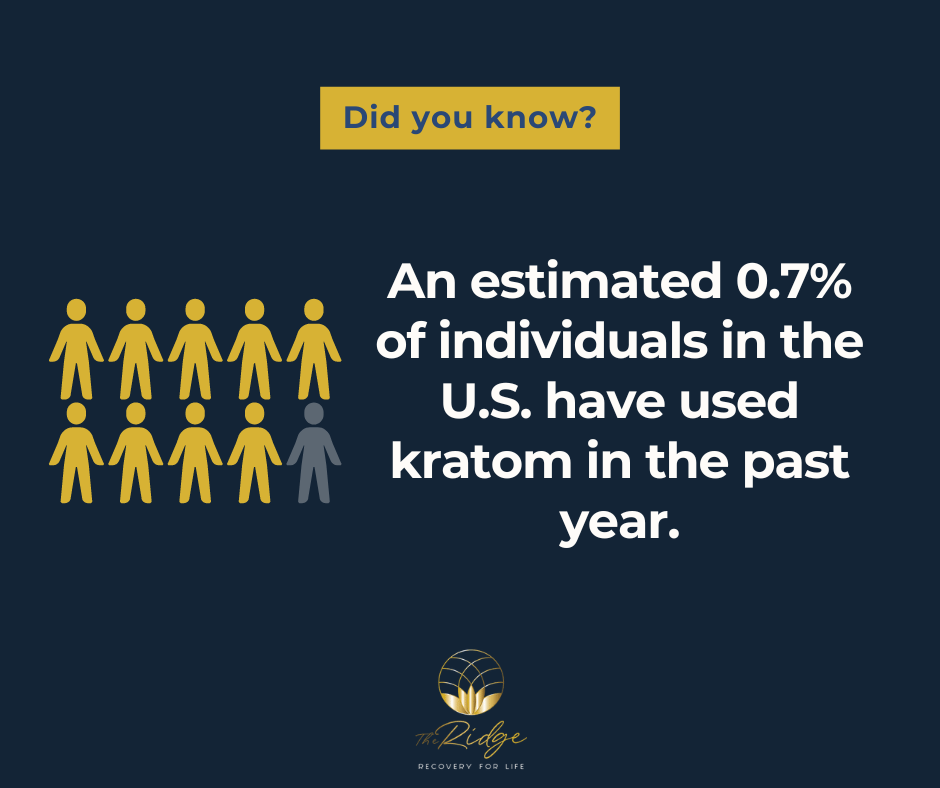
  • An estimated 0.7% of individuals in the U.S. have used kratom in the past year.
  • Adults under 50 years old are 2-3 times more likely to use kratom compared to adolescents.
  • Women are less likely to use kratom than men.
  • Compared to White individuals, Black and Hispanic individuals are less likely to use kratom.
  • The use of kratom is associated with certain drug use behaviors. For instance, those with a past-year diagnosis of prescription opioid use disorder are more likely to use kratom. The same applies to those reporting past-year cannabis use, both with and without use disorder, and past-year cocaine use without disorder.
  • The use of kratom is less common among individuals with no past-year drug use, including alcohol, cannabis, cocaine, methamphetamine, tranquilizers/sedatives, prescription stimulants, prescription opioids, and heroin.
  • There is no significant correlation between kratom use and education level, annual family income, major depressive episode, serious mental illness, or past-year injection drug use.

Why It’s Concerning that Kratom is Legal In Ohio

One of the main concerns is that kratom is an addicting substance, causing users to experience cravings for it and withdrawal symptoms when they stop taking the drug.

Kratom is a substance that can act like both a stimulant and an opioid. Its main compounds have the ability to interact with opioid receptors in the brain, sedating the individual, decreasing pain, and increasing pleasure. These compounds also have the potential to react with other brain receptors to produce stimulant effects. Usually, when taken in small amounts, the individual feels the stimulant effects. When taken in large doses, the user feels the sedative effects.

Side Effects of Kratom

According to the National Institute on Drug Abuse, reported health effects of kratom use include:
-Nausea
-Itching
-Sweating
-Dry mouth
-Constipation
-Loss of appetite
-Increased urination
-Insomnia
-Respiratory depression
-Weight loss
-Skin darkening
-Seizures
-Hallucinations
-Hepatitis
-Psychosis

Synonyms For Kratom

Other names for Kratom include:
-Biak
-Ketum
-Kakuam
-Ithang
-Thom

FDA Warnings About Kratom Use

  • In a document stating information about kratom use and overdose, the Centers for Disease Control and Prevention (CDC) reported that between 2010 and 2015, calls to poison centers associated with kratom use increased from 26 in 2010 to 263 in 2015, and more than 40% of the calls to the poison centers were serious or life-threatening cases.
  • According to the Food and Drug Administration kratom use has been connected to at least 44 deaths.

The Food and Drug Administration (FDA) began issuing a series of warnings about kratom in 2017. According to a press release last year:

“Over the past several years, a botanical substance known as kratom has raised significant concerns given its increasing prevalence and potential safety risks. Today, the agency issued a public health advisory related to the FDA’s mounting concerns regarding risks associated with the use of kratom.

The FDA knows people are using kratom to treat conditions like pain, anxiety, and depression, which are serious medical conditions that require proper diagnosis and oversight from a licensed health care provider. We also know that this substance is being actively marketed and distributed for these purposes. Importantly, evidence shows that kratom has similar effects to narcotics like opioids, and carries similar risks of abuse, addiction and in some cases, death. Thus, it’s not surprising that often kratom is taken recreationally by users for its euphoric effects. At a time when we have hit a critical point in the opioid epidemic, the increasing use of kratom as an alternative or adjunct to opioid use is extremely concerning.”

Is Kratom Addictive?

One of the main concerns is that kratom is an addicting substance, causing users to experience cravings for it and withdrawal symptoms when they stop taking the drug. Withdrawal symptoms of kratom include:

  • Muscle aches
  • Insomnia
  • Irritability
  • Hostility
  • Aggression
  • Emotional changes
  • A runny nose
  • Jerky movements

The fact that kratom itself is addicting is interesting because it is often marketed as a treatment option for withdrawal symptoms for opioids and other substances. According to the FDA, there is no evidence that kratom is effective in treating withdrawal symptoms, and in fact, the only thing it seems to do is replace one addictive substance with another. What is more, there are no known treatments for kratom addiction since this substance is so new in our culture.

“It’s very troubling to the FDA that patients believe they can use kratom to treat opioid withdrawal symptoms. The FDA is devoted to expanding the development and use of medical therapy to assist in the treatment of opioid use disorder. However, an important part of our commitment to this effort means making sure patients have access to treatments that are proven to be safe and effective. There is no reliable evidence to support the use of kratom as a treatment for opioid use disorder. Patients addicted to opioids are using kratom without dependable instructions for use and more importantly, without consultation with a licensed health care provider about the product’s dangers, potential side effects or interactions with other drugs.”

Kratom Advocates

However, not everyone believes the sale and use of kratom should be outlawed. Groups like the American Kratom Association have been promoting this substance and its health benefits for years. According to these consumer groups, this herbal alternative helps during treatment for opioid addiction, by reducing cravings for other drugs and alcohol, although there is no scientific research to back those claims up. Kratom is also said to help relieve chronic pain and mental health problems like depression.

According to the American Kratom Association website, “nearly 5 million Americans safely use kratom as a part of their health and well-being regimen and have done so for decades. Kratom is regulated by the U.S. Food and Drug Administration (FDA) as a dietary ingredient/supplement, and people who use kratom do so for the same reasons as people who use dietary ingredients, supplements, and who drink coffee, tea, or other caffeinated beverages. Surveys show that kratom consumers are educated, middle-income, employed, and have health insurance – they are largely the soccer moms and dads of America.”

Advocates of kratom sale and use also claim that the main substances in kratom are impossible to overdose on. They state that nearly all of the reported deaths in 2016-2017 that were linked to kratom were not actually attributed to kratom alone, but to a combination of substances found in the individuals’ systems. Unfortunately, the role each substance plays in an overdose death is extremely difficult to determine, as substances react and interact with each other in different ways.

Legal Action Against Kratom

In the state of Ohio, kratom is being sold and used in many different areas, including bars, convenience stores, health stores, and gas stations. According to officials, it has caused problems including hallucinations, seizures, addiction, and overdose death. The Ohio Board of Pharmacy recently recommended that kratom is classified as a Schedule I controlled substance. This would put the substance in the same class as heroin, LSD, cocaine, and other illicit drugs. This recommendation follows on the heels of the U.S. Food and Drug Administration research, which has been considering similar measures, and dubs kratom as having a “high potential for abuse,” “no accepted medical use,” and lacking “accepted safety for use in treatment under medical supervision.”

Several other states and large cities have gone through with the kratom ban, including Alabama, Arkansas, Indiana, Rhode Island, Vermont, Wisconsin and the District of Columbia. Florida and New Jersey have proposed and then set aside similar bills until more is known about kratom’s health risks. Kratom use among soldiers is also forbidden by the army, and the FDA banned the import of this drug. The Drug Enforcement Administration has listed kratom as a “drug of concern” but not a controlled substance. Other areas of the county have not yet seen high incidences of the use of this drug, and many are waiting to see what further research shows and what other states do.

The Ohio Board of Pharmacy did not make their recommendation without a great deal of research and input by others. The board received and reviewed more than 6,000 emails about the proposed reclassification the past few months. One of the main concerns the board wanted to address was how buyers would know the content of the substance they were using since the drug is in essence unregulated. The substance becomes more dangerous and even deadly when combined with other drugs. “The bottom line is that there are some good, positive properties to it, but it’s pretty dangerous for society, in general, the way people use drugs,” said Brad Lander, clinical director of addiction medicine at Ohio State University’s Wexner Medical Center. “A lot of people probably could use it safely without a problem, but there are going to be a lot of people who are going to have a problem with it.”

The FDA recently took action against kratom products being imported into the US, by seizing hundreds of shipments of the substance and warning consumers about the dangers of this product. “In response to a request from the Drug Enforcement Administration (DEA), the FDA has conducted a comprehensive scientific and medical evaluation of two compounds found in kratom. Kratom is already a controlled substance in 16 countries, including two of its native countries of origin, Thailand and Malaysia, as well as Australia, Sweden, and Germany.”

Residents of Ohio will soon know what the future holds for kratom sellers. The ban will be revisited in upcoming sessions in 2019. Until then, individuals are being warned to learn the facts and to be careful about what they ingest, including substances labeled as supplements.

Be Careful Of New Substances

Our country has seen this same problem many times before. New drugs are constantly emerging, either being imported to the United States from other countries or being synthesized right here in our communities. Sometimes, as with kratom, the substance is naturally found in nature, which gives people a false sense of security. Unfortunately, not every natural substance is safe, and consumers need to be careful about what they use, where it comes from, and what it is mixed with. This is particularly true about products that are not regulated by the FDA, are called supplements, or are labeled as not for human consumption when they were clearly meant to be consumed.

It is important for parents to be aware of new drug trends so they can have conversations with their teens about the dangers of trying these substances. In general, any substance that is supposed to help someone feel good or experience a feeling of euphoria, even if it is legal, should be treated with caution. As in the case of kratom, countries that have witnessed the effects of this drug in the past have banned the substance, and possibly the only reason it is still legal in the United States is we simply don’t know enough about it.

Drug addiction is a serious disease, and prevention is important. Parents, schools, and community groups can all work together to educate the public about the dangers of new drug trends. For those already struggling with addiction, the best way to achieve sobriety is to enroll in a trusted treatment program, either a residential or outpatient rehab.

Is Kratom Legal In Ohio?

In August 2019 after receiving nearly 7,000 comments The Ohio Board of Pharmacy decided to put off naming Kratom as a schedule 1 substance – the same category as LSD and Heroin. For the time being Kratom remains legal in Ohio.

I Drink A Lot. Can I Just Quit Drinking Safely?

Can I Quit Drinking Safely?

Some people drink a lot. They often ask can I quit drinking safely? Some people decide they should quit drinking, as they understand that excessive drinking is not healthy. For people who drink to excess, one of the most difficult things to do is to make the decision to quit.

However, before someone decides to just quit drinking, it is important for them to understand that for some people, this can be dangerous, even life-threatening.

How Do You Know if it’s Safe to Just Quit Drinking Alcohol?

Well, it depends.

Most people that drink too much are not physically dependent upon alcohol. Alcohol-dependent individuals must drink every day. When they stop drinking for even one day, they suffer symptoms of alcohol withdrawal.

Common Symptoms of Alcohol Withdrawal

  • hand tremors
  • anxiety
  • sweating
  • nervousness
  • a racing heart
  • body twitches
  • seizures

What Are The Risks Of Stopping Drinking Cold Turkey?

Sometimes, symptoms of alcohol withdrawal escalate, leading to “DTs”, or delirium tremens, a life-threatening syndrome that can cause cardiovascular and respiratory failure. Other symptoms of DTs might include confusion, fever, and hallucinations.

In addition, someone who stops drinking abruptly can also suffer seizures, with or without DTs.

If a person is able to stop drinking for 24 hours and they have no withdrawal symptoms such as hand tremors, feeling a lot of anxiety, sweating, nervousness, a racing heart, and body twitches, generally there is no danger of continuing not to drink and medical care with medication is not required.

However, if a person experiences the above-mentioned withdrawal symptoms while they are actively cutting down on their drinking, or within 24 hours of quitting drinking, then it is important to seek medical attention.

How To Determine If You Are At A High-Risk Level For Alcohol Withdrawal?

People at high risk of medical complications coming off alcohol are:

  1. Those that have a history of DTs.
  2. Those with a history of seizures.
  3. Those people with a history of chronic, heavy, daily drinking (usually for weeks or months without a day off).
  4. Those that have to drink to start the day because of hand tremors or feeling ill.

It is difficult to quantify if there is a specific amount of alcohol consumed that places someone at risk for alcohol withdrawal syndrome and/ or DTs.

While some people can drink large amounts (say a case of beer a day), not everyone who drinks this much has alcohol withdrawal since the ability to withstand alcohol’s physical effects can vary from person to person.

As a general rule (no medical studies to confirm), if a person drinks 13 standard drinks a day for a month, then they have about a 50% chance of having major life-threatening withdrawals.

In instances where a person develops alcohol withdrawal, it is recommended that the person seeks medical attention to assess and advise treatment. Alcohol withdrawal can be lethal. When alcohol withdrawal is medically managed, however, the fatality rate is extremely low.

When we assess a patient with alcohol withdrawal, we check vital signs, a breathalyzer, obtain a brief history and physical and do an assessment called a “CIWA-Ar”, or Clinical Assessment for Alcohol Withdrawal, Revised. This 5-10 step assessment is simple and can predict if someone is at risk for a mild, moderate, or severe alcohol withdrawal syndrome.

When we identify a patient with alcohol withdrawal symptoms, we determine the severity of the withdrawal risk and then place the patient in a level of care appropriate for that particular patient. Most of the time, a patient can be treated with medication as an outpatient; rarely, the patient requires hospitalization.

FAQs About Quitting Alcohol

What happens when you stop drinking alcohol?

When you stop drinking, your body undergoes a detoxification process, which can lead to physical and emotional changes. These may include improved sleep, better digestion, weight loss, and increased energy levels. However, withdrawal symptoms may also occur, such as irritability, anxiety, and alcohol cravings.

How long after quitting alcohol can I expect to see improvements in my health?

Health improvements may begin as soon as a few hours after quitting alcohol, but noticeable changes typically occur within weeks to months. For example, blood pressure can start to normalize within a few days, while liver function may improve after a month of abstinence.

What can I expect after 3 months of no alcohol?

After 3 months without alcohol, you may experience better mental clarity, improved liver function, and reduced inflammation. You may also notice weight loss and a decrease in alcohol cravings.

What changes can I expect after 6 days of no alcohol?

After 6 days without alcohol, you may notice improved sleep quality, increased energy, and a decrease in blood pressure. You may also experience some physical withdrawal symptoms as your body detoxifies.

How can I wean off alcohol safely?

To wean off alcohol safely, it is recommended to consult with a healthcare professional, who can help you develop a personalized plan. Gradually reducing your alcohol intake over time can help minimize withdrawal symptoms and prevent severe alcohol withdrawal.

Can I quit drinking on my own?

While it is possible to quit drinking on your own, it is essential to consider your individual circumstances and the severity of your addiction. In some cases, professional help may be necessary, especially if you experience severe withdrawal symptoms.

What are the benefits of 10 days without alcohol?

After 10 days of no alcohol, you may experience improved sleep, increased energy levels, better digestion, and a decrease in blood pressure. Your liver function may also begin to improve.

What are some severe withdrawal symptoms I should be aware of?

Severe alcohol withdrawal symptoms can include delirium tremens, hallucinations, seizures, and extreme agitation. If you experience these or other severe symptoms, it is crucial to seek medical help immediately.

How does quitting alcohol affect blood pressure?

Quitting alcohol can help lower blood pressure in many individuals. Alcohol can cause a temporary increase in blood pressure, so abstaining can lead to a decrease in blood pressure levels over time.

What are some common physical withdrawal symptoms from alcohol?

Physical alcohol withdrawal symptoms can include shaking, sweating, nausea, vomiting, headaches, and an increased heart rate. In severe cases, withdrawal symptoms may include seizures and hallucinations.

How can I manage alcohol cravings during withdrawal?

Managing alcohol cravings during withdrawal can involve a combination of strategies, such as distraction techniques, medication, support from friends and family, engaging in healthy activities, and seeking professional help if necessary.

What specific strategies can be used to cope with the psychological challenges of quitting alcohol, such as dealing with triggers and social pressures?

Overcoming psychological challenges when quitting alcohol relies on identifying triggers, employing mindfulness and cognitive-behavioral strategies, and leveraging a strong support network and professional therapy to navigate cravings, emotional responses, and social pressures effectively.

Are there any alternative therapies or support systems, aside from medical intervention and support groups like Alcoholics Anonymous, that can aid in the recovery process?

Incorporating holistic practices like yoga, meditation, and acupuncture, alongside engaging with online support communities, offers stress reduction, mental health improvement, and a sense of belonging for individuals recovering from alcohol dependence, providing accessible and anonymous alternatives to traditional face-to-face support groups.

How does someone go back into social settings or relationships where alcohol is present after deciding to quit?

Reintegrating into social settings with alcohol after quitting involves communicating needs and boundaries, planning with non-alcoholic options, engaging in sober-supportive activities, and building friendships, which, over time, enhances comfort in sobriety and enriches social interactions and relationships.

Final thoughts On Quitting Alcohol Consumption Abruptly

If you have an alcohol use disorder and wish to stop drinking, it’s a commendable step in the right direction. Integrating behavioral healthcare with the detoxification process can increase the chances of successful, long-term sobriety, as it addresses the roots of alcohol addiction and equips individuals with strategies to maintain their new lifestyle. It’s not just about “quitting alcohol”; it’s about constructing a new, healthier context for one’s life.

When you decide to stop drinking alcohol, your body experiences a series of changes that can occur over different time frames, ranging from the first 24 hours sober to 8 months or longer without alcohol. This process is often referred to as alcohol withdrawal, and it can involve both physical and psychological symptoms. Here is a general timeline:

  1. 24 hours sober: Within the first 24 hours of being sober, you might start to experience withdrawal symptoms. These can include anxiety, insomnia, nausea, or abdominal pain. While this might be a difficult time, these initial symptoms are usually the body’s way of adjusting to the absence of alcohol.
  2. 8 days no alcohol: After a week or so of no drinking, physical symptoms might start to subside, but psychological symptoms like mood swings and cravings might still persist. However, it’s important to note that these experiences can vary greatly from person to person. Some may see improvements in high blood pressure, sleep patterns, and general physical health.
  3. 24 days sober from alcohol: After three weeks to a month of not drinking, your body continues to heal. Liver function begins to improve, energy levels might increase, and you could also experience a clearer complexion as the body detoxifies. Psychological symptoms, such as anxiety or depression, might start to lessen, although occasional cravings may still be present.
  4. 8 months no alcohol: With prolonged abstinence, the changes become even more significant. There’s often a noticeable improvement in overall mental health, with fewer mood swings and lower levels of anxiety or depression. Many individuals report a drastic improvement in their quality of life. Prolonged abstinence can also help manage high blood pressure, as chronic alcohol abuse is a known risk factor for developing hypertension.

While this timeline might make the process seem straightforward, it’s important to remember that quitting drinking, especially for those with a heavy or prolonged use history, should ideally be done under medical supervision due to the risk of severe withdrawal symptoms, like delirium tremens (DTs), which can be life-threatening.

For those asking “how to quit drinking without rehab” or “how to stop drinking beer everyday”, it’s recommended to seek support through methods such as counseling, support groups like Alcoholics Anonymous, or through medical professionals who can provide guidance and resources. In some cases, medications may be prescribed to help manage withdrawal symptoms and reduce cravings. Lifestyle changes, such as developing new hobbies, maintaining a healthy diet, and getting regular exercise, can also be beneficial.

The journey to sobriety is personal and unique to each individual, but the health benefits that come with quitting drinking are undeniable. Always consult with a healthcare professional before making major changes to your alcohol consumption. The Ridge Ohio specializes in alcohol rehab and inpatient care facility; we are always happy to help and answer any questions that you may have.

 You Might Also Be Interested In

Medication For Alcohol Use Disorder

How To Get Rid of The Alcohol Smell

Treatment Plan For Alcohol Use Disorder

What Are The Different Types of Drinkers?

How Genetics Impact Alcoholism

Why Is Alcohol Use Disorder A Chronic Disease?


References:

  1. HAMS: Harm Reduction for Alcohol -The Odds Of Going Through Alcohol Withdrawal https://hams.cc/odds/ Information Collected 2/1/2023
  2. CIWA-Ar for Alcohol Withdrawal

    The CIWA-Ar objectifies severity of alcohol withdrawal.. Edward M. Sellers https://www.mdcalc.com/ciwa-ar-alcohol-withdrawal Information Collected 2/1/2023
  3. Sullivan JT, Sykora K, Schneiderman J, Naranjo CA, Sellers EM. Assessment of alcohol withdrawal: the revised clinical institute withdrawal assessment for alcohol scale (CIWA-Ar). Br J Addict. 1989 Nov;84(11):1353-7. PubMed PMID: 2597811.https://pubmed.ncbi.nlm.nih.gov/2597811/

Do I Need to go to Ohio Rehab Centers? 6 Signs

When does recreational drug or alcohol use become a problem? If you use alcohol or drugs regularly, it may be difficult to tell. Have you searched for “Ohio rehab centers” to see if you should admit yourself into a rehab center, but have backed out because you may be ashamed to accept that you have a problem? You might even talk yourself out of it, telling yourself your drug or alcohol usage isn’t “that bad” and you’re “doing just fine”. You still go to work, and keep up with responsibilities, even if you aren’t as on top of things as you used to be. You say to yourself, “everything is fine, isn’t it?”

However, you might have started to notice the signs everything isn’t fine. Are you blowing off commitments to use alcohol or drugs? Do you feel like you can’t get through the day without using? These are some examples you may need to look into Ohio rehab centers. If you’ve been wondering if rehab is right for you, look at our list below. If you answer ‘yes’ to any of these questions, you may need to check out the admissions process for Ohio rehab centers.

Do You Use Alcohol or Drugs to Self-Medicate for Mental Health Problems?

Substance Use Disorder (SUD) and Alcohol Use Disorder (AUD) commonly co-occur with other mental health issues. A leading hypothesis is people with undiagnosed or untreated mental health disorders self-medicate with alcohol or substances to alleviate their symptoms. Alcohol or drugs can provide feelings of calm or numbness to those suffering from anxiety or depression. The substances temporarily take away the pain of the mental health condition, but the pain will always return. Desperate, one may continue to use in higher quantities or more frequently to cope with the untreated condition. They start to become dependent on the substance to function, and the cycle becomes more intense.

If you’ve found yourself often feeling sad, hopeless, depressed, or anxious, and have turned to alcohol or other substances to alleviate those feelings, you may need to check into rehab. Ohio rehab centers have specially trained staff to treat co-occurring disorders along with SUD and AUD so you can get help for your mental illness and drug dependency.

Do You go to Extreme Lengths to Use Alcohol or Drugs?

Do any of these sound like you?

  • You attend parties solely because you know there will be alcohol or drug usage.
  • You spend more money than you should on alcohol or drugs. You may find yourself going into debt or selling your possessions to purchase more of your substance of choice.
  • You avoid social events or seeing family or friends so you can go home to drink or use drugs.
  • You structure your day around when you can use alcohol or drugs.
  • You obsess over whether you have enough of your drug of choice.

If any of these bullet points describe your usage, this may be a sign you need to seek rehab. Spending money recklessly, seeking out opportunities to use, and avoiding situations where you can’t use are all signs of active addiction.

Do You Lie About Your Usage to Friends and Family?

When asked about your alcohol or drug intake, do you find yourself telling lies? Do you tell your partner or friends that you only had one beer, when you have consumed several? Do you hide drinks or drugs in secret places in your home to avoid being questioned? Do you know that your loved ones wouldn’t approve of your usage habits? If lying, deceit, and sneaking around have become part of your daily routine, you may need to seek rehab.

Do You Experience Withdrawal Symptoms if You Go Too Long Without Using?

If you haven’t had a drink in a few days, do you feel anxious, nauseous, or sweaty? Do you experience headaches, insomnia, or hallucinations? If so, you may be experiencing withdrawal symptoms.

When you use alcohol or drugs regularly, your body becomes used to having the substance in your system. This is called physical dependency. When your body goes without the substance for a period of time, it can experience unpleasant withdrawal symptoms as your body becomes used to functioning without the substance. Withdrawal symptoms can range from mild to severe, depending on what substance you were using, how much of it you were using, and how regularly you were using it.

If you experience withdrawal after just a few days without alcohol or drugs, then it may be time to seek out Ohio rehab centers for medical detox. In a rehab center, medical professionals will monitor your withdrawal symptoms and help alleviate them safely.

Do Your Friends and Family Express Concern About Your Drug Usage?

While you may believe that your drug or alcohol usage is under control, you may not be holding things together as well as you think. If you’ve been told by your partner, family, or friends that they’re concerned about your drinking or drug use, it’s probably time to listen to them.

They may notice changes in your behavior that you thought were hidden or weren’t a big deal. Their concern might seem like an attack, or you may feel as if they’re telling you what to do. It can be hard to push past feeling defensive or guilty when your loved ones point out your drug or alcohol usage. Remember that these are the people who care about you, and they want to see that you’re happy, healthy, and successful. Try to listen to them. If it has been brought up repeatedly by multiple people in your life, it may be time to seek professional help from Ohio rehab centers.

You Meet the DSM-V Criteria for Addiction

Finally, the DSM-V has eleven criteria for substance use disorders. If you meet 2 or more of the following criteria within a 12-month period, you can be diagnosed with substance use disorder.

  • You have used the substance in ways that are hazardous to yourself or others. (Overdosed, driven while under the influence, blacked out, etc.)
  • Substance use has caused social or interpersonal problems in relationships.
  • You’ve failed to meet responsibilities at work, school, or at home because of substance use.
  • You experience withdrawal symptoms when you stop using the substance.
  • You’ve built up a tolerance to the substance, so you have to increase quantities to get the same effects.
  • You’ve started to use larger amounts of the substance or use it for longer periods of time.
  • You’ve repeatedly attempted to cut back or quit, but you haven’t been successful.
  • You spend a large amount of your time using the substance.
  • Substance usage has led to physical or psychological problems.
  • You’ve skipped activities or stopped doing things you used to love so you could use the substance.
  • You have experienced cravings for the substance.

Meeting two or three of these criteria is classified as a mild substance use disorder. Four to five are classified as moderate, and six or more are classified as severe substance use disorder.

Get Help at Ohio Rehab Centers Like The Ridge

You may be ashamed to admit to yourself that you have a problem with alcohol or drug use. It can feel overwhelming and intimidating to check yourself into rehab. However, you don’t need to face recovery alone. The caring addiction professionals at The Ridge can administer an addiction assessment and create a treatment plan for you. Take the first step in recovery and contact The Ridge today.

References:

https://www.healthdirect.gov.au/addiction-withdrawal-symptoms

https://www.verywellmind.com/what-are-the-official-criteria-for-addiction-22493

How Does Rehab Work? What to Expect at Cincinnati Rehab Centers

Drug and alcohol rehab is the process of going through medical detox followed by residential treatment and then gradually transitioning to therapies that take place in an outpatient setting. If you have a substance use disorder, there are many different types of rehabs and therapies that are backed by clinical and medical studies and have been proven to be successful.

Making the decision to enter drug or alcohol rehab isn’t an easy one. However, seeking treatment from Cincinnati rehab centers is the first step in your addiction recovery journey. In the long run, what you learn in rehab will be beneficial to getting your life back on track. It’s okay to be intimidated or apprehensive, but this step is a necessary one.

What Happens At The Beginning Of The Rehab Process?

If you’re hesitant or wondering what you can expect from addiction rehab, this blog will serve as a general guide. In it, we’ll discuss the intake and evaluation process of residential rehab treatment, the day-to-day activities you might encounter, and what post-treatment looks like. Your individual treatment at Cincinnati rehab centers may vary, but this list is a good first overview of what to expect in rehab.

Intake and Evaluation

Upon arrival at the rehab facility, you’ll be taken through the intake process. This process involves signing paperwork that was not completed in the admissions process, undergoing inspections for prohibited items, and receiving an evaluation.

Paperwork can include insurance forms and questionnaires on basic information for record-keeping purposes. Much of this paperwork is done during the admissions process prior to your arrival at the rehab facility, but you may need to complete more upon arrival. You may also be screened for eligibility to ensure that your participation in the treatment adheres to federal or state laws.

Next, you will likely undergo an evaluation to determine your needs during treatment. You will be evaluated by a team including addictionologist and/or psychiatrists, and other addiction treatment professionals. During this initial interview, you will be screened for co-occurring disorders, and likely receive a diagnosis of alcohol use disorder or substance use disorder. Specific diagnostic criteria and treatment options will vary based on your specific situation, but the general process is similar regardless of which rehab facility you choose.

Finally, if you have recently been under the influence of alcohol or substances upon admission, you will be transported to detox. Detox is a medical process that is overseen by the rehab facility staff and medical personnel. During detox, your body will flush out the toxic substances left behind by drug and alcohol abuse. Depending on the specific substances present in your system, their quantities, and the length of time since the last usage, withdrawal symptoms may vary. This process can be unpleasant and painful, even dangerous if not conducted carefully. The experienced staff of the rehab center will be present throughout the detox process to help you manage the symptoms while your body begins the healing process.

What Activities Take Place During Rehab?

After the detox process, you’ll start integrating into daily activities at your residential treatment facility. The length of your stay depends on your specific needs, but the most common options are 30-day, 60-day, and 90-day programs.

Throughout each day, you’ll take part in several activities that focus on healthy, sober living, and healing the underlying causes of your addiction. Programs vary by location and your treatment plan, but in general, these are some components of most residential treatment programs.

Meals During Rehab

If you’ve been suffering from substance or alcohol use disorder for a long time, chances are you haven’t been getting proper nutrition. You may have had a reduced appetite or prioritized the substance over meals. As part of residential treatment at Cincinnati rehab centers, patients can expect to receive three nutritionally balanced meals per day, as well as healthy snacks. Some treatment centers will also make nutritional education part of their program. Residents are taught how to prepare and plan healthy meals, so they can keep up with their nutritional demands once they are discharged from the program.

As your body starts to receive the nutrients it needs, you’ll start to feel better, and have more energy for other activities and therapies. Proper nutrition is the first building block of a life in recovery.

Therapy & Treatment

A large portion of your day in residential treatment includes attending various therapies that will help treat the root cause of your addiction. Therapy is offered both individually and in groups and may include your family members or other loved ones later in your treatment. Therapy is offered by licensed mental health professionals and may include several techniques, such as:

Your therapist and other professionals at the residential treatment facility will select which treatment modalities are best for your needs. Therapy is offered several times per day or scheduled throughout the week. You may also take part in other alternative therapies that are proven to promote whole-person wellness, such as:

Recreational And Excercise Therapy

When you’re not participating in therapy exercises, you may have some unstructured free time. Most Cincinnati rehab centers will have various recreational activities you can participate in during downtime. These activities also promote whole-person wellness and build both physical and mental strength. Activities can include:

  • Yoga
  • Athletics, such as basketball, tennis, soccer, etc.
  • Running or Walking
  • Martial Arts
  • Swimming
  • Horseback Riding
  • Dancing or other Aerobics

The goal of recreational activities is to help you create habits you can carry over into a sober lifestyle. These activities and habits replace the cycle of addiction and are good for your body.

What Happens After Rehab?

Once you have completed your treatment at the residential treatment facility, you are ready to graduate into a recovery plan. Many Cincinnati rehab centers will have a specific process you will follow upon your discharge from their program. Procedures can include attending meetings with counselors and other groups, attending individual or group therapy on a regular schedule, or continuing with outpatient treatment methods as needed. Your family and loved ones may also be part of your recovery strategies after your rehab stay, to help keep you on track and support your new sober lifestyle.

Making changes to prevent relapse can be difficult, but the rehab aftercare program will help give you the strategies and support you need to succeed in recovery.

You Don’t Have to Face Treatment Alone – The Ridge Cincinnati Rehab Centers

If you have been struggling with addiction for some time, you don’t have to suffer alone. Being admitted to Cincinnati rehab centers such as The Ridge is the best first step you can take to take back your life from addiction. The Ridge’s expert staff is always here to help you take that first step. Learn about our admissions process or get in touch with us today, and begin your life in recovery.